
Is our modern infrastructure essentially a digital house of cards waiting for a stiff breeze—or in this case, a heatwave—to knock it over? We like to think of our power grids and transportation networks as hardened, industrial-grade systems, but the reality currently unfolding across Europe suggests they are more like a laptop running a high-end game without a cooling fan.
The real story here isn't just that it’s getting hot—it’s that the continent’s legacy infrastructure is struggling to keep pace with a climate that no longer follows historical norms. As reported by the BBC, France recently recorded its hottest June day since tracking began in 1947, with an average temperature of 29.8C (85.54F). This isn't just a weather anomaly; it’s a systemic stress test. In France, the heat triggered a significant failure in the power grid, with Al Jazeera noting that while initial reports cited 68,000 households losing electricity in the Finistère region, the broader network actually saw up to 106,000 clients lose power by late Tuesday.
The impact on ordinary citizens is immediate and visceral. In Paris, the Louvre has been forced to shift its operational hours, closing two hours early to prevent the historic building from becoming a heat trap for visitors. Meanwhile, across the English Channel, the UK Met Office has issued a rare red extreme heat warning—only the second of its kind in the nation's history—covering an area from London to Swansea and Birmingham. The consequences are far from abstract: train operators have canceled services to protect tracks, and schools are closing early, forcing families to scramble for childcare.
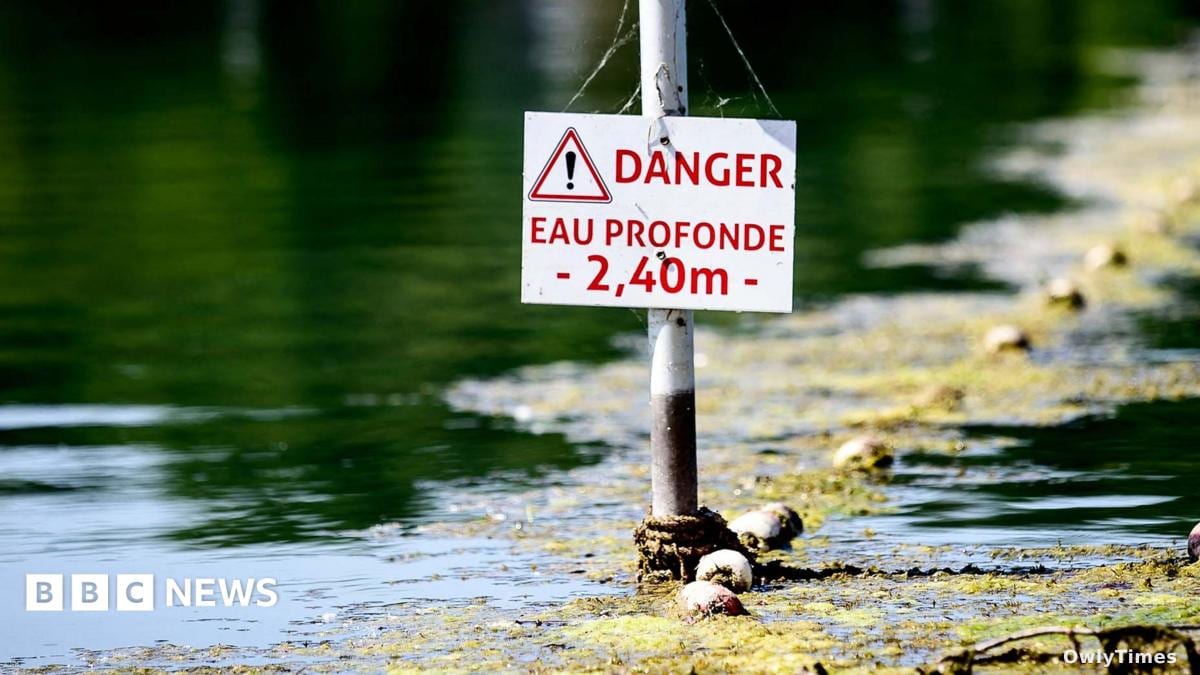
There is a grim disparity in how different outlets are tracking the human cost of this event. The BBC and CBS News both report that 40 people have drowned in heatwave-related incidents in France since last Thursday, a tragic reminder that people often seek relief in ways that their local environment—or their own swimming ability—cannot safely support. The Guardian adds a layer of economic and labor-focused detail, highlighting the plight of outdoor workers like postal carriers in Paris and construction crews in London who remain on the front lines while temperatures push toward 40C.
While Spain is seeing some initial cooling, the heat is clearly migrating eastward. Al Jazeera reports that Poland is bracing for temperatures that could potentially shatter its 1921 record of 40.2C, while Hungary is escalating its national alert status to the maximum level. This ripple effect shows that the "heat dome" isn't just a localized problem; it is a continental-scale event that exposes the fragility of cities designed for a cooler, more predictable past.
As we look ahead, the immediate signal to watch is the end of the week. While the Met Office suggests conditions in the UK may begin to ease by Friday, that relief will likely arrive in the form of thunderstorms, bringing a new, secondary set of risks including flash flooding and large hail. Whether the power grids and transit systems can withstand the transition from extreme heat to extreme weather remains the next major hurdle for European authorities.