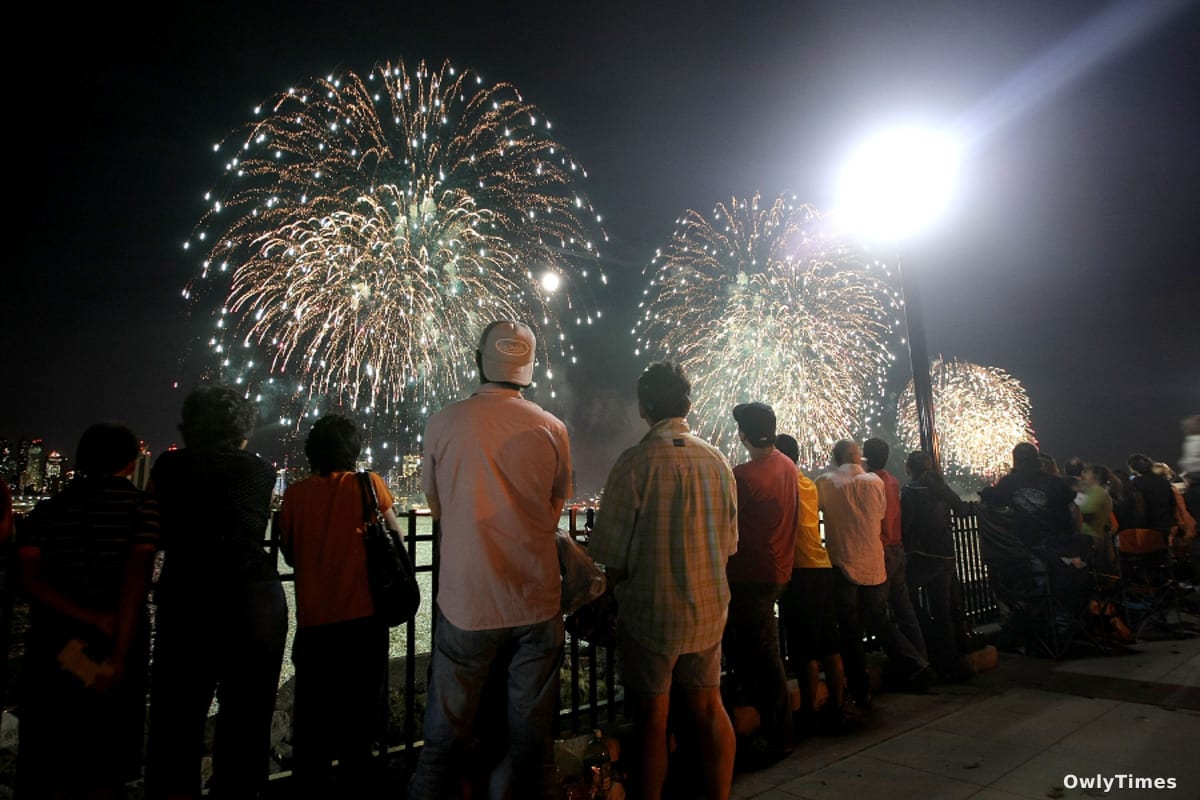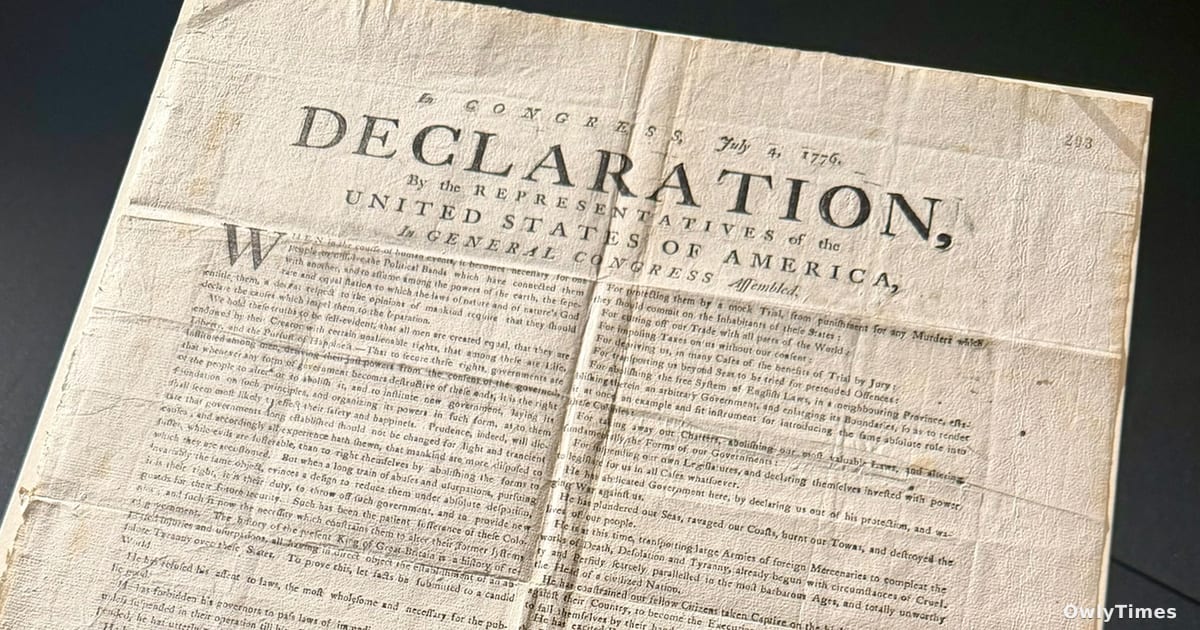

As the United States celebrates its 250th anniversary this weekend, an intensifying heat wave has disrupted Independence Day festivities across the nation, forcing organizers to balance long-planned commemorative events against significant public health risks. While major celebrations remain scheduled in Washington, D.C., and elsewhere, the extreme weather has already forced the closure of events and triggered a surge in medical responses.
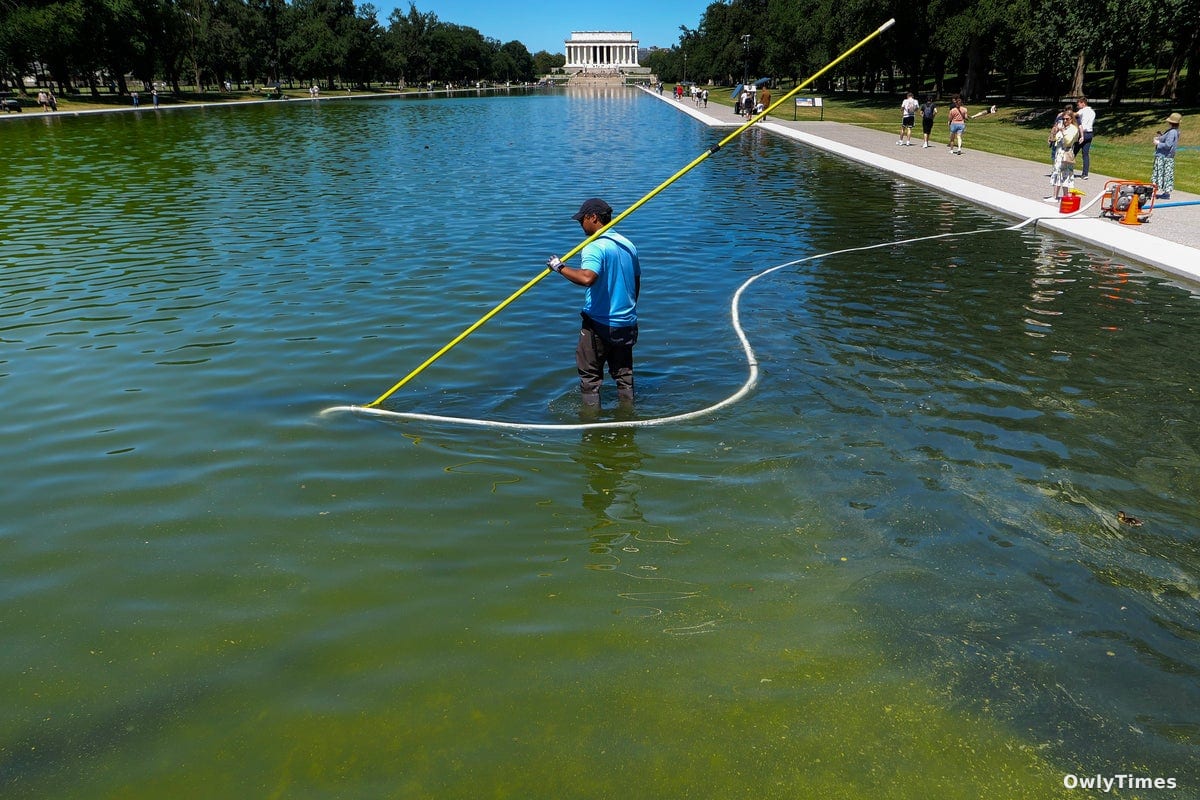
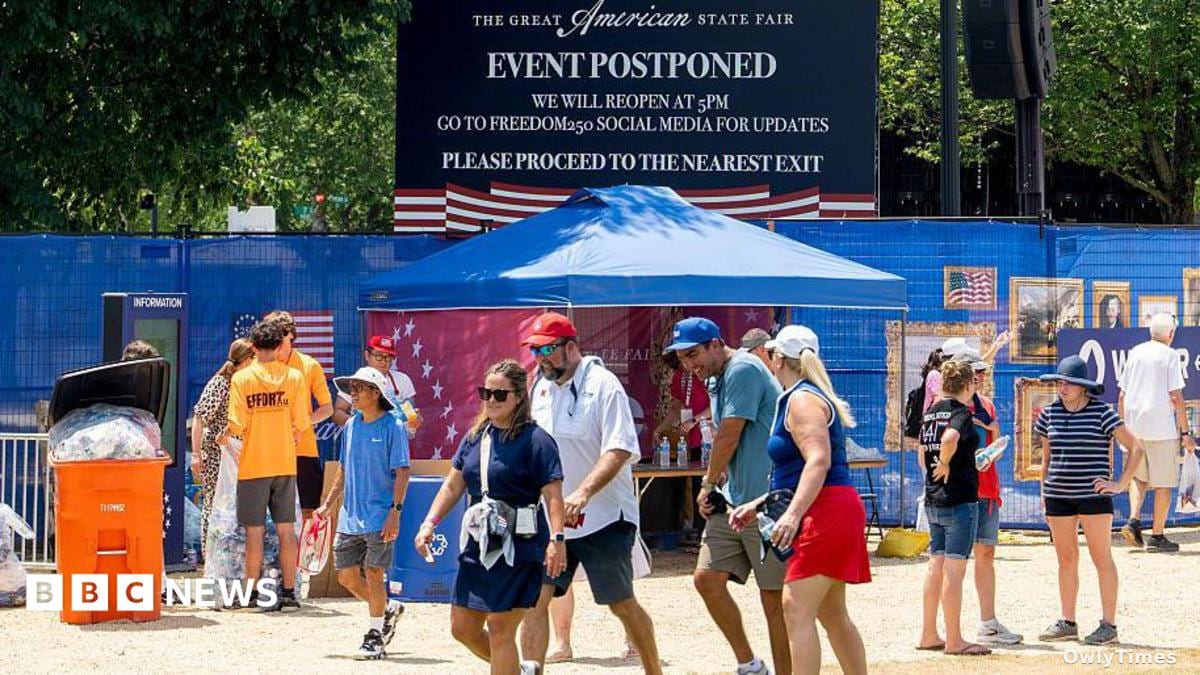
The most acute impacts of this weather pattern have been observed at the "Great American State Fair" on the National Mall in Washington, D.C. According to the BBC, the fair was forced to close for several hours on Friday due to "record-breaking temperatures," only reopening at 17:00 local time. The health toll of the heat has been notable; while the BBC reports that 11 people were transported by ambulance from the fair, The Independent offers a more detailed breakdown, citing CNN reports that seven of those individuals required "advanced life support." In total, 44 people sought medical care at the fairgrounds on Friday.
These incidents highlight the challenge of maintaining large-scale public gatherings during periods of extreme heat, which climate scientists note are becoming more frequent and intense due to human-induced climate change. The BBC notes that the world has warmed by approximately 1.1C since the industrial era began, a factor that complicates the logistical planning for events that attract large crowds. In Washington, security measures for these "national special security events" are already at their highest designation, according to CBS News, involving thousands of law enforcement professionals and nearly 5,000 National Guard troops stationed behind miles of fencing to ensure safety.
It is critical to distinguish between official security protocols and the impact of the climate conditions on the ground. Headlines often conflate the general security measures—which include airport-like screening and restricted access to items like coolers and chairs—with the reactive closures caused by the heat. While the BBC confirms that A Capitol Fourth concert entry was delayed due to the heat, CBS News emphasizes that officials have reported no specific, credible threats to the celebrations themselves, focusing the operational focus on crowd management and potential rapid evacuation needs.
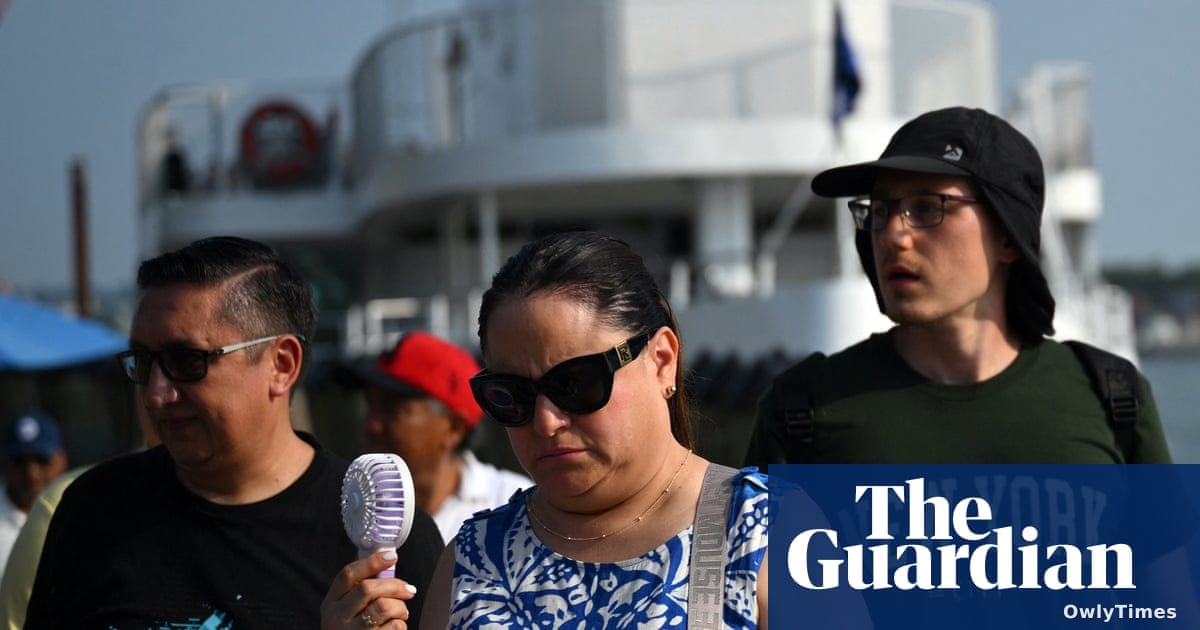
Limitations to consider in these reports include the variability of weather forecasting and the localized nature of heat stress. While New York City experienced its hottest day since 2012 on Thursday, reaching 100F (38C), the BBC notes that relief may arrive in some central areas by Saturday, even as conditions remain dangerous in the east. Furthermore, the economic context of the holiday remains strained, with MarketWatch reporting that beef prices have risen 22% since January 2025, adding a financial burden to the festivities that exists independently of the weather.
Next steps for research and public monitoring will focus on the effectiveness of heat mitigation strategies at outdoor venues. As the heat wave is expected to intensify in Virginia, the Carolinas, and the southeast by Sunday before moving into western regions of the U.S. and Canada, health authorities will be closely tracking hospital admission rates for heat-related illnesses. The data gathered from these events will be vital for future large-scale event planning, as organizers must reconcile the desire for traditional outdoor gatherings with the reality of increasingly volatile climate conditions.