
The Unspoken Timeline: Why Fertility Awareness Needs to Begin in Your Twenties
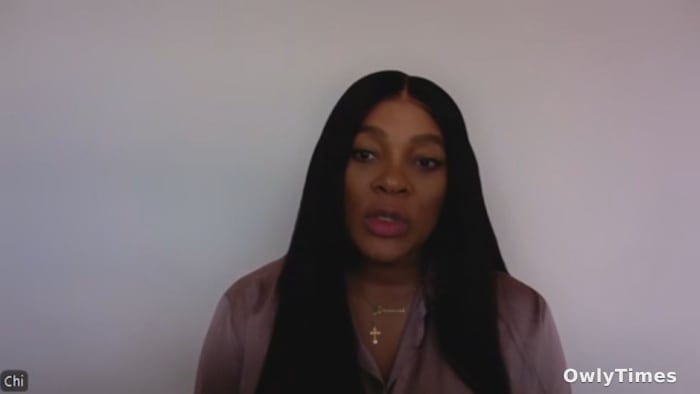
The narrative around reproductive health often positions fertility as a concern for those actively trying to conceive, typically in the mid-thirties and beyond. But a growing chorus of voices, including that of Dr. Chi Johnson, a family medicine physician in Houston, is challenging this assumption, arguing that proactive fertility awareness should begin much earlier – even in a woman’s twenties. This isn’t about prematurely deciding whether or not to have children; it’s about understanding a fundamental aspect of biological reality and empowering individuals with knowledge to navigate their reproductive futures, particularly in light of rising rates of conditions impacting fertility. The urgency isn’t simply about maximizing chances of conception later, but about recognizing and addressing potential issues before they become crises.
Reporting from click2houston.com informs this analysis.
Dr. Johnson’s personal experience, shared at the Rebuilding HER conference, powerfully illustrates this point. Experiencing symptoms like hot flashes, night sweats, and profound fatigue in her early thirties, she initially encountered dismissal from healthcare providers. Standard bloodwork didn’t immediately reveal a problem, and she felt her concerns were minimized. It wasn’t until she aggressively advocated for a second opinion and more specialized testing that she received a diagnosis of primary ovarian insufficiency (POI) – a condition indicating a significantly diminished ovarian reserve, so low it was initially considered undetectable by lab results. This diagnosis carried with it the stark reality that her chances of conceiving naturally were less than 2%, a revelation she described as “devastating.” The case isn’t isolated; POI affects an estimated 1-4% of women, and often goes undiagnosed for years due to its subtle early symptoms and a tendency to attribute them to stress or other factors.
The significance of Dr. Johnson’s story extends beyond her individual experience. She highlights a critical disparity in healthcare access and advocacy, particularly for Black women. She explicitly encourages women, “especially Black women, to step up and make them listen,” and to seek alternative care if their concerns are not taken seriously. This isn’t merely anecdotal; studies consistently demonstrate racial and ethnic disparities in reproductive healthcare, with Black women facing higher rates of infertility and poorer outcomes. The systemic issue isn’t simply a lack of awareness, but a documented pattern of medical bias and a failure to adequately address the unique health needs of diverse populations. The call to “own your health” isn’t just a motivational slogan, but a necessary act of self-preservation in a system that doesn’t always prioritize equitable care.
What’s often lost in headlines about fertility treatments and success rates is the crucial distinction between treating infertility and preventing its progression. Dr. Johnson emphasizes that knowing your fertility status isn’t solely for those planning a family immediately. It’s about understanding your baseline, identifying potential risks, and making informed decisions about lifestyle factors that can impact reproductive health. Conditions like endometriosis, polycystic ovary syndrome (PCOS), and POI all require different management strategies, and early diagnosis allows for proactive interventions that can potentially slow disease progression or preserve fertility options. The current standard of reactive care – waiting for symptoms to emerge before seeking evaluation – often means missed opportunities for preventative measures.
However, it’s important to acknowledge the limitations of widespread early fertility testing. Currently, the most common tests – Anti-Müllerian Hormone (AMH) and antral follicle count (AFC) – provide a snapshot of ovarian reserve, but they aren’t perfect predictors of future fertility. AMH levels can be influenced by factors like age, ethnicity, and even smoking status, and AFC can vary depending on the timing of the menstrual cycle. Furthermore, access to affordable and comprehensive fertility testing remains a barrier for many. Dr. Johnson’s own successful pregnancy, achieved after multiple IVF cycles, underscores that even with a challenging diagnosis, pregnancy is still possible with persistence and the right medical support. She is currently 33 weeks pregnant with a baby girl, a testament to the power of informed advocacy and specialized care. The next crucial research steps involve refining these diagnostic tools, developing more personalized risk assessments, and addressing the systemic barriers to equitable reproductive healthcare. Specifically, studies are needed to determine the optimal age to begin routine fertility screening and to evaluate the psychological impact of early awareness on women’s reproductive choices. Will we see a shift towards proactive fertility check-ups as a standard part of preventative care for young women? That’s the question healthcare consumers should be watching for in the coming years.