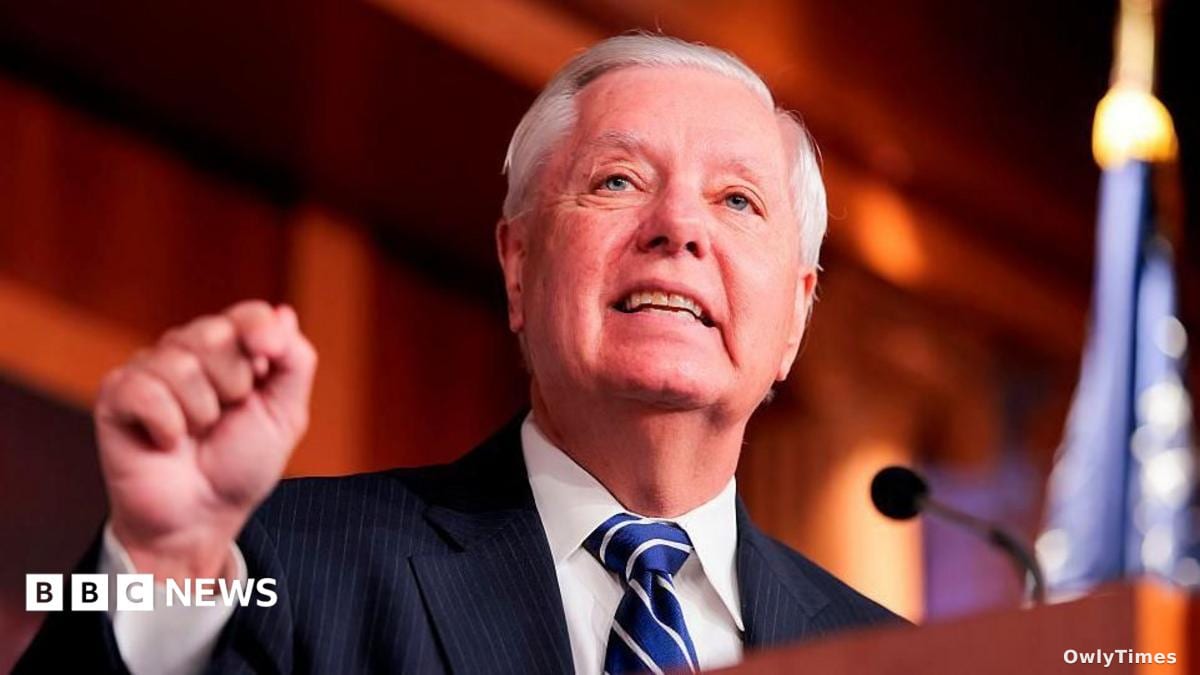

The sudden death of Senator Lindsey Graham on Saturday evening has triggered an immediate scramble for power in South Carolina and a significant recalibration of the legislative agenda in Washington. The strategic calculus behind Graham’s influence—rooted in his role as a hawkish bridge between traditional Republican defense orthodoxy and the populist agenda of President Donald Trump—has been abruptly severed. According to NBC News, emergency personnel responded to a report of cardiac arrest at the senator’s Capitol Hill home on Saturday night, a detail not disclosed in the broader reports from the BBC, The Guardian, or Al Jazeera.
The Power Vacuum in South Carolina
Who benefits and who loses from this vacancy is currently being calculated by party leadership in Columbia. Under South Carolina law, Governor Henry McMaster is empowered to appoint a successor to serve until January 3, 2027, as reported by NBC News. However, because Graham had secured the Republican nomination for a fifth term in the June 9, 2026, primary—confirmed by NPR—the South Carolina Republican Party now faces the urgent logistical hurdle of selecting a replacement nominee for the November general election. The loss of a seat held since 2003, as noted by The Guardian, removes a critical anchor for the state’s GOP establishment.
A Legacy of Tactical Shifts
Graham’s career is defined by his transition from a fierce critic of Donald Trump during the 2016 primary to his role as the president's self-described "north star" on foreign policy. This evolution mirrors a broader historical trend of party consolidation, where institutionalists eventually align with populist shifts to maintain relevance. His death concludes the era of the "Three Amigos"—a moniker shared with the late Senators John McCain and Joe Lieberman—who collectively championed a robust, interventionist American foreign policy, as highlighted by The Guardian.
Legislative Uncertainty
The legislative fallout is immediate. Graham was actively negotiating a Russia sanctions package, which he had intended to provide the Trump administration with specific tools to influence the ongoing conflict in Ukraine, according to NPR. His death leaves a void in the Senate Budget Committee, which he chaired, and complicates the party’s defense-spending priorities. While Al Jazeera reports Graham served on several key committees including Judiciary and Appropriations, his absence removes a primary interlocutor between the White House and the Senate floor.
Transparency and Health Oversight
The brevity of the official statements regarding the 71-year-old senator’s death has drawn scrutiny, particularly in the context of recent congressional health scares. NPR notes that this occurs alongside ongoing concerns regarding the transparency of lawmakers’ medical conditions, citing the recent hospitalizations of Senator Mitch McConnell and the absence of Representative Tom Kean Jr. The political chess move to watch next is the rapid appointment process in South Carolina; Governor McMaster’s choice will signal whether the state party intends to maintain Graham’s hawkish foreign policy alignment or pivot toward a more isolationist flank of the party.