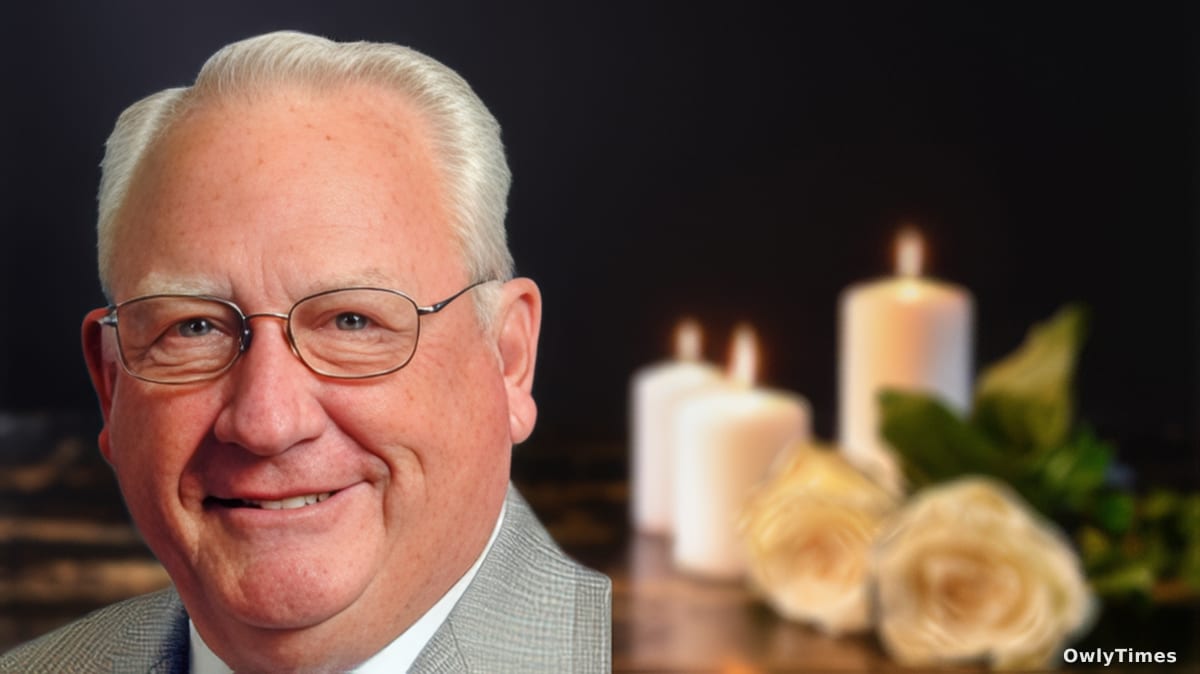

The End of an Era: How Charlie Dean’s Legacy Reshapes Citrus County Politics
The death of Charlie Dean Sr. isn’t simply the passing of a long-serving politician; it’s the closing of a chapter in Florida politics defined by localized power and a distinctly rural conservatism. Dean’s four decades in public life – from Sheriff to State Senator – weren’t about ascending a national stage, but about consolidating influence within Citrus County and leveraging that influence for targeted gains in Tallahassee. The strategic calculus was always clear: build an unshakeable base at home, then use that leverage to secure resources and favorable legislation for a specific constituency – in Dean’s case, the agricultural interests and established families of Citrus County.
See the original Florida Politics story for the full account.
Dean’s career trajectory mirrors a broader pattern in Florida politics, particularly in the northern and central regions. He followed his father into the Sheriff’s office in 1980, a move that immediately signaled a commitment to maintaining the existing power structure. This wasn’t a rejection of ambition, but a calculated strategy. The Sheriff’s office provided a platform for building personal relationships, dispensing patronage, and establishing a reputation for law and order – all essential ingredients for a successful run at higher office. His initial loss to Anna Cowin in the 1996 Senate District 20 race didn’t deter him; it was a learning experience, a recalibration of strategy. He understood the importance of timing and opportunity, waiting for Nancy Argenziano’s appointment to the Public Service Commission to create the opening he needed in 2002. Who benefits and who loses from Dean’s long career? The established families and agricultural businesses of Citrus County undeniably benefited, gaining a consistent advocate in Tallahassee. Those seeking rapid growth or significant changes to the county’s character likely found Dean a formidable obstacle.
The outpouring of grief from current and former officials – Josh Wooten, Rebecca Bays, Ben Albritton, Wilton Simpson, and Ralph Massullo – isn’t merely polite convention. It reflects the genuine respect Dean commanded, but also a recognition of the vacuum his passing creates. Albritton’s anecdote about Dean’s “stories and sayings honed over a career in law enforcement and as a cattleman” speaks volumes. Dean wasn’t a polished orator or a policy wonk; he was a storyteller, a man who connected with people on a personal level, reinforcing his image as a genuine representative of the county’s values. Simpson’s description of Dean as a “father figure” and someone you’d want in your “foxhole” underscores the loyalty he inspired and the strategic alliances he forged. This is a pattern seen throughout Florida’s history – figures like Spessard Holland and Doyle Carlton built similar empires of influence through personal connections and a deep understanding of their constituents.
Dean’s legacy extends beyond policy and legislation. The $1 million scholarship endowment named in his honor at the College of Central Florida, secured through the Citrus County Hospital Board, is a testament to his ability to translate political capital into tangible benefits for the community. This wasn’t simply philanthropy; it was a strategic investment in the county’s future, ensuring a pipeline of skilled workers and reinforcing his image as a champion of education. The fact that Debbie Ressler, chair of the hospital board, described Dean as a “tremendous example of a great American” highlights the extent to which he successfully cultivated a narrative of public service and community leadership. However, it’s worth noting the potential for conflicts of interest inherent in such arrangements – the hospital board’s decision to allocate such a significant sum to a scholarship in Dean’s name raises questions about transparency and accountability.
The political chess move to watch next is the scramble to fill the void Dean leaves in Citrus County’s political landscape. Will a protégé emerge, someone who can replicate his ability to build consensus and leverage local influence? Or will his passing open the door for new voices and a shift in the county’s political direction? The upcoming elections will be a crucial test, revealing whether Dean’s brand of conservative, community-focused politics will endure or whether Citrus County is poised for a new era. The question isn’t simply who will replace him, but how they will attempt to wield the power he so effectively commanded for decades.