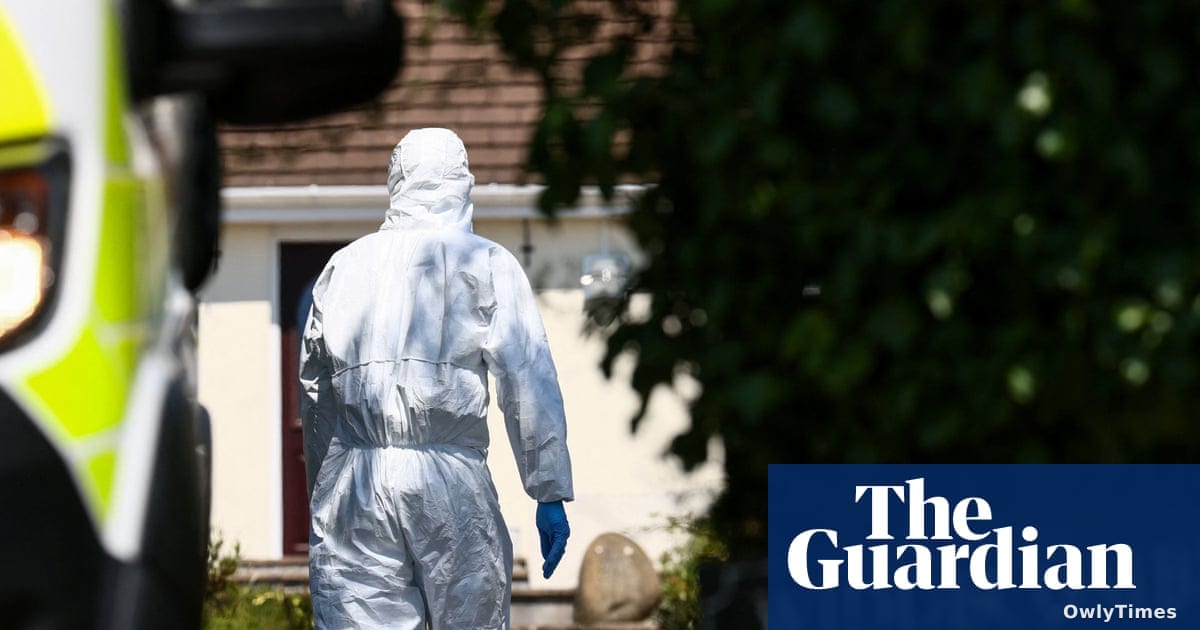

The strategic calculus behind the ongoing investigation into the death of Ann Widdecombe rests on a delicate balancing act for the Devon and Cornwall Police: maintaining public order in a high-profile case while navigating the intense political scrutiny that accompanies the loss of a prominent public figure. By officially ruling out terrorism or politically motivated violence early in the inquiry, authorities are attempting to decouple a potential homicide from the broader, volatile debate surrounding the safety of British politicians. This move serves to prevent a localized tragedy from escalating into a national security flashpoint, though the lack of a viable suspect following the release of a previously detained individual creates a power vacuum that inevitably draws speculation.
The question of "who benefits and who loses" in the wake of this vacuum is central to the political fallout. Reform UK leader Nigel Farage stands at the center of this dynamic, having publicly signaled that the political climate has become "even more dangerous" for those in public life, according to NBC News. While Farage’s rhetoric positions his party as a victim of a deteriorating societal safety net, other stakeholders, including the sitting government, lose political capital if the narrative shifts toward systemic vulnerability. The government, led by Prime Minister Keir Starmer, has sought to project stability, with Starmer urging political leaders to "come together" following the news, as noted by the BBC.
The historical parallel most frequently cited in this event is the recurring trauma of violence against U.K. lawmakers. As observed by ABC News, the deaths of Jo Cox in 2016 and David Amess in 2021 loom large over the current discourse. These previous killings established a baseline of anxiety that now informs every official statement. However, there is a stark difference in the evidence presented thus far; while Mair’s attack on Cox was explicitly ideological, police have emphasized the absence of such indicators in Widdecombe’s case, an analytical distinction that The Guardian highlights as a cornerstone of the current investigative strategy.
The timeline of the tragedy, synthesized across multiple reports, paints a picture of a sudden disappearance. Widdecombe, 78, was last heard from at 12:19 p.m. on Wednesday via a message to a researcher, according to The Guardian. By 12:48 p.m., communication had ceased, and investigators believe the attack occurred at approximately 12:30 p.m. that day, as confirmed by the BBC. Her body was discovered at 11:40 a.m. on Thursday at her home in Haytor. While Euronews notes the arrest of a 26-year-old male on Friday, all sources now agree he has been released and is no longer part of the inquiry.
The immediate political chess move to watch is the tension between the police’s "operational" silence and the demand for transparency from the political class. Assistant Chief Constable Matt Longman has stated that the force has made an active decision not to release further details, such as CCTV footage or specific suspect descriptions, to avoid prejudicing the case. As this investigation continues, the primary trigger to watch will be the police’s next update via their major incident public portal, which remains the only official channel for new evidence that could either quell or ignite the current speculation regarding the perpetrator's identity.