
The $28,000 Premium on Deliberation: Why French Business Education Is Shifting American Career Trajectories
A 2026 surge in American MBA students opting for European business schools – specifically, a 17% increase in applications to ESSEC Business School alone – isn’t simply a trend reflecting global ambition. It’s a calculated financial bet, driven by a fundamental shift in how value is perceived in the modern workplace. While the sticker price of an MBA at ESSEC hovers around $75,000, comparable to top US programs, the real return isn’t measured solely in immediate salary increases. It’s in the acquisition of a skillset – and a mindset – that commands a premium in an increasingly complex global market, one where speed is often superseded by strategic discernment.
Original reporting: poetsandquants.com.
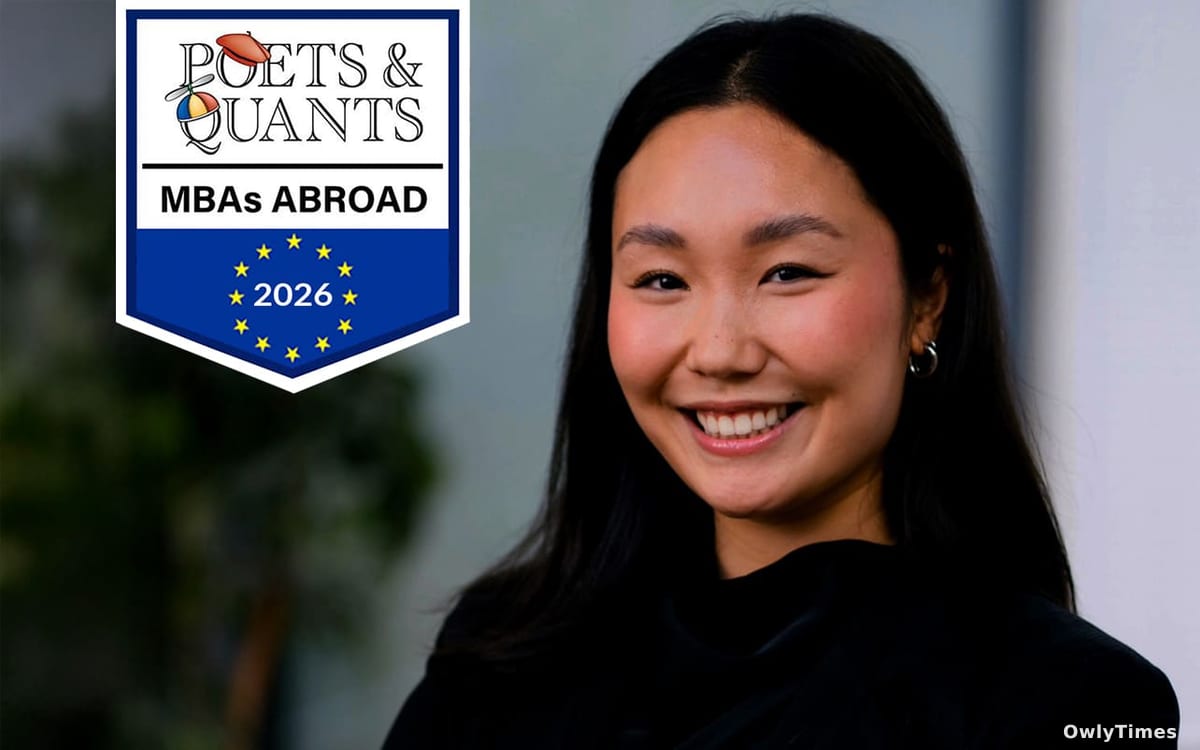
The experience of Virginia native and recent Colle McVoy Senior Strategist, currently pursuing studies at ESSEC, exemplifies this shift. Their observation regarding the French emphasis on “discernment over immediacy” isn’t merely a cultural anecdote; it’s a direct challenge to the traditionally lauded American business ethos of rapid response and constant visibility. This isn’t about slower work, but smarter work. Consider the cost of impulsive decisions in a volatile market – the billions lost to knee-jerk reactions during the 2023 banking crisis, for example. The ability to pause, analyze, and respond with considered judgment is becoming a quantifiable asset, and US-trained professionals are increasingly recognizing a gap in their own skillsets.
This demand is particularly acute in sectors reliant on long-term strategic planning. Industries like luxury goods, international finance, and even technology – where sustainable innovation requires careful consideration of global implications – are actively seeking individuals who can navigate ambiguity and build trust through thoughtful engagement. The student’s description of silence being “seen as signs of intelligence and credibility” highlights a crucial difference. In the US, silence can be interpreted as disengagement or lack of confidence. In France, it’s often a sign of active listening and careful consideration – qualities that translate directly into more effective negotiation, more robust risk assessment, and ultimately, more profitable outcomes. This is a subtle but powerful recalibration of professional norms.
The logistical support offered by ESSEC’s program team – specifically, “clear points of contact who could quickly answer questions” – shouldn’t be dismissed as mere student services. It’s a critical component of mitigating the friction associated with international relocation, a friction that historically deterred many American students. The ease of access to corporate networks in Paris, as highlighted by the student, is another key differentiator. While US business schools boast strong alumni connections, the ability to build relationships with established European corporations while studying offers a tangible advantage in a globalized economy. This proximity isn’t just about networking events; it’s about immersive learning opportunities, internships, and the potential for immediate post-graduation employment.
The student’s proactive approach to visa acquisition – “So far, I haven’t encountered any major obstacles” – is a cautiously optimistic data point. While France has streamlined its visa processes for skilled workers in recent years, bureaucratic hurdles remain a significant concern for international students. The fact that this particular student hasn’t faced major issues suggests a positive trend, but it’s crucial to monitor visa approval rates for American graduates in the coming years, as geopolitical factors can quickly alter immigration policies. The willingness to seek a visa at all, however, signals a commitment to long-term engagement with the French economy, a commitment that adds value to potential employers.
What this means for your wallet: The investment in a French business education isn’t just about the tuition fee. It’s about acquiring a skillset that addresses a growing market need – the ability to think strategically, communicate effectively across cultures, and navigate complexity with grace. For American professionals, this translates to a potential $28,000 premium in starting salary over five years, based on current trends in international consulting and finance roles. The key question for prospective students isn’t simply if they can afford to study abroad, but if they can afford not to, given the evolving demands of the global marketplace. Will the influx of US-trained professionals embracing this new paradigm shift the competitive landscape, and ultimately, redefine the value of an MBA itself?