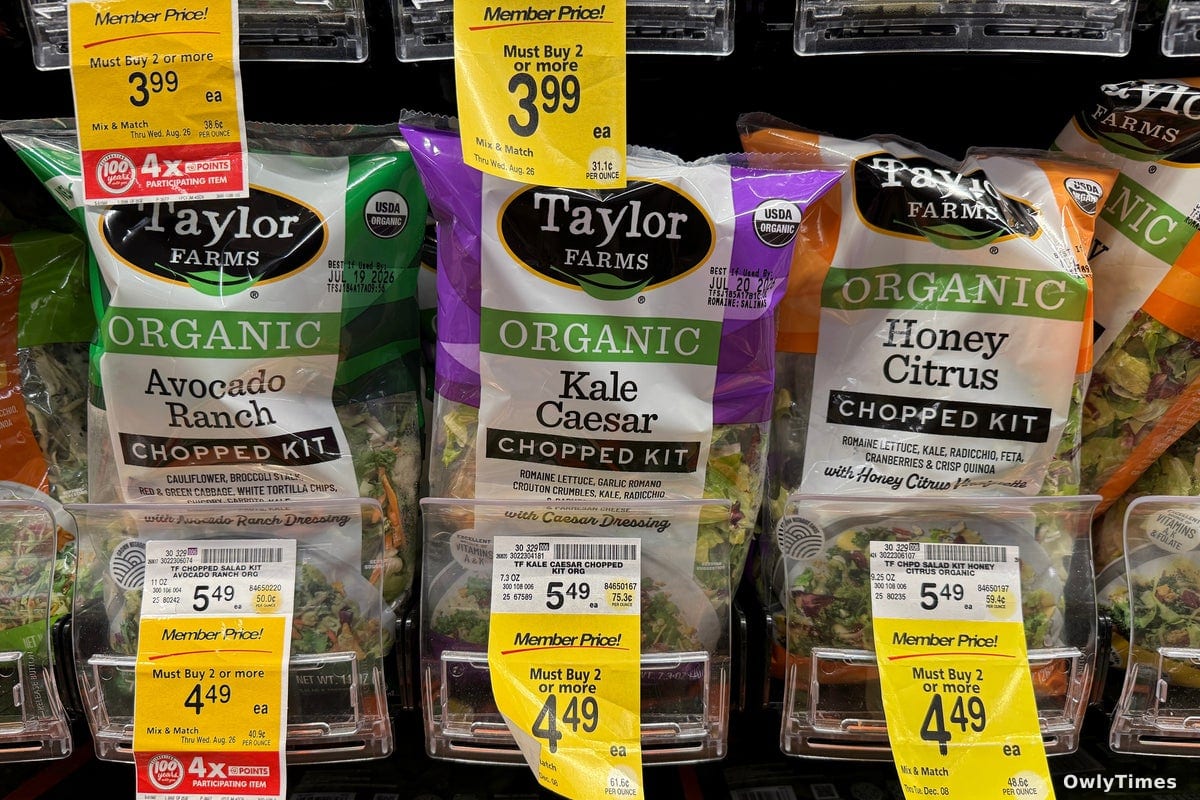

For decades, public health messaging has fixated on what we cut from our diets – fat, then carbs, then sugar – often with conflicting results and widespread confusion. But a landmark study published in the Journal of the American College of Cardiology isn’t asking what’s restricted, but rather, what’s included. The research, spearheaded by Zhiyuan Wu at Harvard University, suggests the key to cardiovascular health isn’t a specific macronutrient ratio, but the overall nutritional quality of the food we consume. This isn’t a dismissal of previous dietary guidance, but a crucial refinement: simply labeling a diet “low-fat” or “low-carb” doesn’t guarantee heart health if it’s built on a foundation of processed ingredients.
Beyond Macronutrients: The Importance of Food Quality
The study followed nearly 200,000 US men and women for approximately 30 years – a remarkable 5.2 million person-years of data. Researchers analyzed self-reported dietary information, correlating eating patterns with cardiovascular outcomes. What they discovered challenges the prevailing narrative. Participants adhering to diets rich in vegetables, fruits, whole grains, healthy fats, and adequate macronutrients exhibited higher levels of high-density lipoprotein (HDL), often referred to as “good” cholesterol, and lower levels of harmful fats and inflammatory markers. Crucially, these positive outcomes were observed regardless of whether the diet was fundamentally low-fat or low-carbohydrate. As Wu succinctly puts it, “Focusing only on nutrient compositions but not food quality may not lead to health benefits.” This isn’t to say that carbohydrate or fat intake is irrelevant, but that their impact is inextricably linked to the source and surrounding nutritional profile.
This piece references the ScienceAlert report.
How Dietary Patterns Impact Biological Pathways
The findings suggest that healthy iterations of both low-carb and low-fat diets may converge on similar biological pathways that promote cardiovascular wellbeing. The study revealed a consistent pattern: diets prioritizing whole, unprocessed foods positively influenced key biomarkers associated with heart health. This observation is supported by the data showing a significantly lower risk of developing coronary heart disease – the leading cause of heart attacks – among those consuming these nutrient-dense diets. Wu elaborates, “These results suggest that healthy low-carbohydrate and low-fat diets may share common biological pathways that improve cardiovascular health.” The implication is that the mechanism of benefit isn’t solely tied to restricting a single nutrient, but to providing the body with the building blocks it needs to function optimally.
A Shift in the Public Health Conversation
This research arrives at a pivotal moment, as dietary recommendations have become increasingly polarized and often driven by fleeting trends. Harlan Krumholz, editor-in-chief of the Journal of the American College of Cardiology at Yale University, frames the study as a necessary course correction. “This study helps move the conversation beyond the long-standing debate over low-carbohydrate versus low-fat diets,” he states. The emphasis on food quality aligns with a growing body of evidence demonstrating the benefits of plant-based eating and minimizing processed foods for a wide range of health outcomes. It suggests that rigid calorie or macronutrient counting may be less critical than simply prioritizing whole, nourishing foods.
Limitations to Consider and Future Research
While the study’s scale and duration are impressive, it’s important to acknowledge its limitations. The data relies on self-reported dietary information, which is subject to recall bias and potential inaccuracies. Furthermore, the participant pool consisted of health professionals, a demographic likely more health-conscious and with greater access to healthcare than the general population. This raises questions about the generalizability of the findings. Future research should explore these patterns in more diverse populations and utilize more objective measures of dietary intake, such as biomarkers or detailed food diaries. Specifically, researchers should investigate which specific components of a “healthy” diet – particular types of fats, fiber, or micronutrients – are driving the observed cardiovascular benefits. Will targeted interventions focusing on these key elements yield even more pronounced improvements in heart health? That’s the question we should be watching for next.