
As the Ebola outbreak in the Democratic Republic of the Congo (DRC) enters a critical phase, the scientific and public health community is grappling with a dual crisis: a rapidly evolving viral threat and a paralyzed response infrastructure. The core question facing health authorities is how to contain the Bundibugyo strain of the virus—which currently lacks an approved vaccine—while simultaneously managing the collapse of front-line medical services.
Discrepancies in Data and Scope
There is a notable variance in the reported figures across recent accounts, highlighting the difficulty of tracking an epidemic in real-time. Al Jazeera reports that confirmed deaths have reached 600, with 1,759 confirmed cases. ABC News provides slightly different figures, citing 580 deaths and 1,708 cases, suggesting the data is shifting daily as new cases are validated. CBS News, reporting from earlier in the timeline, documented 1,003 cases and 254 deaths, illustrating the rapid acceleration of the virus since mid-June.
It is important to understand that these figures often lag behind reality. While headlines emphasize the rising death toll, the epidemiological data is complicated by the fact that many potential cases—such as two reported in the city of Kisangani—remain under validation, according to Al Jazeera. Furthermore, CBS News notes that health officials are struggling with a contact tracing coverage rate of only 55%, meaning the official numbers likely represent only a fraction of the actual transmission.
The Impact of Labor Unrest on Outbreak Control
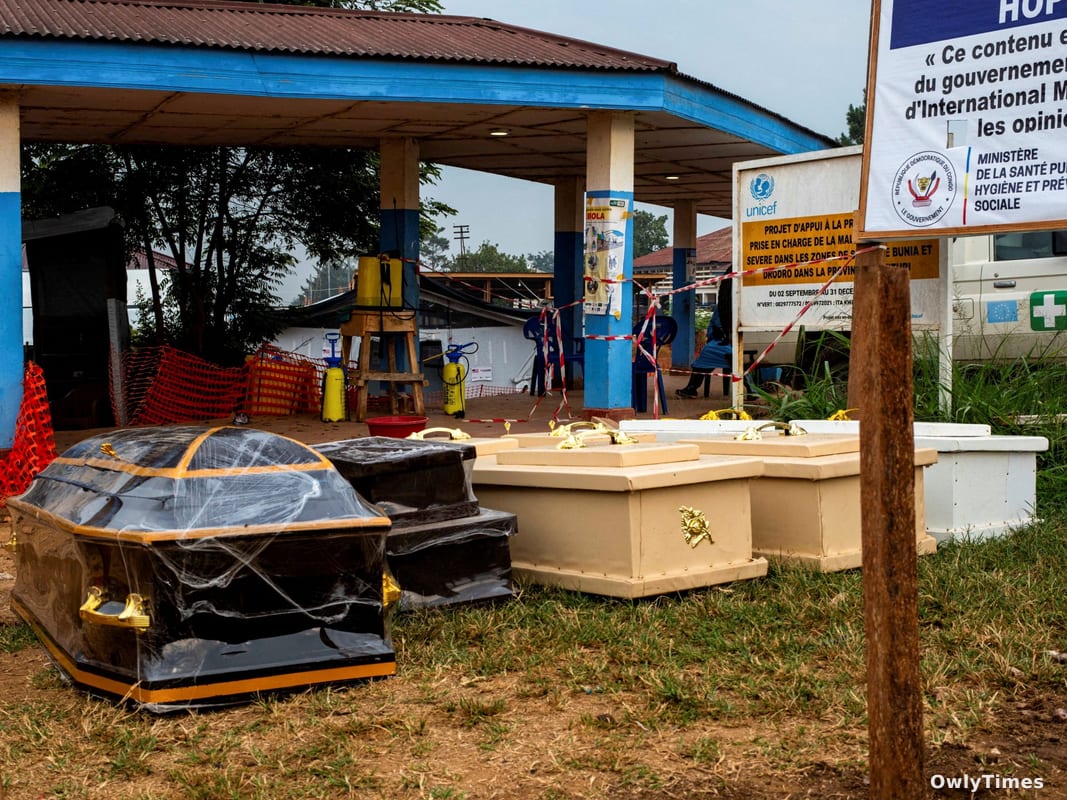
The primary operational challenge is the partial walkout of healthcare workers in the Ituri province, who are protesting months of unpaid wages and bonuses. ABC News reports that workers, including those responsible for safe burials and contact tracing, have not been paid since the outbreak was declared on May 15. While Al Jazeera confirms that some have already stopped working, ABC News provides context regarding the logistical hurdles: Akilimali Pierre, incident manager at the National Institute of Public Health, attributes the payment delays to the closure of the Bunia airport, which has disrupted the flow of funds.
Limitations to Consider
The current response is further constrained by the region's complex socio-political environment. CBS News points to the influence of ongoing violence by the Allied Democratic Force, which has hindered access to villages and created high-density displacement camps where the risk of rapid transmission is extreme. Additionally, the skepticism of local populations—demonstrated by the attack on community investigator Dr. Ben Bakule—remains a persistent barrier to effective surveillance. These environmental factors make it nearly impossible to isolate the virus’s movement, as noted by Dr. Jean Kaseya of the Africa Centers for Disease Control and Prevention, who highlighted the lack of a confirmed "index case" or patient zero.
Moving Toward Clinical Trials
The next phase of the scientific response involves the enrollment of patients into clinical trials for potential treatments for the Bundibugyo virus. As research teams move forward, the immediate priority remains the stabilization of the workforce. The success of these trials depends on the continuity of care in treatment centers that, according to the World Health Organization’s representative Dr. Anne Ancia, are already approaching full capacity. Future reports will likely focus on whether the government can meet the 24-hour ultimatum issued by staff to settle wage disputes, a factor that will ultimately determine the efficacy of the entire containment strategy.