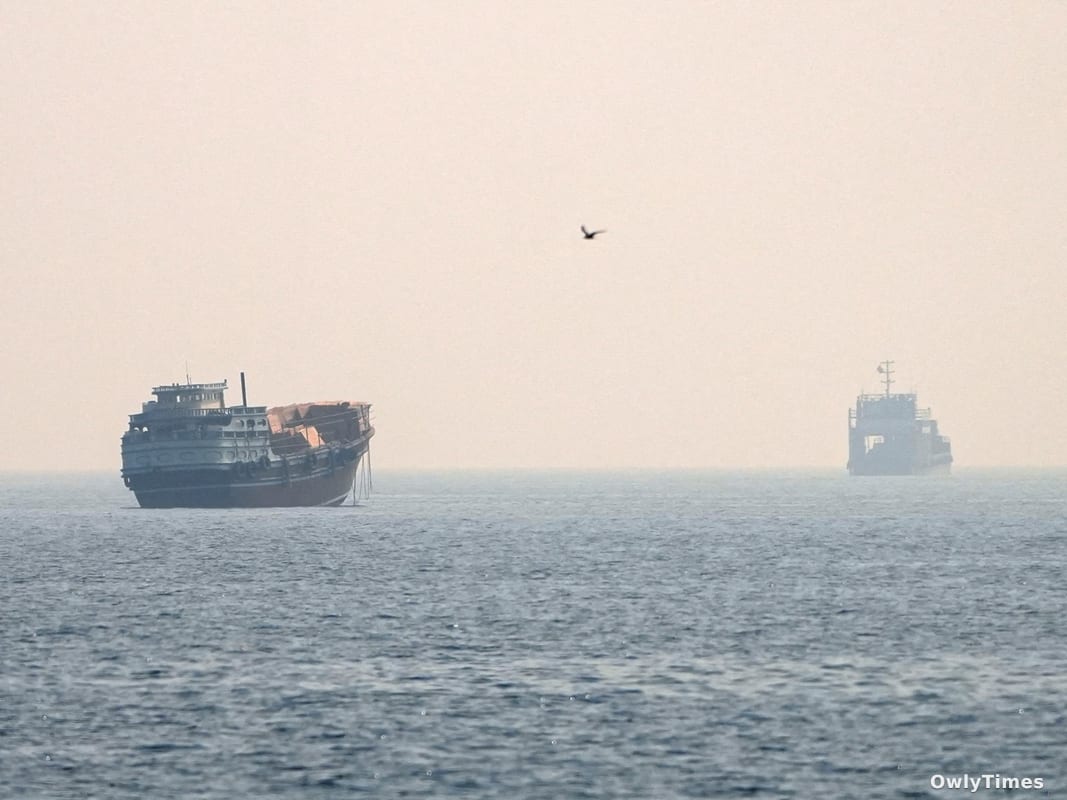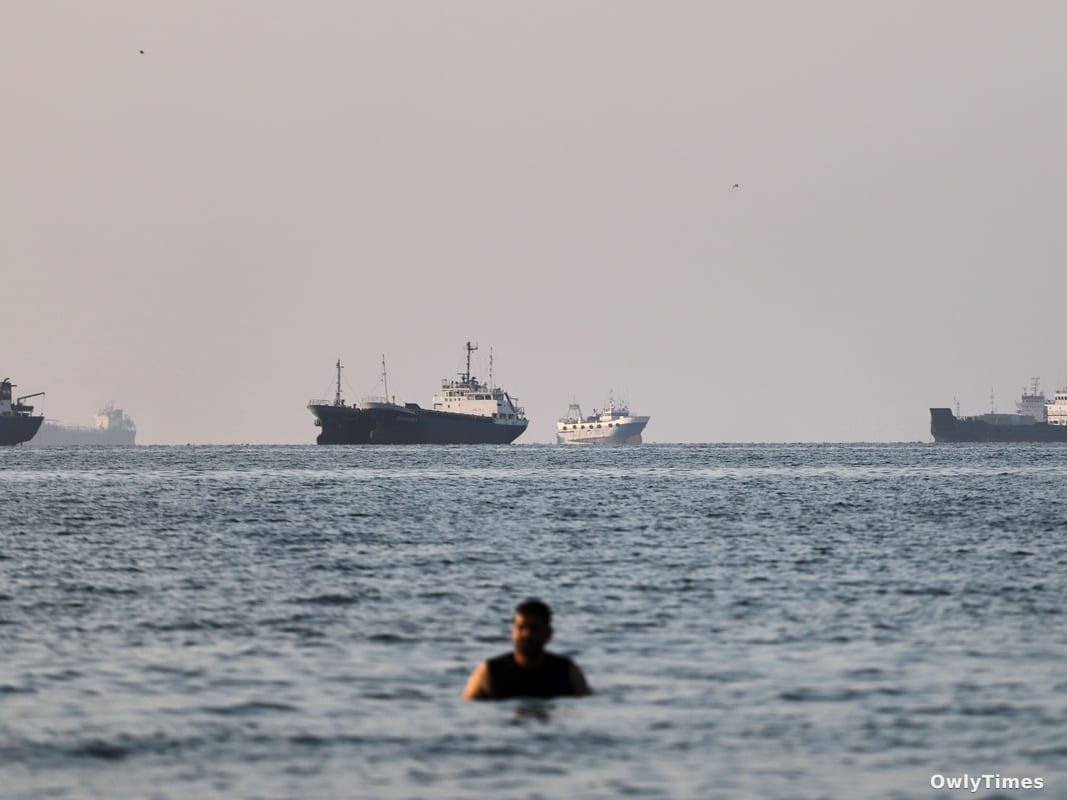

Two tankers transited the Strait of Hormuz on Thursday, a stark decline from the 130 ships that typically navigated the vital global energy artery before the outbreak of hostilities earlier this year. This collapse in maritime traffic—confirmed by data from Intertanko and Rystad Energy—follows a significant escalation in military strikes between the United States and Iran, coinciding with the burial of the late Supreme Leader Ayatollah Ali Khamenei.
Follow the Money: The Strait and Global Energy
The economic impact of this renewed volatility is immediate. According to the BBC, marine director Phil Belcher noted that traffic, which had already dipped from 70 ships per week to roughly 30, has now reached "single figures." While The Independent reports that traffic had averaged 40 ships daily prior to this week’s escalation, the current near-standstill underscores a profound shift in risk perception. Jorge Leon, head of geopolitical analysis at Rystad Energy, stated that the cessation of tanker movement is a more accurate indicator of regional stability than official rhetoric from either Washington or Tehran.
Military Escalation and Human Cost
The intensification of the conflict is reflected in the scale of the U.S. military response. U.S. Central Command reported striking 90 Iranian military targets, including air defense systems and logistics infrastructure, in an attempt to protect commercial shipping. Simultaneously, Iranian officials—cited by The Independent—claimed these strikes resulted in 14 deaths and 78 injuries across five provinces. The conflict has expanded geographically; Iran reported retaliatory strikes against U.S. assets in Kuwait, Qatar, and Bahrain, while Jordan confirmed the interception of eight missiles.
A Legacy Interred Amidst Unrest
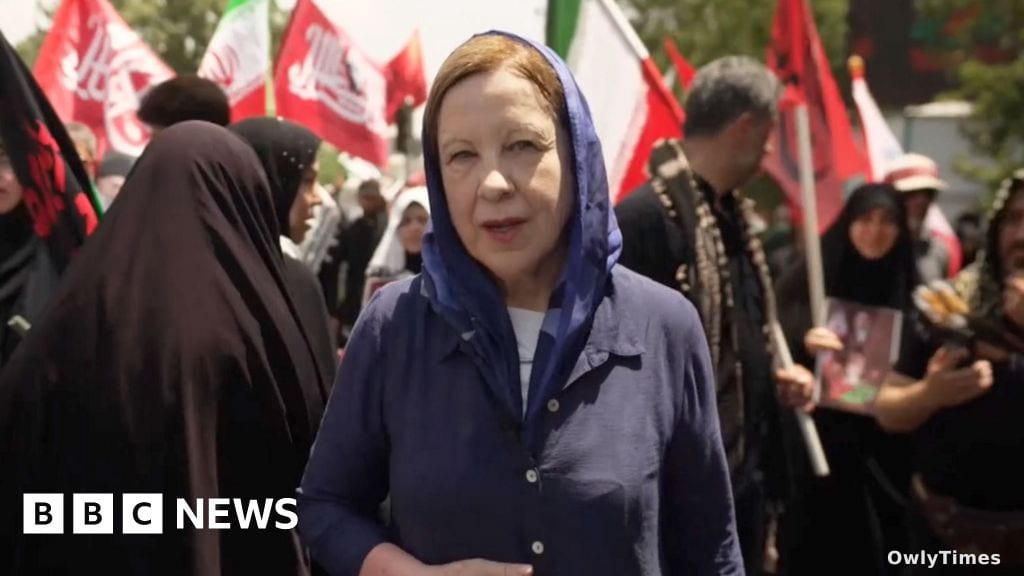
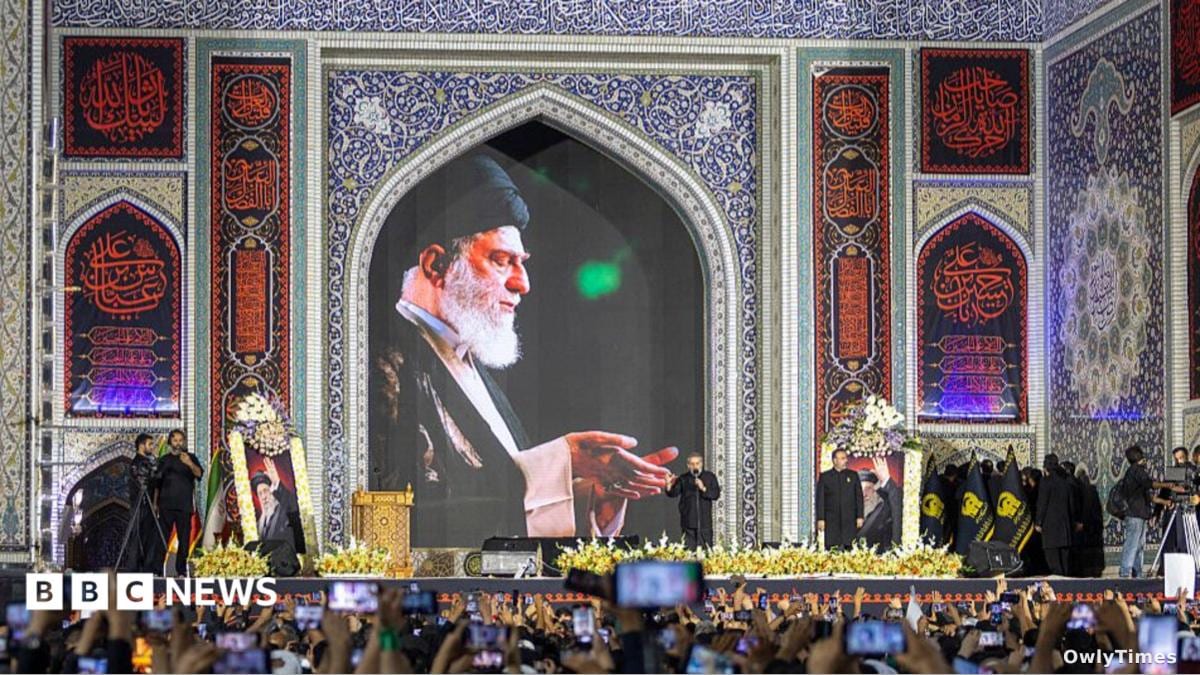
The burial of Khamenei in his hometown of Mashhad concluded a six-day funeral period that served as a polarizing stage for Iranian domestic politics. While state media described the event as a massive show of loyalty, The Associated Press reports deep-seated public discontent, fueled by economic instability and the violent suppression of anti-government protests that claimed thousands of lives in January. Notably, Mojtaba Khamenei, the late leader's son and designated successor, was absent from the burial; sources tell NBC News he remains incapacitated following the February 28 strike that killed his father.
Investor Takeaway: What This Means for Your Wallet
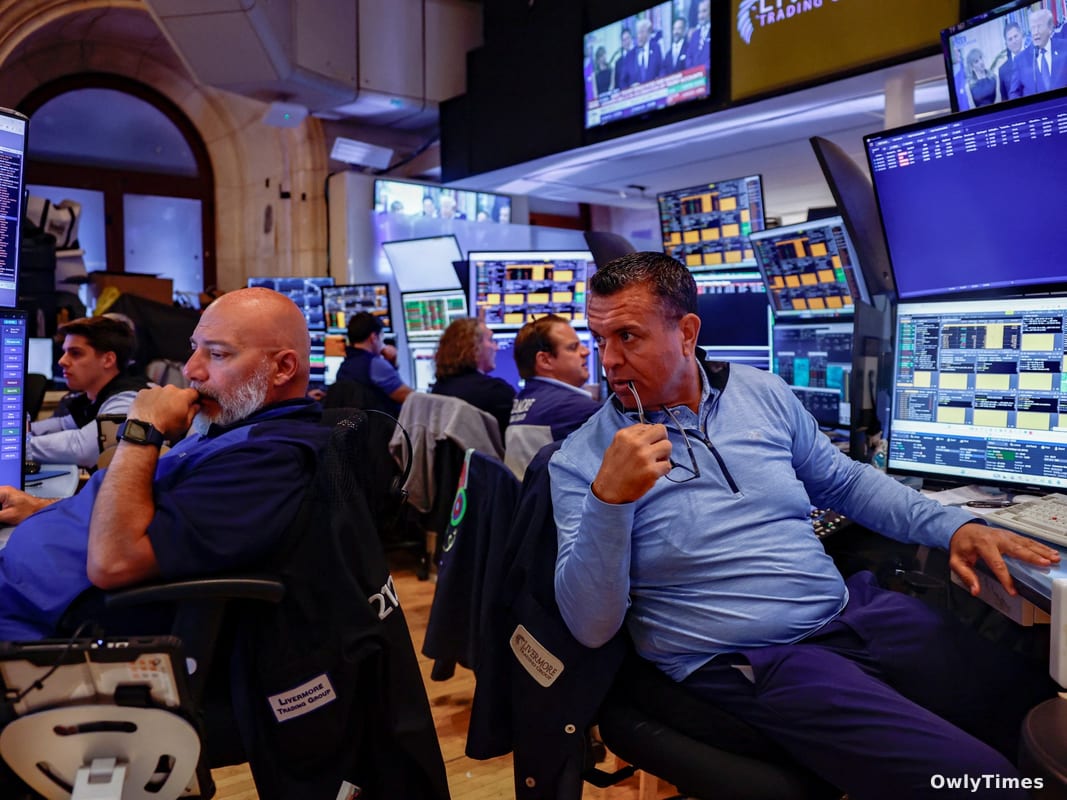
The immediate future of energy prices and regional commerce hinges on the durability of the current "interim peace deal." While President Donald Trump declared the ceasefire "over" on Wednesday, he simultaneously claimed on Thursday that Iranian officials have expressed interest in returning to the negotiating table. For the average consumer, this translates to heightened volatility in oil markets; the Strait of Hormuz historically facilitates the movement of roughly 20 percent of global oil supplies. With Mohammad Bagher Ghalibaf, Iran's chief negotiator, insisting that the waterway will only reopen under "Iranian arrangements," the primary signal to watch is the daily count of tanker transits. Any sustained increase in ship traffic will serve as the first reliable indicator that the current cycle of tit-for-tat strikes is de-escalating.