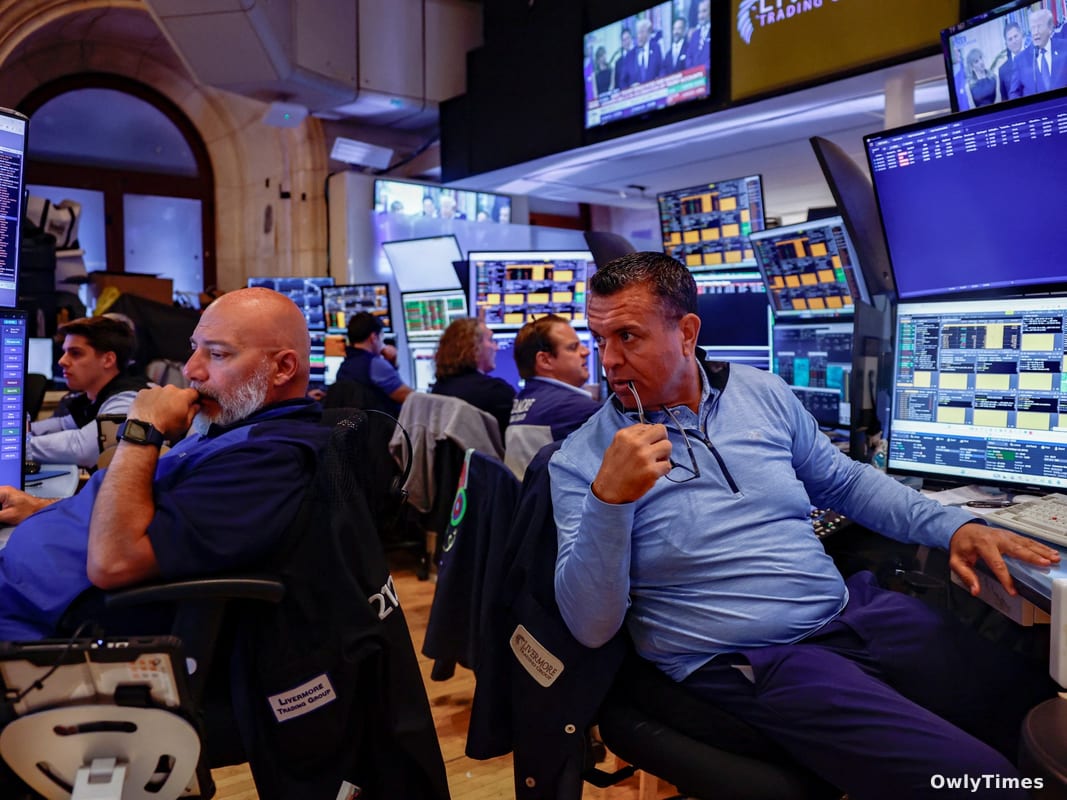

Is the stock market becoming little more than a high-stakes casino where the house rules are rewritten the moment a star player walks through the door?
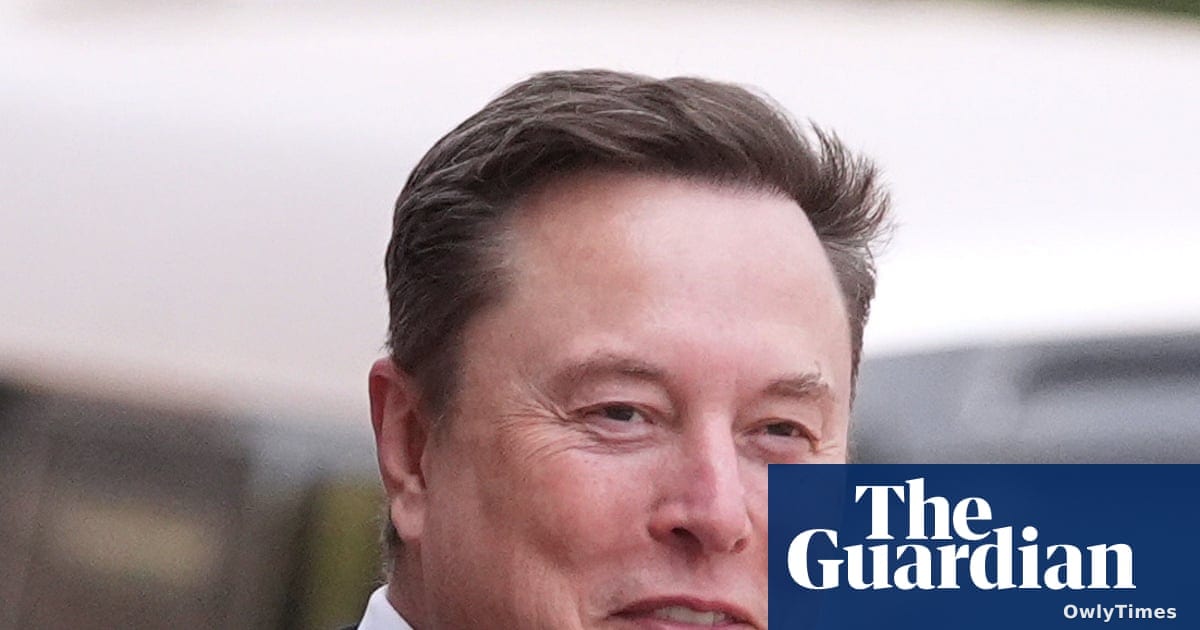
The real story here isn’t just that SpaceX has joined the Nasdaq-100; it’s that the exchange is effectively throwing out its own rulebook to ensure the most hyped companies in the artificial intelligence and aerospace race don't have to wait for the traditional gatekeeping period. According to Al Jazeera, SpaceX officially debuted on the index this past Tuesday, bypassing the standard requirement that a company must be publicly traded for three calendar months before qualifying. This waiver isn't just a one-off favor for Elon Musk—it signals a broader shift in how indices like the Nasdaq-100 intend to court future IPOs from heavyweights like OpenAI and Anthropic.
Think of the Nasdaq-100 like an exclusive club where members historically had to prove they could keep their cool under pressure for at least 90 days before being granted full status. By removing this barrier, the exchange is signaling that in the age of AI, waiting is a luxury they can no longer afford. For the ordinary teacher or first responder whose pension fund relies on products tied to the Nasdaq-100, this means their retirement savings are being exposed to the volatility of "high-growth" newcomers much faster than they were under the old guard’s standards.
While the index is busy fast-tracking new blood, speculators are already placing bets on whether this tech-heavy momentum can actually last. CNBC reports that traders on the prediction platform Kalshi are expressing skepticism about the index’s future, with only 50-50 odds that it will close out 2026 above the 30,000-point mark. This represents a distinct cooling in sentiment compared to the surge seen between late March and early June, when the index climbed over 33% on the back of renewed AI fervor.
The disconnect between the excitement of a high-profile listing like SpaceX and the cold reality of the betting markets is palpable. As Ulrike Hoffmann-Burchardi, chief investment officer for the Americas at UBS, noted in a report cited by CNBC, investors are increasingly looking to diversify away from tech as they reassess the "next phase of the AI trade." While the Nasdaq-100 is clearly betting that the future is built on companies like SpaceX, the broader market seems to be bracing for a period where tech is no longer the undisputed king of growth.
It is worth noting that this trend of betting on everything—from the trajectory of the Nasdaq to the outcome of a soccer match—is being facilitated by the same platforms. CBS Sports confirms that Kalshi is currently operating as the official prediction market partner for the 2026 FIFA World Cup, allowing users to trade on games like the current Switzerland vs. Colombia match. Whether it is the valuation of a rocket company or the score of a Round of 16 match, the underlying mechanism is the same: converting complex, real-world events into binary "Yes/No" contracts that turn public discourse into a tradeable asset.
If the Nasdaq-100 continues to waive its entry requirements to capture these "AI-trade" giants, expect the index to become significantly more volatile. The next measurable signal to watch will be the year-end closing price on December 31, which will resolve those Kalshi contracts and serve as a definitive report card on whether the market's current tech obsession was a well-founded strategy or just a summer fever dream.