
The price of crude oil spiked more than 3% on Wednesday following a sharp escalation in the Strait of Hormuz, as U.S. military strikes against Iranian targets prompted an immediate return of oil sanctions and a formal collapse of the region's interim ceasefire.
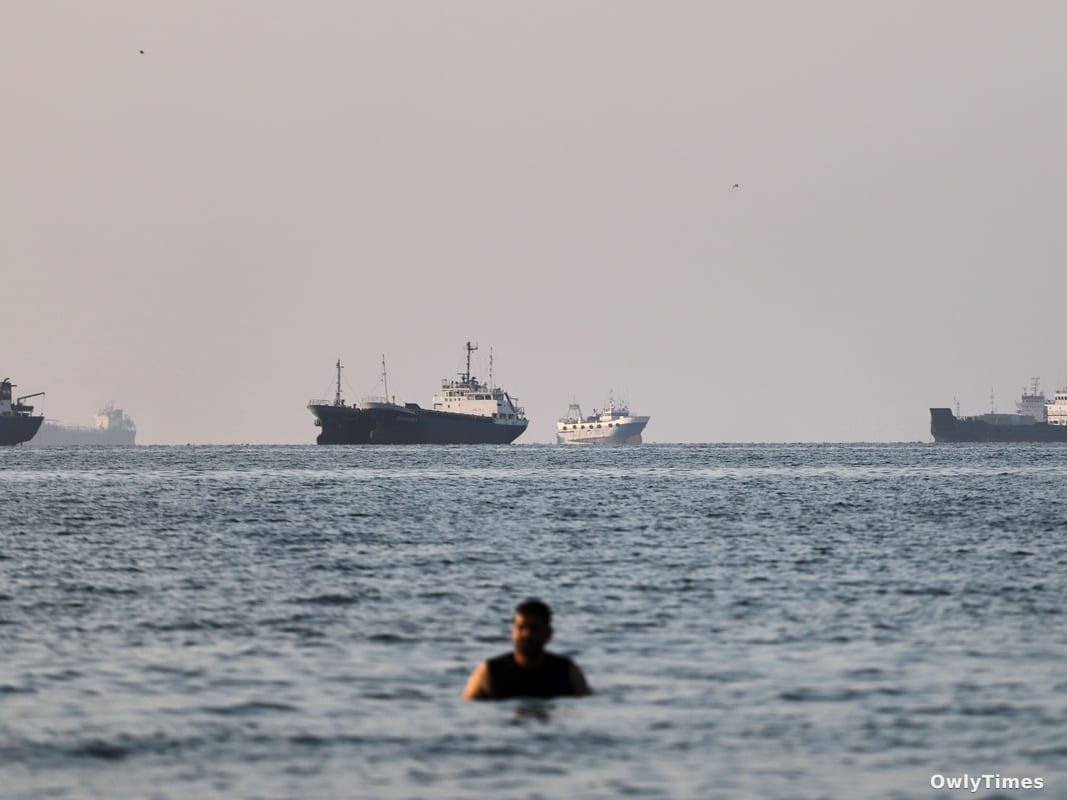
The volatility follows a Tuesday attack on three commercial ships in the Strait of Hormuz—including a Qatari liquefied natural gas (LNG) tanker—which prompted the U.S. military to strike Iranian air defense systems, radars, and over 60 small boats used by the Revolutionary Guard, according to NPR. While Al Jazeera reports that Iran claimed to have targeted 85 military installations in Bahrain and Kuwait in retaliation, the NPR account specifies that missile alerts were triggered in those nations, which host significant U.S. military infrastructure.
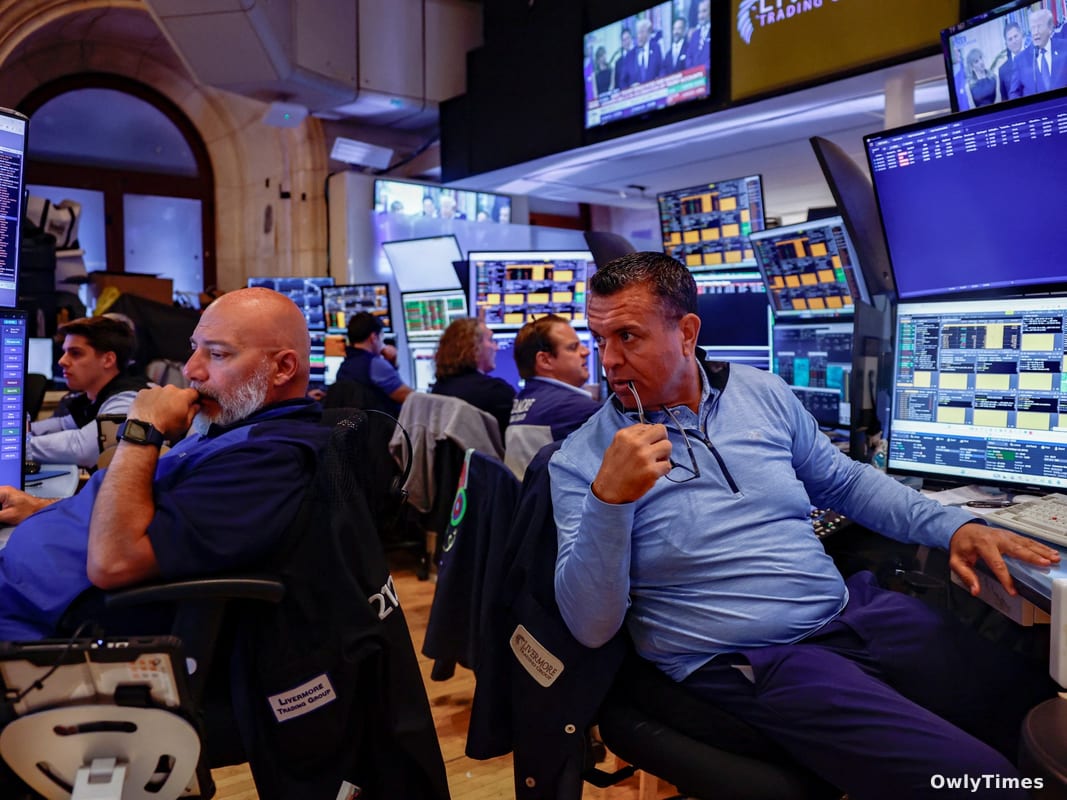
Follow the money: The immediate market reaction was a retreat in global equities, with The Guardian noting that the FTSE 100 fell 130 points, or 1.2%, as investors processed the geopolitical instability. Beyond the immediate energy price hike, the U.S. government has revoked the license that previously allowed Iran to sell crude oil on the international market for U.S. dollars. This marks a definitive end to the interim agreement that had briefly allowed Iran to export sanctioned crude, a practice NPR notes was previously facilitated through below-market sales to China.
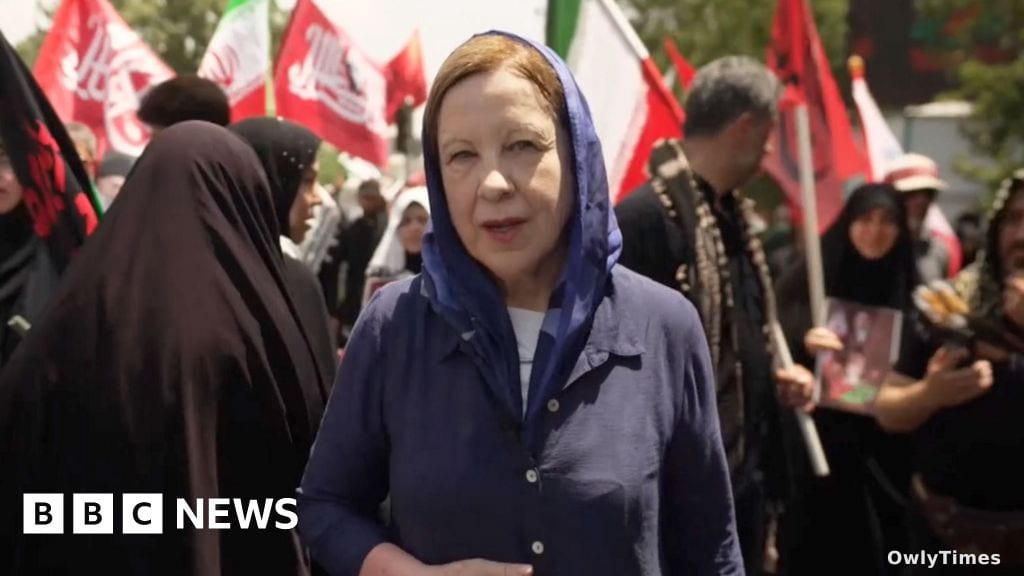
The breakdown in the ceasefire comes during a period of national mourning in Iran following the death of Supreme Leader Ayatollah Ali Khamenei, who was killed in February. The BBC reports that massive crowds gathered in Tehran’s Enghelab Square during the procession, a scene that contrasts sharply with the military strikes occurring in the provinces of Hormozgan and Mahshahr. The diplomatic landscape has reached a stalemate; U.S. President Donald Trump, speaking from a NATO summit in Ankara, declared the ceasefire deal “over” and characterized further negotiations as a “waste of time,” according to Al Jazeera and The Guardian.
For investors and consumers, the outlook is increasingly tied to the Federal Reserve’s upcoming policy decisions. The Guardian reports that the combination of rising energy costs and the collapse of the Iran deal places the possibility of a federal interest rate hike back on the table for this year, as the central bank re-evaluates inflation pressures. Additionally, sectors reliant on stable global supply chains—such as homebuilding, where firms like Vistry Group have already reported losses due to market uncertainty—may face prolonged headwinds as the conflict disrupts consumer confidence and increases material costs. Monitor the Federal Reserve’s meeting minutes for the next signal on how these regional military developments will be translated into domestic monetary policy.