
Is the digital global economy actually a sophisticated machine, or is it just a house of cards held together by the hope that the Strait of Hormuz stays open? As news of renewed U.S. airstrikes against Iranian infrastructure ripples across the globe, we are once again reminded that our high-tech, interconnected world remains beholden to the same geopolitical volatility that governed the 20th century.
The real story here isn't the political maneuvering in Washington or Tehran—it’s the immediate, visceral way that military escalation translates into the cost of your daily life.
On July 9, 2026, the United States launched a second consecutive night of airstrikes against targets in Iran, including coastal sites like Bandar Abbas, Sirik, Bushehr, and Jask, according to The Independent. These strikes followed a declaration by President Donald Trump that the interim ceasefire between the two nations was "over," citing retaliatory necessity following Iranian attacks on commercial vessels. Al Jazeera confirms the scale of these attacks, reporting that the bombings have resulted in widespread power outages in Chabahar and at least one confirmed death in the city of Iranshahr.
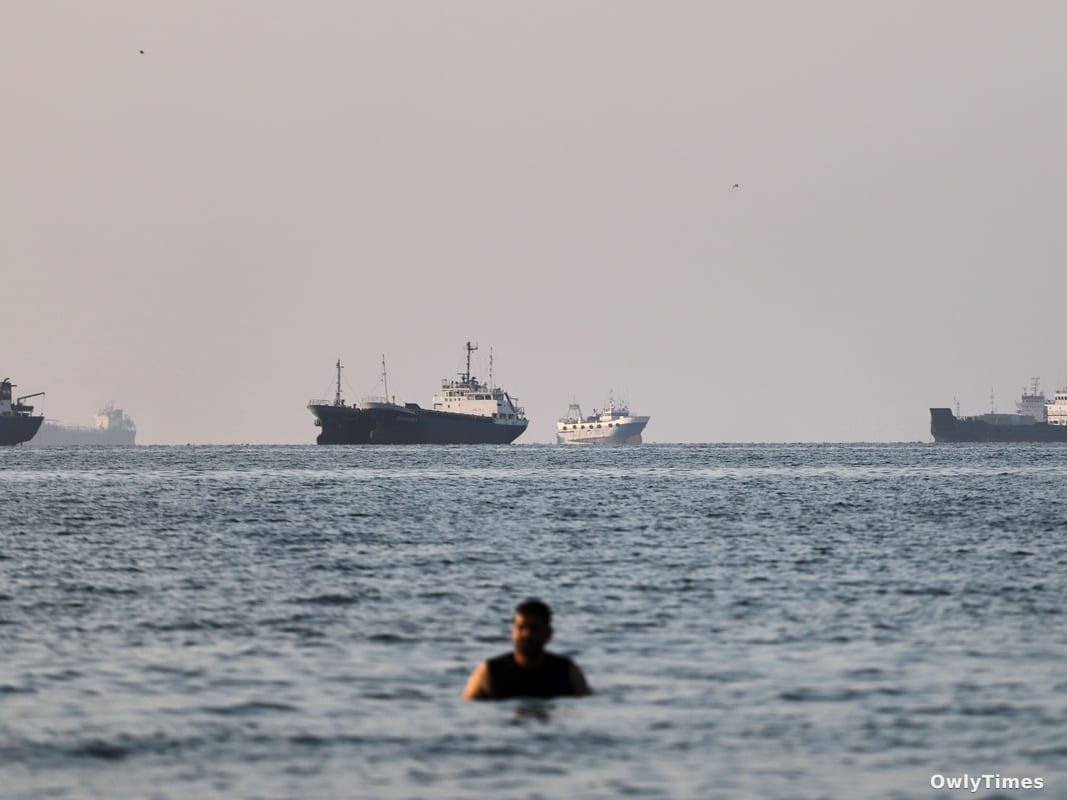
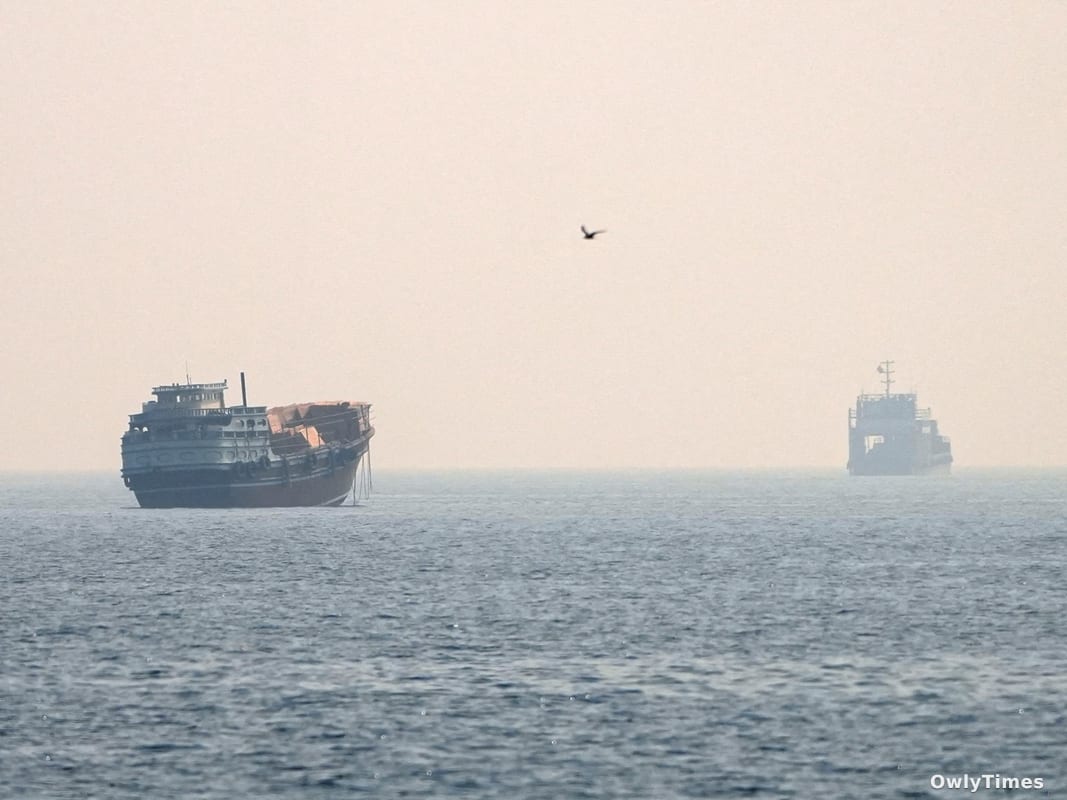
While the geopolitical fallout is severe, the immediate impact on the average consumer is being funneled through the volatile crude oil market. The Independent reports that Brent crude climbed over 5% following the announcement, while The Guardian cites an even steeper rise of more than 6%. This isn't just a number on a ticker; it is the fuel that powers the global supply chain. As Jorge Leon, head of geopolitical analysis at Rystad Energy, noted, tanker traffic through the Strait of Hormuz has essentially halted, a signal that risk perception is currently overriding any official diplomatic statements.
For the ordinary user, this volatility creates a "wait-and-see" tax on travel and consumption. Even as holiday operator Jet2 reported a 7.1% increase in summer bookings, CEO Steve Heapy admitted that consumers had previously delayed purchases specifically to monitor the conflict. The industry is now caught in a pincer movement: while fuel costs threaten to spike, travelers are also facing separate infrastructure bottlenecks, such as the new EU border check system causing "queue chaos" at airports. It is a stark reminder that even when your vacation plans are set, your ability to execute them is at the mercy of both regional instability and systemic technical delays at the border.
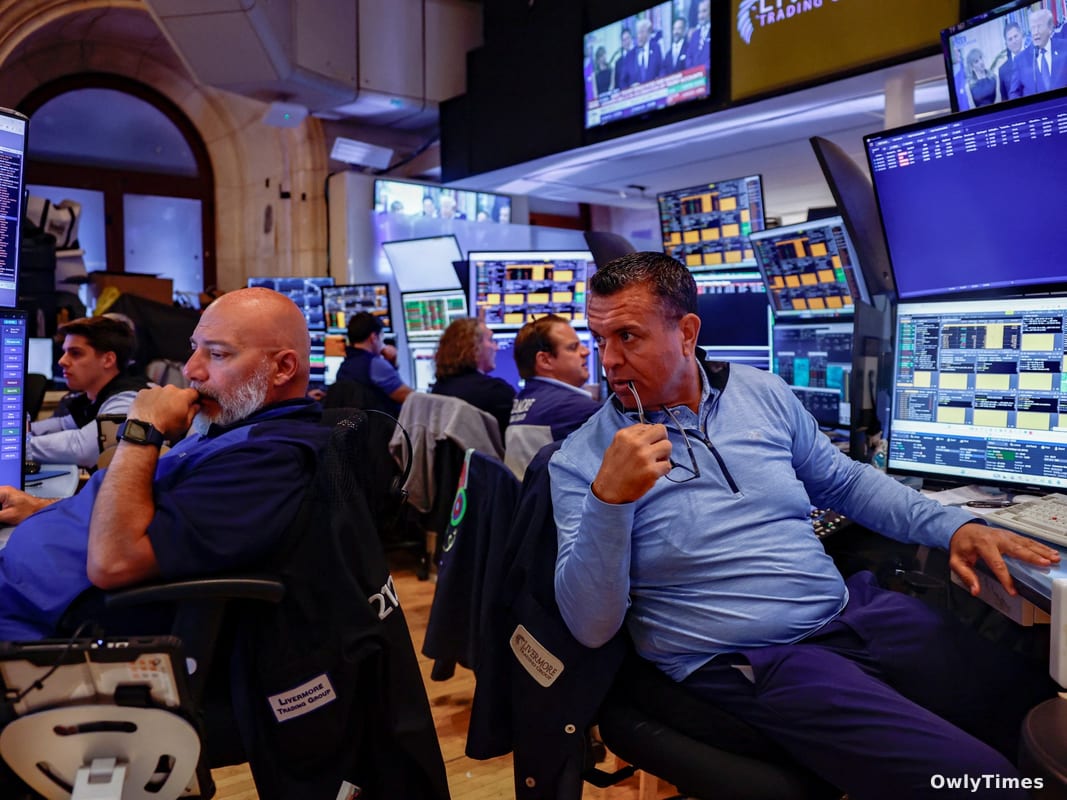
Despite the escalating tension, President Trump told reporters on Air Force One that the conflict is "really not a war so much," framing the operation as a "de-nuclearisation of Iran." However, the markets remain unconvinced by such semantics. As traders on Wall Street scramble to price in potential long-term disruptions, the reality for the average commuter is that gas prices remain sensitive; while AAA recorded a slight increase to $3.80 per gallon on Wednesday, the full impact of crude spikes typically takes weeks to reach the pump due to the lag in refining and distribution.
We are currently in a period of extreme market sensitivity where every military communique directly influences your household budget. Watch the upcoming sessions of the Nato summit in Ankara; any further hardening of rhetoric from the President will likely trigger another sharp, immediate reaction in energy futures before the week is out.