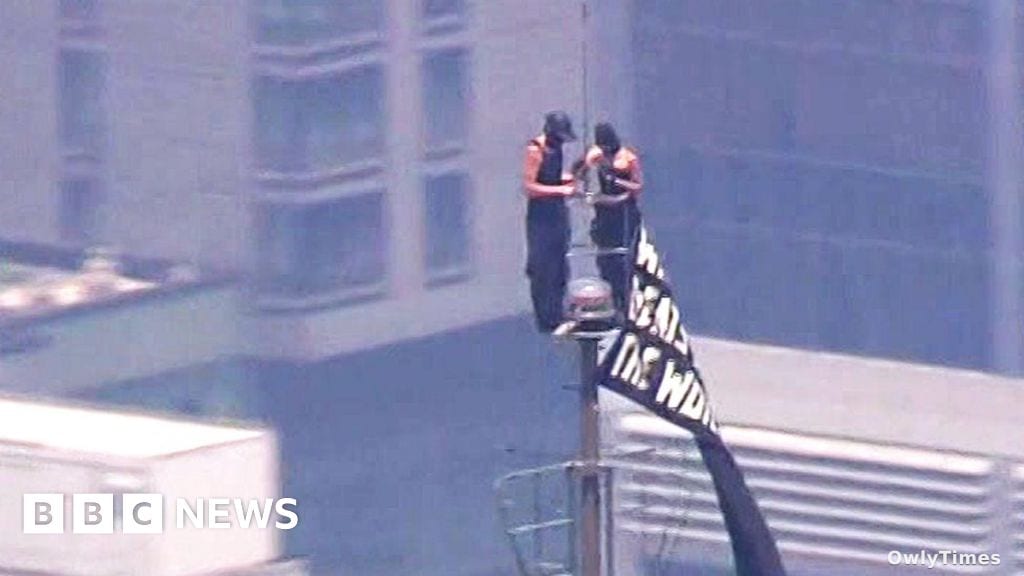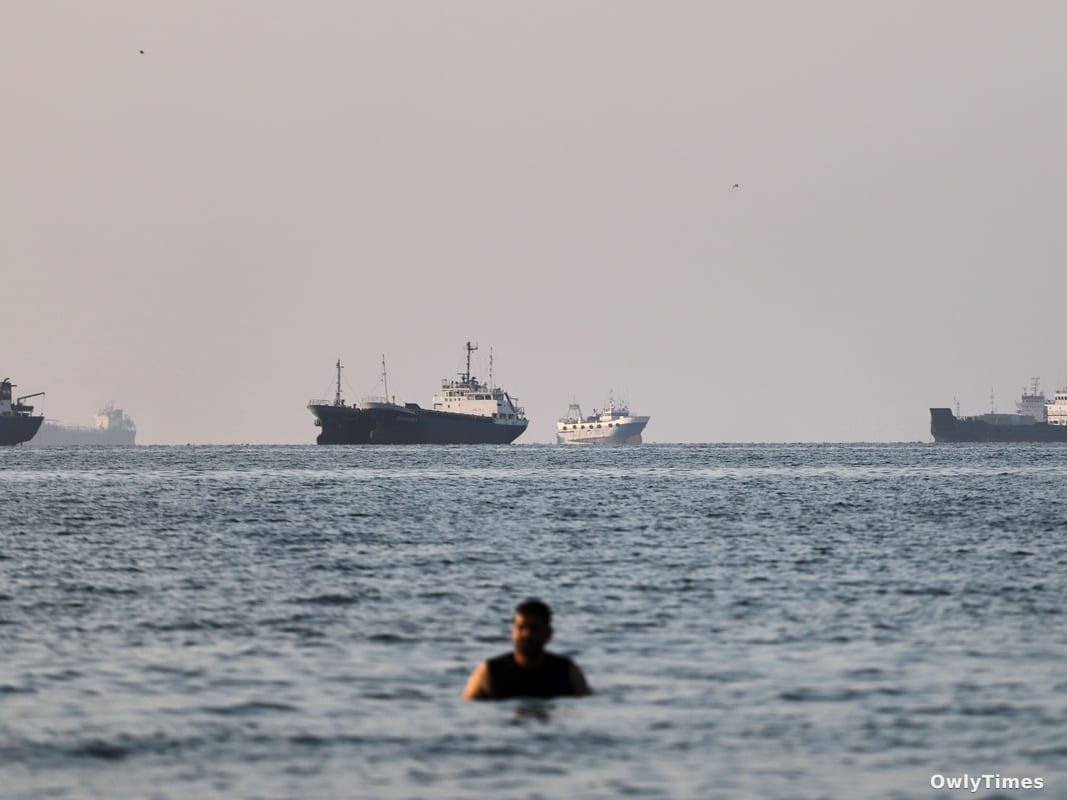

Is the global economy’s most vital artery becoming a digital and kinetic minefield? When we talk about the Strait of Hormuz, we’re essentially discussing the world’s ultimate choke point—a maritime equivalent of a server farm’s single, un-redundant fiber-optic cable that, if severed, sends the entire network into a tailspin.
The real story here isn’t just the fire on a tanker off the coast of Oman; it’s the collapse of a fragile "digital-age" peace treaty that was supposed to keep the oil flowing through technical cooperation rather than ballistics. According to Al Jazeera and the BBC, a liquefied natural gas tanker caught fire early Tuesday after being struck by a projectile near Limah, Oman. While the UK Maritime Trade Operations (UKMTO) confirmed the hit occurred on the port side of the vessel, Axios reported via U.S. officials that at least two commercial ships were struck by missiles on Monday night. CNBC noted that while the UKMTO reported one incident, the U.S. accounts suggest a broader scale of assault, leaving analysts to reconcile conflicting reports on the exact number of vessels targeted.
The Cost of Navigational Control
The tension isn't just about territory; it’s about the "user agreement" for the sea. Before the US-Israel war began on February 28, the Strait handled roughly 20% of the world’s oil and natural gas supply, according to NPR. Under an interim deal signed at the Palace of Versailles, ships were supposed to pass without tolls for 60 days, as reported by The Independent. However, Tehran has attempted to upend this status quo by demanding control over routes and floating proposals for administrative fees—a move NBC News notes has been met with firm resistance from the White House.
Secretary of State Marco Rubio explicitly stated that tolling an international waterway violates existing law, yet Iranian state media has suggested the attacks were a response to vessels ignoring "warnings" to stick to Tehran-approved transit lanes. It’s a classic case of proprietary "walled garden" logic applied to international geography: Iran is effectively trying to mandate a "toll-road" architecture in a space that the U.S. insists must remain an "open-source" public utility.
Market Volatility and Political Deadlock
For the ordinary user, this isn't just geopolitical theater; it’s reflected in the price at the pump. Following the reports, international benchmark Brent crude futures jumped 1.5% to $73.09 per barrel, per CNBC. President Donald Trump has signaled a binary outcome, telling reporters on Monday that the U.S. would either reach a deal or "finish the job," threatening to dismantle Iran’s energy infrastructure within an hour.
The situation is further complicated by the power vacuum in Tehran following the death of Ayatollah Ali Khamenei. As NPR reports, the country is in a state of mourning until Thursday, with the new Supreme Leader Ayatollah Mojtaba Khamenei yet to make a public appearance. Iranian Foreign Minister Abbas Araghchi has signaled that negotiations will remain frozen as long as U.S. threats persist, effectively putting the entire regional peace process in "read-only" mode.
If this trajectory holds, expect the next trigger to be the conclusion of the mourning period this Thursday. Until the burial of the late leader at the Imam Reza shrine is complete, diplomatic channels are effectively offline, leaving the Strait of Hormuz to be governed by the logic of the projectile rather than the rule of law.