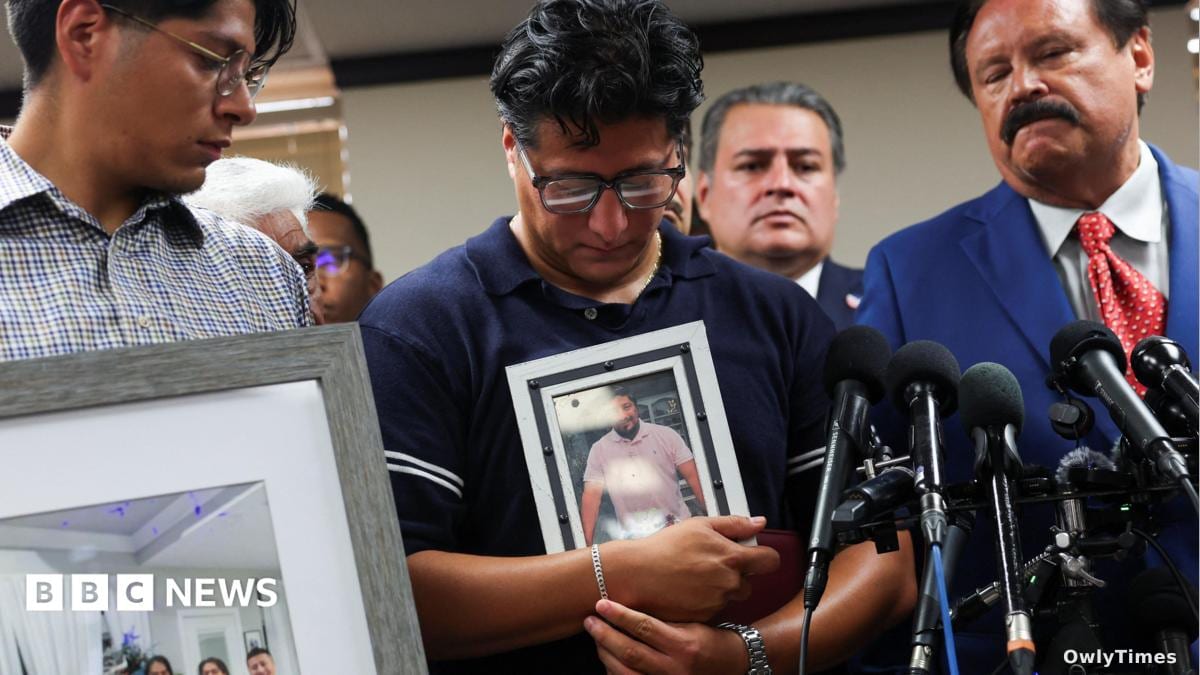

If the federal government can take a life in the middle of a city street without leaving behind a single frame of body-camera footage, do we really have a system of justice, or just a series of conflicting press releases? The fatal shooting of Lorenzo Salgado Araujo, a 52-year-old construction worker, by Immigration and Customs Enforcement (ICE) agents in Houston last Tuesday has exposed a terrifying gap between bureaucratic narrative and reality. The real story here isn't the confusion of an enforcement operation gone wrong—it’s the total lack of transparency that allows federal agencies to operate in a dark zone where ordinary residents, not just criminals, become collateral damage.
According to the BBC, the Department of Homeland Security (DHS) initially claimed that agents were conducting a targeted operation and that Salgado Araujo had "weaponized" his van to run over an officer, forcing a self-defense shooting. However, this version of events is being flatly contradicted by the three men who were inside the van with him. As reported by CBS News, their attorney, Hugo Balderas-Ibarra, stated that the witnesses confirmed no agent was ever in front of the vehicle, and the fatal shots were fired from the side.
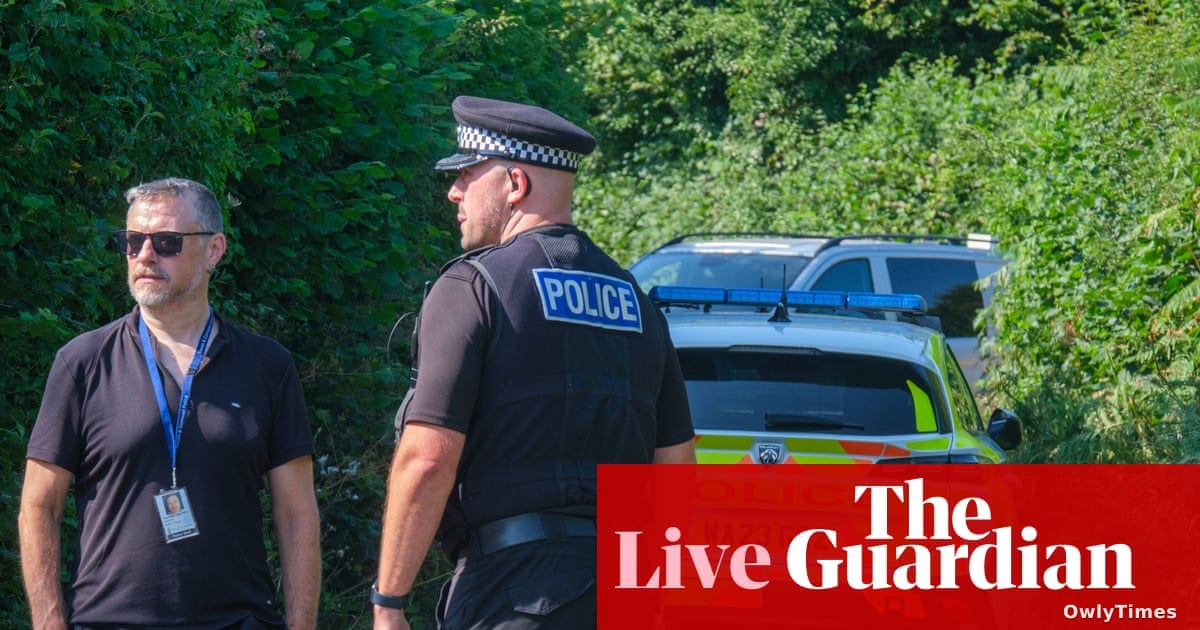
The discrepancies don't end there. While DHS maintains they were following a "credible tip" regarding a target they had surveilled for weeks, The Independent reports that officials now admit Salgado Araujo was not the intended target of the stop. The agency’s justification—that they saw someone in his van who "resembled the target"—feels like a flimsy excuse for a catastrophic error. Compounding the skepticism is the fact that none of the involved officers were wearing body cameras. DHS claims that half of its field officers currently lack this equipment, blaming the shortfall on "back-to-back Democrat shutdowns," according to CBS News.
For the residents of Houston, this incident feels less like a targeted operation and more like an aggressive encroachment on daily life. NPR highlights that community groups, such as the Houston-based FIEL, have reported a recent spike in ICE sightings, noting that agents frequently target working-class neighborhoods during the early morning hours as people commute to work. Cesar Espinosa, the executive director of FIEL, described the situation as a "bleak outlook," where the increased presence of federal agents has transformed once-safe neighborhoods into places of fear.
The legal fallout is already escalating. The BBC notes that the FBI is leading an investigation into the alleged assault on the federal officer, while the DHS Office of Inspector General is looking into the shooting itself. Meanwhile, the Mexican government has signaled its intent to file criminal complaints, with Foreign Minister Roberto Velasco stating that 14 Mexicans have died in ICE custody and three more during "arrest operations" under the current administration.
Perhaps most concerning is the pressure reportedly being placed on the primary witnesses. According to The Independent, the men who survived the shooting are being pressured to sign deportation orders, a move that would effectively silence them before they can testify in any meaningful inquiry. While an ICE spokesperson told CBS News that the claim of pressure to self-deport is "categorically false," the witnesses' attorney remains adamant that their removal would destroy the integrity of the investigation.
The tech industry loves to sell us on the idea that more data equals more truth, but in the case of federal immigration enforcement, the absence of data is a policy choice. We are left with a situation where a man who had lived in the U.S. for 35 years is dead, and the only people who know exactly what happened are being fast-tracked for removal. The trigger for the next phase of this crisis will be the potential deportation of these witnesses; if they are removed from the country, the last remaining thread of independent testimony will be severed, effectively burying the truth of what happened on that Houston street.