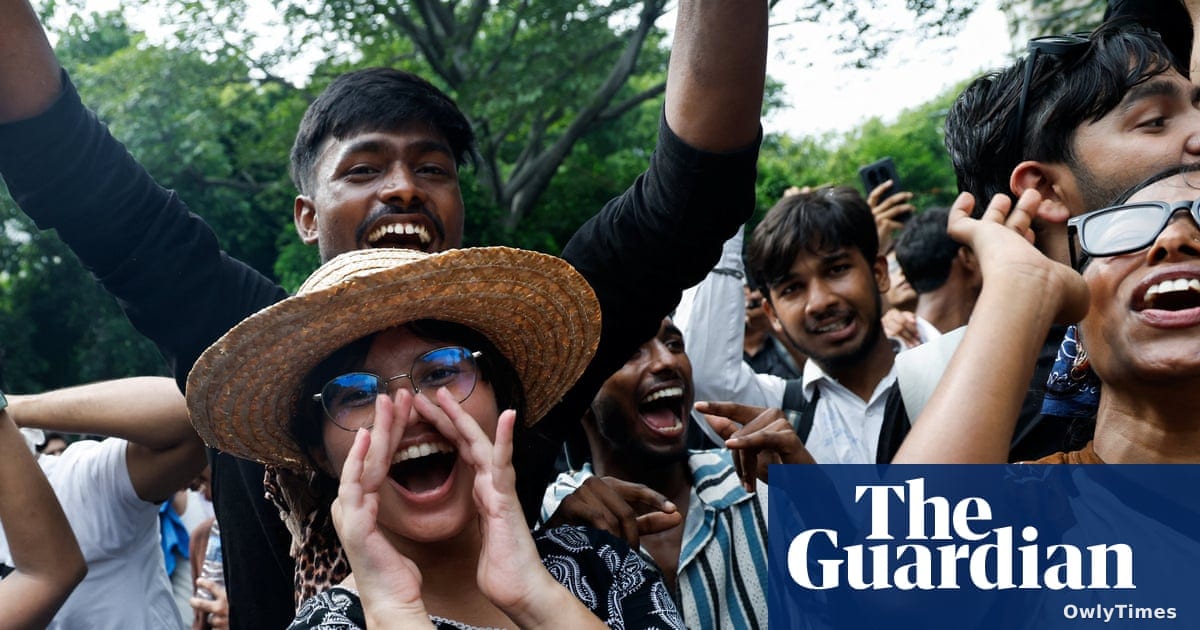

The resignation of India’s Education Minister, Dharmendra Pradhan, on Saturday represents a calculated retreat by the government of Prime Minister Narendra Modi, marking the first instance in his 12-year tenure that a cabinet minister has been forced out by sustained, bottom-up public pressure. The strategic calculus behind this move is evident: by sacrificing a loyalist, the Bharatiya Janata Party (BJP) aims to stabilize a volatile youth demographic that has successfully weaponized digital mockery and mass mobilization to bypass traditional political gatekeepers.
The "who benefits" calculation is clear: the Cockroach Janta Party (CJP), a nascent political movement, has achieved a structural victory that transcends the single issue of exam integrity. By forcing a resignation that the government initially ignored, the movement has validated its unconventional tactics of satire and persistence. Conversely, the BJP suffers a tangible loss of the "strongman" aura that has been central to its governance model, as the administration was effectively backed into a corner after weeks of deadlock, according to The Guardian.
Both The Guardian and CBS News confirm that the resignation followed a week of escalating demonstrations, with CJP leadership explicitly calling off their protests following a meeting with senior BJP ministers. However, the scope of the government's concession remains a point of nuance. While The Guardian reports the movement demanded systemic reform, CBS News adds that the government agreed to specific auxiliary demands, including compensation for the families of students who died by suicide and a pledge of amnesty for protesters.
The Digital Frontline and Generational Shifts
The movement’s success is rooted in a fundamental shift in political communication. As noted by ABC News, the CJP turned the Prime Minister’s own reliance on social media branding against him. Protesters utilized viral memes, parody videos of government officials, and fitness-app tracking data to document their interactions with police, transforming the protest site at Jantar Mantar into a hub for "Gen Z" political activism.
This digital strategy represents a departure from historical modes of dissent in India. Where previous movements often focused on traditional lobbying or established opposition structures, the CJP’s approach mirrors the rapid, irony-laden discourse typical of contemporary online culture. ABC News highlights that mocking the Prime Minister—once a rare occurrence—has become a central pillar of the movement, effectively neutralizing the intimidation tactics that often silenced earlier dissenters.
Accountability and the Limits of Power
The resignation comes after a violent crackdown on Monday, where police used tear gas and batons to disperse thousands marching toward Parliament. CBS News reports that the ensuing injuries served to intensify, rather than quell, public anger. This cycle of escalation—police violence leading to larger, more defiant crowds—forced the government to shift from its initial posture of dismissal to one of negotiation.
The political chess move to watch next is whether the government’s promised "fast-track" legal measures and education reforms will satisfy the CJP’s broader demands for systemic change, or if this victory merely serves as a catalyst for a more permanent youth-led opposition. As CJP founder Abhijeet Dipke noted, the resignation is "just the beginning," signaling that the movement’s next phase will likely target deeper legislative overhauls of the examination and employment systems.