
The Calculated Risk: Signaling Resolve Through a High-Stakes Rescue
The immediate narrative surrounding the rescue of two U.S. aviators shot down over Iran is one of daring heroism. However, framing this solely as a humanitarian operation obscures the underlying strategic calculus: a deliberate demonstration of capability and resolve aimed directly at Tehran. The seven-hour extraction of the first pilot, conducted “in broad daylight” as Donald Trump emphasized, wasn’t merely about saving a life; it was about sending an unmistakable signal regarding the limits of Iranian action and the lengths to which the United States is prepared to go to protect its personnel, even within hostile territory. The 24-hour silence from the White House and Pentagon wasn’t a failure of communication, but a necessary condition for the operation’s success – and a calculated withholding of information to maximize the psychological impact once revealed.
Deception as a Force Multiplier: The CIA’s Role in Obscuring Reality
The involvement of the CIA in actively misleading the Iranian government – spreading false information about already locating the second downed pilot – reveals a critical dimension of this operation. This wasn’t simply a military rescue; it was an intelligence operation designed to disrupt Iranian efforts to exploit the situation for propaganda or leverage. The agency’s move speaks to a broader understanding within the U.S. security apparatus that information warfare is now inextricably linked to kinetic action. By creating confusion and diverting Iranian resources, the CIA bought crucial time for the second pilot to remain concealed in the mountains and for extraction plans to be finalized. This tactic echoes historical precedents, notably the elaborate deception campaigns employed by the Allies during World War II – operations like Operation Bodyguard, designed to convince Germany that the invasion of Normandy was a diversion.
Source material: PBS.
Who Benefits and Who Loses in the Aftermath?
The immediate beneficiary is the Trump administration, which can now claim a significant victory in a volatile region. The rescue provides a potent symbol of American strength and commitment, potentially bolstering domestic support and reassuring allies. Iran, conversely, suffers a demonstrable loss of face. The successful incursion into its airspace and the humiliation of being outmaneuvered by U.S. intelligence undermine its narrative of regional dominance. However, the long-term consequences are more nuanced. While the rescue may deter further direct attacks on U.S. assets, it simultaneously escalates the risk of miscalculation. Iran may feel compelled to respond, not necessarily with a direct military confrontation, but through proxy forces or intensified cyberattacks. Regional partners like Saudi Arabia and Israel, who have long advocated for a firmer stance against Iran, will likely see this as a positive development, potentially emboldening them to pursue more aggressive policies. The pilots themselves, of course, benefit from their rescue, but their experience also underscores the inherent dangers of operating in a highly contested airspace.
The Cost of Success: Operational Challenges and Concealed Risks
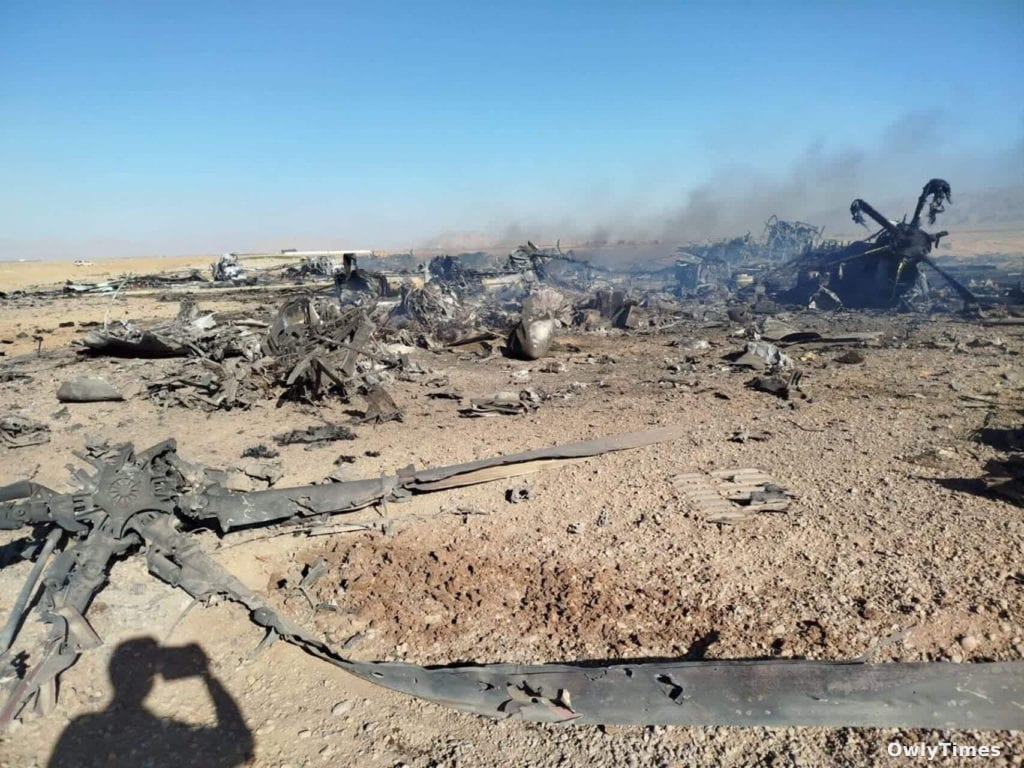
Trump’s description of the rescue as “cinematic” glosses over the significant operational challenges faced by the rescue teams. The fact that two Black Hawk helicopters came under fire, and that two transport planes had to be deliberately destroyed to prevent them from falling into enemy hands, indicates a far more precarious situation than the celebratory rhetoric suggests. The destruction of aircraft, while preventing a potential intelligence breach, represents a substantial material loss and a tacit acknowledgement of the risks involved. This raises questions about the intelligence assessments that preceded the mission: were the risks fully understood, and were adequate contingency plans in place? The silence surrounding the specific nature of the infrastructure targeted in the broader strikes across the Mideast – mentioned in the initial reporting – further suggests a deliberate effort to control the narrative and minimize potential backlash.
The Next Move: Monitoring Iranian Response and Regional Alignment
The immediate political chess move to watch is Iran’s response. Will Tehran opt for a measured reaction, perhaps through diplomatic channels, or will it escalate tensions through its network of proxy forces in Syria, Lebanon, and Yemen? The timing and nature of that response will be crucial in determining whether this incident represents a contained escalation or the beginning of a wider conflict. Equally important is observing how regional actors align themselves in the wake of the rescue. Will Saudi Arabia and Israel capitalize on the perceived U.S. strength to push for more aggressive policies towards Iran? Or will they adopt a more cautious approach, recognizing the inherent risks of further escalation? The coming weeks will reveal whether this daring rescue operation has successfully deterred Iran or simply laid the groundwork for a more dangerous confrontation.





