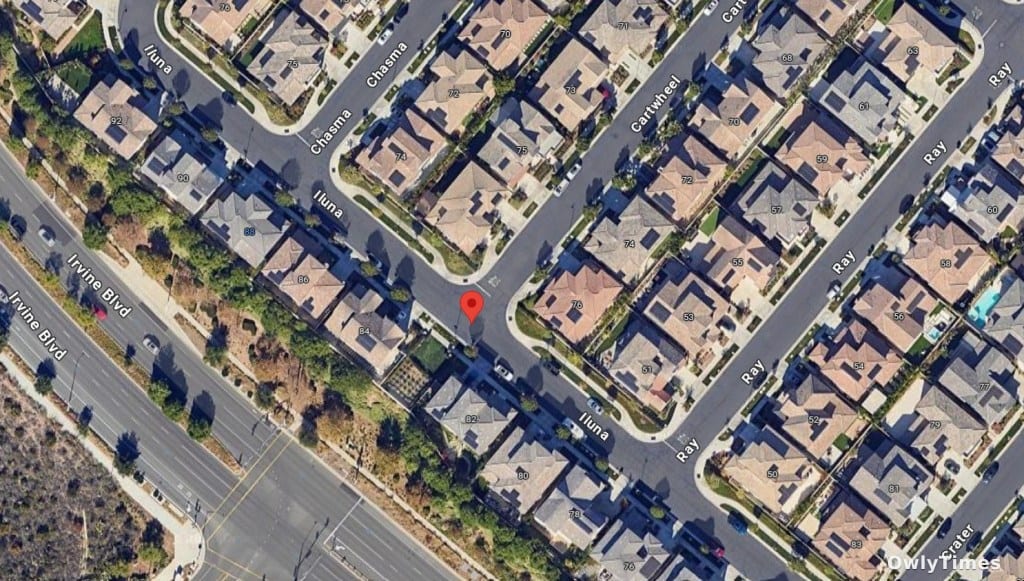

The incident unfolding in Irvine, California, isn’t simply about a teenager experimenting with chemicals; it’s a stark reminder of the increasingly accessible tools for potentially dangerous amateur science, and the complex challenge of balancing youthful curiosity with public safety. While initial reports focus on a “homemade science lab” discovered in a rented home near the Great Park, the scale of the response – involving the FBI’s Hazardous Evidence Response Team, the Orange County Fire Authority, and even a Weapons of Mass Destruction Civil Support Team – suggests this is far from a typical adolescent mishap. The question isn’t if such incidents will happen again, but whether current protocols are sufficient to detect and mitigate risk before a situation escalates.
On February 23rd, the Irvine Police Department received a call from the landlord of a property on Cartwheel near Iluna, reporting “suspicious items.” This led to the arrival of the Orange County Fire Authority, who subsequently requested the involvement of the FBI. According to FBI spokeswoman Lourdes Arocho, the bureau’s Evidence Response Team and Hazardous Evidence Response Team are working jointly with local authorities. The initial police statement clarifies the situation began when “a juvenile at the residence mixed unknown chemicals,” but the nature of those chemicals, and the extent of the lab, remain largely undisclosed. Images from the scene depict a significant law enforcement presence, including multiple unmarked vehicles and a tented area established outside the home, indicating a meticulous and cautious approach to containment and analysis.
Reporting from ocregister.com informs this analysis.
The immediate reassurance from authorities – that “there is no known threat to public safety” – is crucial, yet it doesn’t address the underlying anxieties within the Altair community, located across from Portola High School. The deployment of the National Guard’s Weapons of Mass Destruction Civil Support Team, as reported by KCBS Channel 2, understandably raises concerns, even if officials maintain the situation is under control. It’s important to understand that these teams aren’t deployed for routine incidents; their presence signals a potential for hazards beyond the scope of standard hazmat protocols. The fact that neighbors observed personnel wearing identifying shirts speaks to the seriousness with which the situation is being treated, and the need for specialized expertise.
This incident also echoes a previous, unsettling event in Irvine 26 years ago. In 2000, authorities discovered 27 canisters containing plastic explosives and other hazardous materials in the home of Dr. Larry Ford in Woodbridge. That case resulted in a four-day evacuation of 52 homes and ultimately, Dr. Ford’s death by suicide. While officials emphasize this is an unrelated incident, the historical parallel serves as a potent reminder of the potential for hidden dangers within seemingly ordinary residential areas. The 1999 Woodbridge case involved deliberate stockpiling of explosives, whereas the current situation appears to stem from experimentation, but both underscore the vulnerability of communities to unforeseen hazards. The Woodbridge evacuation affected 250 residents, a figure that highlights the disruptive potential of even localized hazmat incidents.
What Investigators Are Analyzing and Why It Matters
Currently, investigators are focused on analyzing the substances found at the Irvine residence. The precise nature of these chemicals is unknown, but the extensive response suggests they may be unstable, toxic, or potentially explosive. The FBI’s Hazardous Evidence Response Team specializes in identifying and safely handling dangerous materials, a process that involves sophisticated analytical techniques and strict safety protocols. It’s crucial to remember that simply identifying a chemical isn’t enough; investigators must also determine its concentration, stability, and potential for reaction with other substances. This detailed analysis is essential not only for containing the immediate hazard but also for understanding the intent and capabilities of the individual involved.
Limitations to Consider
It’s important to approach this situation with a degree of caution. While the authorities are providing updates, much of the information remains limited. The focus on the juvenile’s actions shouldn’t overshadow the responsibility of adults in the household to ensure a safe environment. The availability of chemicals and equipment necessary to create even a rudimentary “science lab” raises questions about oversight and access. Furthermore, the incident highlights the challenges of balancing the encouragement of STEM education with the need to prevent dangerous experimentation. Simply restricting access to chemicals isn’t a viable solution; instead, a more nuanced approach is needed that emphasizes safety protocols, responsible experimentation, and the potential consequences of reckless behavior.
Future Steps and Ongoing Concerns
The immediate priority is the safe removal and disposal of any hazardous materials. However, the investigation will likely extend beyond the physical cleanup. Authorities will need to determine how the juvenile acquired the chemicals and equipment, and whether any laws were violated. This incident should prompt a review of local and state regulations regarding the sale and possession of potentially dangerous substances. More broadly, it raises a critical question: how can we better identify and support young people who demonstrate a strong interest in science, while simultaneously mitigating the risks associated with unsupervised experimentation? The next phase of research should focus on developing educational programs that promote safe scientific practices and provide alternative outlets for curiosity and innovation. We should also be watching for similar incidents in other communities, and assessing whether current emergency response protocols are adequate to address the evolving landscape of amateur science.





