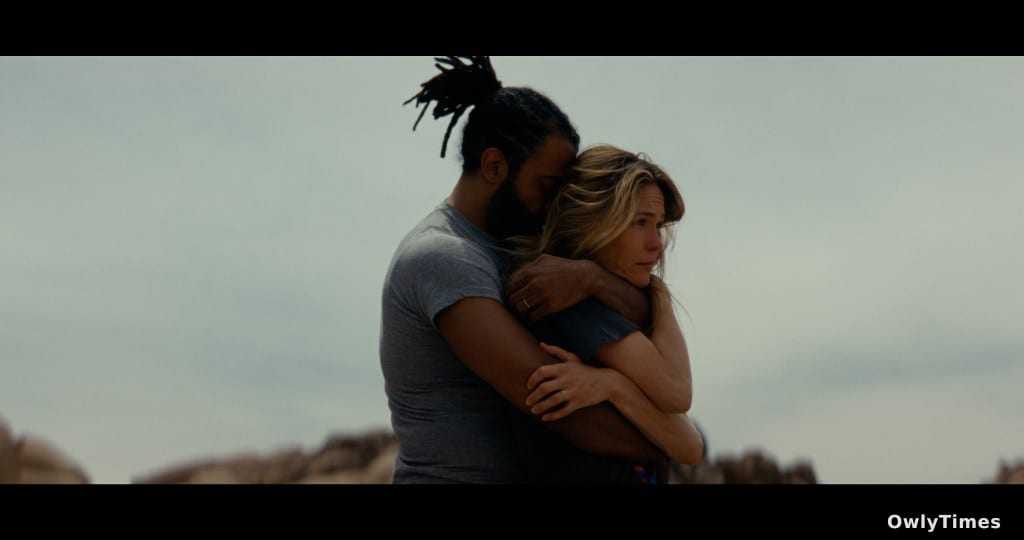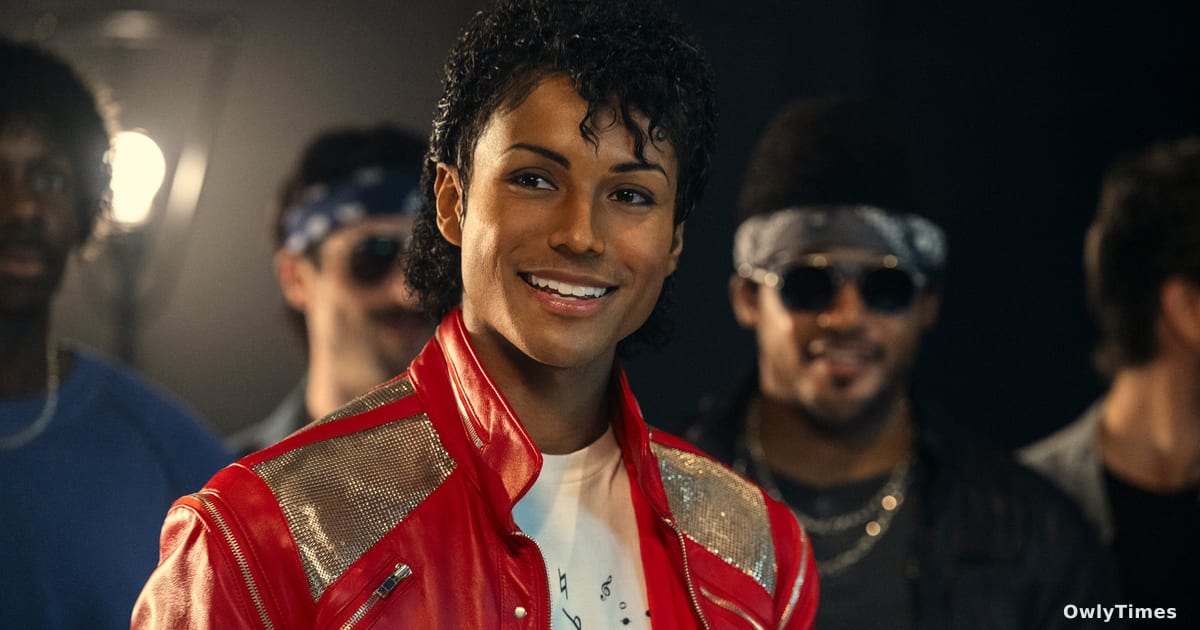

When I first heard the rumors of yet another attempt to capture the life of the King of Pop on screen, my immediate reaction was a weary skepticism. We have seen this genre stumble before—who could truly erase the memory of Flex Alexander in that ill-fated 2004 television movie? Yet, sitting in a screening room in Los Angeles, watching Jaafar Jackson step into his uncle’s shoes, that cynicism began to fracture. There is a genetic alchemy at play here, a shared swagger that defies simple imitation, and when paired with the gravitas of Colman Domingo as Joe Jackson and Nia Long as Katherine Jackson, the film Michael demands to be taken seriously.
The Weight of a Patriarchal Shadow
The film makes no attempt to sanitize the brutal reality of the Jackson household’s early days. As the story unfolds, we see a young Joe Jackson, portrayed by Domingo with a chilling, blue-collar intensity, obsessed with shielding his children from the harshness of Gary, Indiana. When I sat down with Domingo, he offered a perspective that complicates the villainous archetype we’ve come to expect. “Being from a blue-collar family, raising all those children in Gary, Indiana, and wanting the best for them, wanting them not to succumb to the things of the inner city,” he told me.
Domingo frames the abuse not as mere cruelty, but as a distorted expression of survival. It’s a tension that hits home for many; as an African American woman, I recognized that specific, desperate pressure—the kind that prioritizes discipline over tenderness in a world that rarely offers grace to Black families. While it does not absolve the trauma, it forces the audience to grapple with the generational patterns of fear and ambition that fueled Michael’s rise.
The Quiet Strength of Katherine
While Joe dominates the early scenes with his iron fist, Nia Long’s portrayal of Katherine Jackson provides a necessary, if quiet, counterweight. The common critique of Katherine has always been a question of complicity: why didn’t she do more to shield her children? Long argues that we are misinterpreting the role of a woman in that era. “These are hardworking Black women… raising children while trying to raise themselves at the same time,” Long explained to me.
For her, Katherine was the family’s anchor, providing a sense of safety that wasn't found in confrontation, but in presence. In a landscape where Black women were rarely afforded the luxury of protection, Long’s performance suggests that Katherine’s “quiet” was a survival strategy of its own. It’s a nuanced take that shifts the narrative from blame to the harsh constraints of the time.
A Legacy Caught Between Art and Accountability
Director Antoine Fuqua leans heavily into the spiritual dimension of Jackson’s artistry, portraying his retreat into nature and literature at Neverland as a quest for the divine. Fuqua told me that research into Jackson’s life revealed a man who sought to be “closer to God,” a detail that adds a layer of melancholy to the spectacle. However, as the film progresses, the absence of key figures like Janet Jackson—who, according to LaToya Jackson in an interview with Variety, declined to be involved—creates a void that the polished, supportive portrayal of the other siblings cannot quite fill.
The film covers the period from the 1960s through 1988, stopping short of the later years that are defined by the multiple sexual abuse allegations that still hang over his legacy. By focusing on the makings of the artist rather than the collapse of the man, the film operates as a high-gloss, carefully curated highlight reel. Jaafar Jackson’s performance is nothing short of a revelation, his physical mimicry so precise it occasionally induces a state of surrealism. Yet, as the final credits roll, one has to wonder if we are witnessing a genuine portrait or a carefully managed corporate project. Whether the public is ready for another installment or a deeper dive into the darker, unanswered questions of his life remains to be seen; for now, the industry is betting that audiences are still hungry for the magic of the performance, even if the man himself remains an enigma.