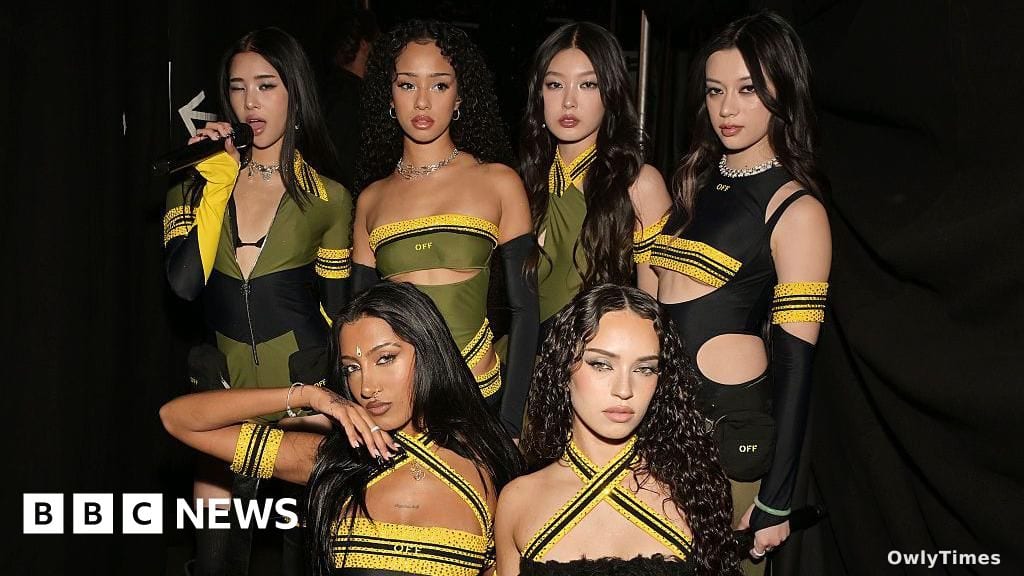

The stage lights of the 2026 Grammys had barely cooled when Katseye, the globally-ascendant girl group, delivered news that felt less like a band announcement and more like a quiet surrender. Not a breakup, not a scandal, but a “temporary hiatus” for member Manon Bannerman, ostensibly to focus on her health. But in an industry built on manufactured resilience, where vulnerability is often framed as weakness, the timing – and the context – suggests something far more complex than a simple need for self-care. This isn’t just about one pop star needing a break; it’s a stark illustration of the brutal cost of engineered fame in the age of hyper-connectivity.
The Illusion of Control in a Global Machine
Katseye’s trajectory has been nothing short of meteoric. Formed in 2023 through the reality competition The Debut: Dream Academy, the six-member group – Daniela Avanzini, Lara Raj, Megan Skiendiel, Sophia Laforteza, Yoonchae Jeung, and Manon Bannerman – quickly amassed a dedicated fanbase, releasing two EPs and a string of singles that culminated in Grammy nominations for Best New Artist and Best Pop Duo/Group Performance with “Gabriela.” That kind of rapid ascent, however, doesn’t happen organically. It’s the product of a carefully calibrated machine – a joint venture between industry giants HYBE and Geffen Records – designed to manufacture global superstars. And that machine, it turns out, doesn’t account for the human toll. Bannerman’s carefully worded statement – “Sometimes things unfold in ways we don't fully control, but I'm trusting the bigger picture” – reads less like empowerment and more like resignation. The “bigger picture” is a corporate strategy, not personal wellbeing.
Beyond the Death Threats: The Dystopian Reality of Fandom
The group has been remarkably candid about the darker side of their success. Lara Raj’s chilling admission to the BBC – “I try to tell myself it doesn't matter, but if 1,000 people are sending you death threats, it's jarring” – isn’t an isolated incident. It’s a symptom of a deeply troubling trend. The parasocial relationships fostered by social media platforms like WeVerse, while valuable for fan engagement, also create an environment where boundaries blur and obsessive behavior flourishes. Raj’s description of fans viewing the group as “women to rank” is particularly disturbing, revealing a dehumanizing dynamic where individual worth is reduced to metrics of popularity. This isn’t simply “online negativity”; it’s a form of gendered violence enabled by the architecture of modern fandom. The fact that a group nominated for major awards is grappling with this level of harassment speaks volumes about the industry’s failure to protect its artists.
See the original the BBC story for the full account.
The Industry’s Response: Support or Self-Preservation?
HYBE and Geffen Records’ statement – “We fully support this decision. Katseye remains committed to showing up for one another and for the fans who mean everything to us” – feels…calculated. While outwardly supportive, the emphasis on continuing scheduled performances during Bannerman’s absence raises questions. Is this genuine concern for her wellbeing, or a pragmatic attempt to minimize financial disruption? The K-pop industry, in particular, has a long history of prioritizing group image and profitability over individual artist health, often pushing performers to their physical and emotional limits. Katseye’s continued schedule suggests a similar approach, albeit softened by a Western PR lens. The lack of a timeline for Bannerman’s return further fuels this suspicion. A truly supportive environment would prioritize her recovery without the pressure of looming deadlines.
What Happens When the Dream Factory Cracks?
Manon Bannerman’s hiatus isn’t an anomaly; it’s a warning sign. It’s a crack in the carefully constructed façade of the global pop machine, revealing the immense pressure cooker that lies beneath. The industry needs to move beyond performative allyship and address the systemic issues that contribute to artist burnout and mental health crises. Will labels invest in robust mental health support systems for their artists? Will they actively combat online harassment and hold platforms accountable for fostering toxic environments? Or will they continue to prioritize profits over people, waiting for the next star to falter under the weight of manufactured fame? The future of groups like Katseye – and the wellbeing of the artists within them – depends on the answers. We’ll be watching to see if this moment sparks genuine change, or simply becomes another cautionary tale swept under the rug of the entertainment industry.