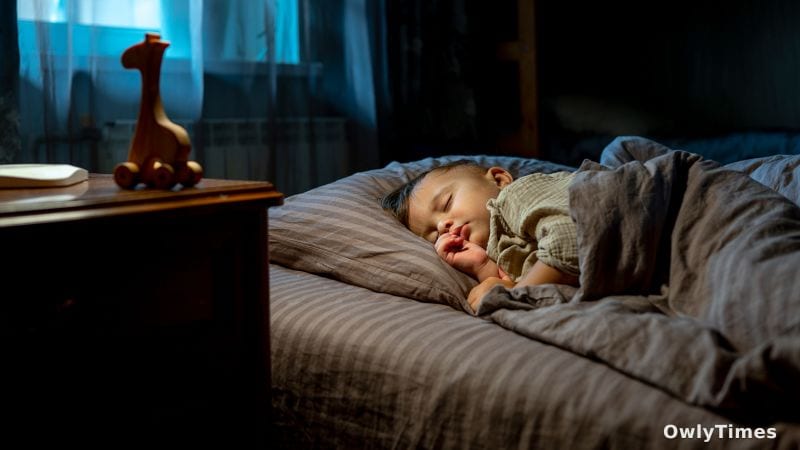

The sheer volume of parental concern surrounding children’s sleep is striking – yet, despite constant thought and even a willingness to spend money to improve it, a significant number of American children aren’t getting the rest they need. A new National Sleep Foundation poll reveals that 44% of children don’t consistently meet recommended sleep durations, a figure that underscores a disconnect between awareness and practice. This isn’t simply a matter of tired kids; it’s a public health issue with implications for development, family well-being, and even the establishment of healthy sleep patterns for life. The poll, conducted between September 12 and October 5 with 977 caregivers, isn’t breaking new ground in what sleep recommendations are – the Foundation has long advised 14-17 hours for newborns, decreasing to 9-11 for school-aged children – but in illuminating why those recommendations aren’t being met, and the surprisingly pervasive impact on the entire household.
The headline figure of 44% under-sleeping masks a crucial nuance: younger children are disproportionately affected. Parents of infants and toddlers, particularly those under three months old, significantly underestimated their children’s sleep needs, with 78% falling short of recommended hours by more than an hour on average. This isn’t necessarily a sign of neglect, but rather a reflection of the often-murky reality of early sleep patterns and a lack of clear guidance. It’s easy to assume a content, albeit briefly sleeping, baby is adequately rested, but the science suggests otherwise. Joseph Dzierzewski, senior vice president of research and scientific affairs at the National Sleep Foundation, emphasizes that sleep in early years isn’t an isolated behavior; it’s a foundational element of both immediate and long-term health, shaping mental and physical development and influencing sleep architecture for decades to come. The willingness of 61% of parents to pay an average of $71 for a good night’s sleep for their child speaks to the desperation and perceived value of this elusive resource.
What’s particularly noteworthy about this poll isn’t just the sleep deficit, but the multifaceted nature of the problem. Dzierzewski identifies three key areas: parents thinking about sleep frequently, yet children still not getting enough; underestimation of actual sleep needs; and a surprising lack of open conversation about sleep within families. The fact that caregivers spend over two hours a day thinking about their children’s sleep highlights the mental load associated with this issue. It’s a constant background worry, impacting parental well-being, as evidenced by the finding that nearly 80% of parents report their own sleep suffers when their child sleeps poorly. This creates a cyclical pattern of sleep deprivation that affects the entire family dynamic. The poll also reveals a strong connection parents make between sleep and daytime functioning – 69% believe poor sleep impacts a child’s mood and performance, while 86% see improvement with adequate rest.
Drawn from CNN.
The study’s findings align with the observations of pediatric sleep specialists like Laura Sterni, director of the Johns Hopkins Pediatric Sleep Center, who wasn’t involved in the research but confirms this is a long-standing concern. Sterni cautions against the common practice of skipping naps, particularly for younger children, as it often backfires and leads to increased crankiness. Naps remain a significant component of total sleep time, with a majority of children under two years old napping regularly. Beyond naps, establishing consistent routines is paramount. Dzierzewski stresses the importance of not just a regular bedtime, but a predictable bedtime routine – a calming sequence of events that signals to the child that sleep is approaching. This could include dimming lights, reading stories, and verbally narrating the steps of the routine to create a sense of expectation and comfort.
However, simply knowing what to do isn’t enough. The poll reveals a significant gap in communication. Nearly half of caregivers rarely or never discuss the importance of sleep with their children. Framing sleep as a positive health habit, akin to brushing teeth, and focusing on the benefits children can understand – growth, strength, learning, mood regulation – is crucial. This requires a shift in perspective, viewing sleep not as a battle to be won, but as a fundamental need to be nurtured. Moreover, caregivers must model healthy sleep habits themselves. As Dzierzewski succinctly puts it, “Kids are always watching us.” If parents prioritize and respect sleep, children are more likely to do the same.
Looking ahead, research needs to move beyond simply documenting the problem to identifying effective, scalable interventions. What specific strategies can be implemented in diverse family settings to improve sleep hygiene and address parental misconceptions about sleep needs? Furthermore, how can pediatricians be better equipped to provide targeted sleep guidance during routine check-ups? The National Sleep Foundation’s poll serves as a critical reminder that sleep isn’t a luxury, but a necessity – and that addressing the sleep deficit in our children requires a collective effort, starting with a more informed and open conversation about its importance. Will we see a shift in public health messaging to prioritize family sleep, and will that translate into measurable improvements in children’s rest and well-being? That’s the question parents, educators, and healthcare professionals should be watching for in the coming years.