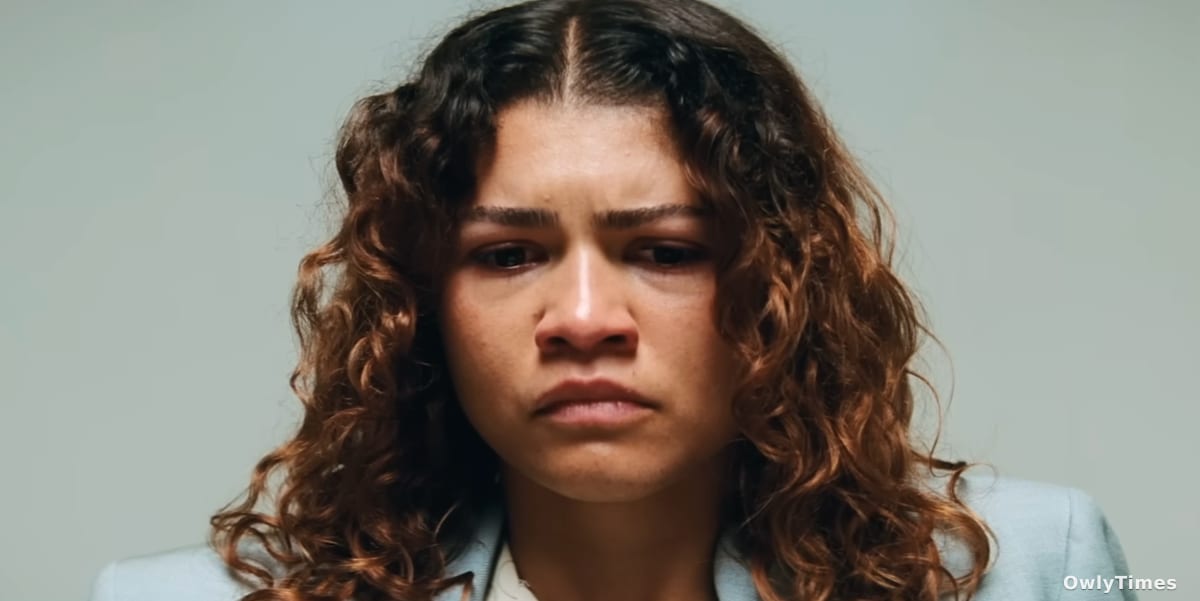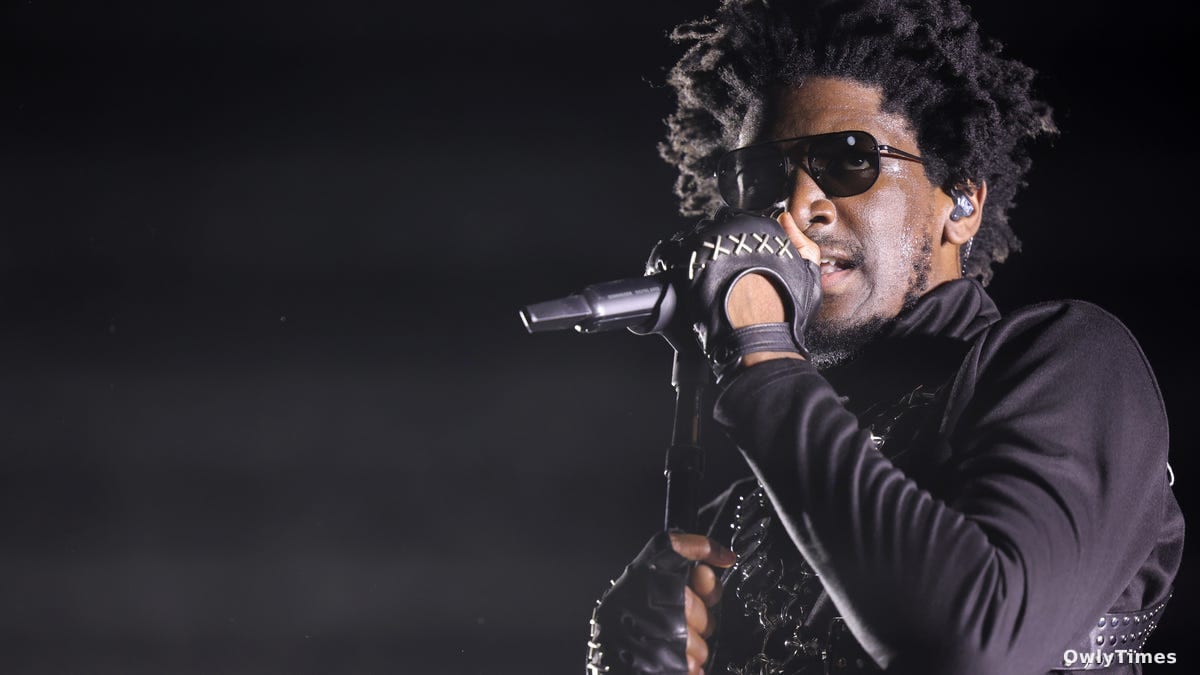

The black square arrived like a digital gut punch. On Friday, March 13th, Labrinth, the Grammy and Emmy-winning musician behind the haunting soundscapes of HBO’s “Euphoria,” didn’t offer a carefully worded statement or a cryptic tweet. He simply posted a stark black image to Instagram declaring, “I’m done with this industry,” followed by a pointed dismissal of both Columbia Records and the show that catapulted him to a new level of recognition. It wasn’t a quiet exit; it was a scorched-earth declaration, and it’s a moment that speaks volumes about the pressures simmering beneath the glossy surface of modern entertainment. This isn’t just a musician frustrated with a label or a show; it’s a creative force seemingly breaking point, and the timing, just weeks before the premiere of “Euphoria’s” highly anticipated third season, is anything but accidental.
The Weight of “Euphoria” and the Creative Contract
Labrinth, born Timothy Lee McKenzie, built a solid career on emotionally raw songwriting. His 2014 single “Jealous” achieved platinum status in the UK, a testament to his ability to connect with audiences through vulnerability. But his work on “Euphoria” – beginning in 2019 – fundamentally altered his trajectory. He wasn’t just contributing songs; he was the sonic architecture of the show, earning two Emmy nominations and one win for his evocative score. The success, however, appears to have come at a cost. The show, known for its unflinching portrayal of addiction, trauma, and teenage angst, demands a level of emotional investment from its creatives that can be draining. While “Euphoria” has become a cultural touchstone, generating an estimated $480 million in economic impact for the city of Los Angeles alone according to FilmLA, the question arises: at what cost to those who build its world? Labrinth’s outburst suggests a feeling of being used, or perhaps, creatively stifled.
Drawn from USA Today.
The specific grievances against Columbia Records remain unclear, but the simultaneous condemnation of “Euphoria” hints at a deeper dissatisfaction. The show’s third season, set five years after the tumultuous events of Season 2, is already generating buzz with the addition of high-profile guest stars like Sharon Stone, Rosalía, and even former NFL player Marshawn Lynch. This influx of celebrity power, while boosting viewership, could also signal a shift in the show’s focus, potentially marginalizing the artistic contributions of those who established its initial identity. The January 14th trailer offered glimpses of a more mature, perhaps even more sensationalized, “Euphoria,” and it’s possible Labrinth felt his artistic vision no longer aligned with the show’s evolving direction.
Beyond the Headlines: The Artist as a Commodity
This isn’t an isolated incident. Labrinth’s public break is part of a larger conversation about the commodification of artists and the pressures of maintaining creative control within a massive entertainment machine. The music industry, in particular, has long been criticized for prioritizing profit over artistic integrity. While streaming services have democratized music distribution, they’ve also drastically reduced revenue for artists, forcing many to rely on lucrative licensing deals and soundtrack work. The success of “Euphoria” – and the subsequent demand for its music – likely placed Labrinth in a position where his creative output was dictated by the needs of the show, rather than his own artistic impulses. This dynamic is increasingly common, particularly for artists working in visual media, where music is often seen as a supporting element rather than a standalone art form.
The inclusion of a diverse range of new faces – Natasha Lyonne, Trisha Paytas, Eli Roth, and Homer Gere among them – in the upcoming season of “Euphoria” could be interpreted as a strategic move to broaden the show’s appeal and attract new audiences. But it also raises questions about the show’s commitment to its original voice and the artists who helped establish it. The entertainment industry thrives on novelty, and established creatives can often find themselves replaced by newer, more marketable talent. Labrinth’s departure feels less like a simple career move and more like a rejection of this system.
What This Means for the Future of Soundtrack Work
Labrinth’s decision to “check out” isn’t just a personal statement; it’s a potential warning sign for the future of soundtrack work. The demand for high-quality, emotionally resonant scores is only increasing, but the conditions under which these scores are created are often opaque and exploitative. Will other artists follow suit, refusing to compromise their creative vision for the sake of commercial success? The industry needs to address the power imbalances that allow shows like “Euphoria” to extract immense value from artists while offering limited creative agency in return. The fact that Labrinth walked away from a project that earned him an Emmy – and significant exposure – speaks to the depth of his frustration.
The premiere of “Euphoria’s” third season on April 12th will undoubtedly be a major cultural event. But as viewers tune in to witness the next chapter of Rue Bennett’s story, they should also consider the unseen costs of creating that story. Will the show’s new soundtrack feel as emotionally authentic without Labrinth’s signature touch? And more importantly, will this moment force a reckoning within the entertainment industry, prompting a more equitable and sustainable model for creative collaboration? The question isn’t just whether “Euphoria” can survive without Labrinth; it’s whether the industry can survive without alienating the artists who give it its soul.