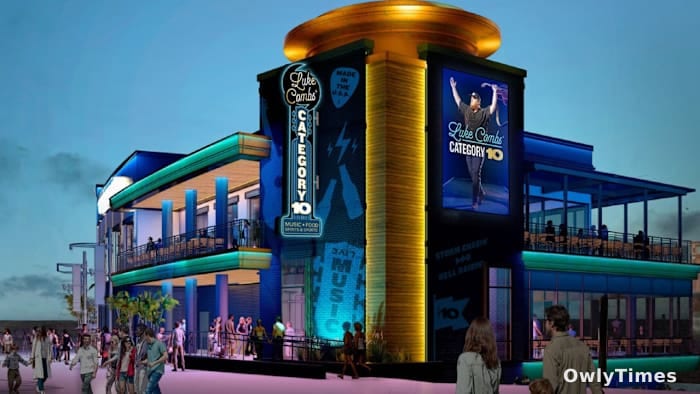

The air in Orlando smells like sunscreen and ambition these days, a potent mix that’s thickening with every new announcement from Universal. But beyond the gleaming renderings of Epic Universe and the promise of a high-speed tunnel courtesy of Elon Musk’s Boring Company, a different kind of expansion is taking shape – one built on the enduring appeal of a very specific brand of country. On February 17th, the news broke: Luke Combs’ Category 10 is coming to CityWalk, a 33,000-square-foot, three-story entertainment venue promising “first-class service and awesome tunes.” It’s a headline that, on the surface, feels like a natural progression for a resort already doubling down on immersive experiences. But look closer, and it reveals a fascinating shift in how entertainment companies are betting on the future of tourism – and who they think will be doing the betting.
The Country Music Tourism Boom
This isn’t just about Luke Combs lending his name to a bar. It’s about capitalizing on a demonstrable surge in country music tourism. While figures for 2026 aren’t yet available, 2025 saw a 15% increase in visitors to Nashville specifically citing country music as a primary driver, according to the Nashville Convention & Visitors Corp. That’s a jump significantly higher than the overall tourism increase of 8% for the city. Category 10, which already has a successful flagship location in Nashville and a forthcoming Vegas outpost, is clearly positioned to ride that wave. Combs’ personal connection to Florida – his wife hails from the state – adds a layer of authenticity that Universal is undoubtedly hoping will resonate with both locals and the millions of tourists who flock to Orlando each year. The venue’s promise of “Carolina-style eats” and free line dancing isn’t just entertainment; it’s a curated experience designed to tap into a specific cultural identity.
This article draws on reporting from clickorlando.com.
Beyond the Hurricane: A Broader Strategy
Universal’s move with Category 10 isn’t happening in a vacuum. It’s part of a larger strategy to diversify its appeal beyond thrill rides and intellectual property. The recent record Q4 earnings for Comcast, driven largely by anticipation for Epic Universe, demonstrate the company’s confidence in Orlando as a major entertainment hub. But Epic Universe, with its focus on immersive worlds like Super Nintendo World and the Wizarding World of Harry Potter, caters to a specific demographic – fans of established franchises. Category 10, however, broadens that reach. It’s a play for the millions who might not be obsessed with wizards or plumbers, but who do connect with the down-to-earth appeal of country music. This is particularly shrewd considering the demographic shifts happening in Florida, where the population is becoming increasingly diverse.
Ole Red and the Evolution of CityWalk
It’s also worth noting that Category 10 won’t be the only country-themed venue at Universal CityWalk. Blake Shelton’s Ole Red has been a fixture there for years, proving the viability of this market. But Category 10 feels different. Ole Red leans heavily into the honky-tonk aesthetic, a vibe that can feel somewhat manufactured. Category 10, inspired by Combs’ more contemporary, relatable persona, aims for a more authentic, immersive experience. The renderings suggest a more modern design, blending seamlessly with the existing CityWalk architecture. This isn’t about replacing Ole Red; it’s about expanding the options and catering to a wider spectrum of country music fans. It’s a subtle but significant evolution of CityWalk’s identity, moving beyond simply being a pre-park hangout to becoming a destination in its own right.
What This Means for the Future of Theme Park Entertainment
The Category 10 announcement isn’t just a win for Luke Combs or Universal. It’s a signal that the future of theme park entertainment will be increasingly focused on experiential offerings that tap into specific cultural niches. We’re moving beyond simply recreating beloved worlds; we’re entering an era where parks are actively creating experiences that resonate with specific communities. The success of Category 10 in Orlando will be a crucial test case. Will the promise of live music, line dancing, and Carolina-style eats be enough to draw crowds? And, more importantly, will it demonstrate that there’s a sustainable market for this type of immersive entertainment? The question isn’t just whether Category 10 will succeed, but whether other artists and entertainment companies will follow suit, transforming theme parks into even more diverse and culturally rich destinations. Will we see a dedicated K-Pop zone at a major park? A Latin music-themed district? The possibilities, like the Florida sunshine, feel endless.