
The Calculus of a Tax Cut: Isle of Man’s Budget Reveals a Power Play
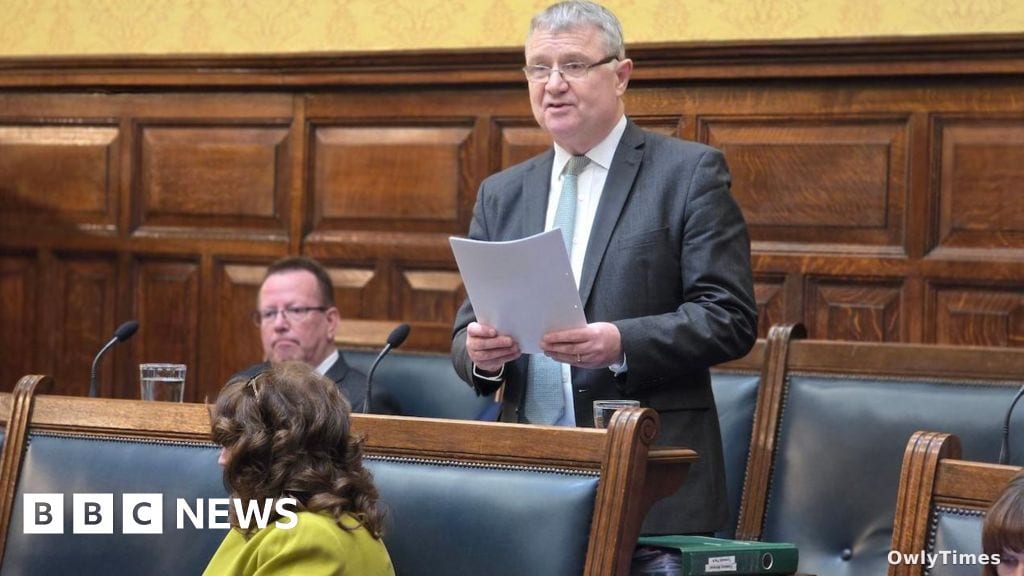
The £2,250 increase to the personal allowance on the Isle of Man, championed by Treasury Minister Chris Thomas and passed by Tynwald this week, isn’t simply a tax cut; it’s a calculated maneuver to consolidate power and redefine the island’s fiscal priorities. While framed as a benefit for working families – a promise of nearly £500 annually for many taxpayers – the move strategically leverages popular appeal to offset deeper, more contentious decisions regarding the island’s reserves and escalating healthcare costs. The immediate political calculus is clear: deliver a visible win to the electorate while simultaneously navigating a structural deficit and a looming healthcare funding crisis.
Drawn from the BBC.
The immediate beneficiaries are, ostensibly, Manx taxpayers. However, a closer look reveals a more nuanced distribution of gains and losses. Alfred Cannan, the Chief Minister, explicitly linked the tax cut to economic stimulus, arguing that “investing in people” through tax reductions would “increase the value of the economy.” This echoes the supply-side economic theories popularized in the 1980s, a strategy predicated on the belief that lower taxes incentivize work and investment. But the cost – a £25 million annual hit to revenue, funded by a £126 million drawdown from reserves totaling £1.95 billion – raises questions about long-term sustainability. Those who lose, or risk losing, are future generations who may inherit a depleted reserve fund and the burden of addressing deferred fiscal challenges. The immediate political loser appears to be Alex Allinson, the former Treasury Minister who proposed a significantly smaller £750 increase before being replaced by Thomas in January. His post-budget statement, welcoming the increase but questioning its funding source, reads as a pointed critique of his successor’s approach.
The scale of the reserve drawdown is particularly striking. While the Isle of Man maintains a substantial reserve, the £126 million figure represents a significant portion – roughly 6.5% – of the total. This level of reliance on reserves isn’t new, but the vocal opposition from within Tynwald, notably from Lawrie Hooper, who accused the government of “mortgaging our future,” signals a growing unease. This echoes historical precedents of governments utilizing reserve funds to finance short-term political gains, often at the expense of long-term fiscal stability. The United States, for example, has repeatedly faced similar criticisms for relying on debt and emergency funding measures to address budgetary shortfalls. Hooper’s accusation of an attempt to “win the next election” cuts to the core of the matter: the budget appears designed to deliver immediate political benefits, even if it means deferring difficult choices.
The parallel debate over healthcare funding further illuminates the strategic trade-offs at play. A £45 million increase brings total healthcare expenditure to over £400 million, a substantial rise from £270 million in 2021-22. While Claire Christian, the Health and Social Care Minister, frames this as “putting healthcare funding on a firmer financial footing,” John Wannenburgh warns that the escalating costs will “simply bankrupt the island.” This tension – between the political imperative to provide adequate healthcare and the fiscal reality of limited resources – is a common challenge for small island nations. The government’s attempt to portray this as a “strategic investment” – as articulated by Enterprise Minister Tim Johnston – feels deliberately vague, masking the underlying difficulty of controlling costs within Manx Care. The fact that Thomas insists changes to the structural deficit aren’t due to the personal allowance rise, but rather to healthcare cost pressures, is a carefully worded deflection.
The vote itself – 16-8 in the House of Keys and 5-2 in the Legislative Council – reveals a fractured Tynwald. While the budget passed, the significant opposition underscores the deep divisions within the island’s governing body. The question now isn’t whether the budget will be implemented, but whether Chris Thomas can deliver on his promise of “getting a hold of healthcare expenditure.” The next political chess move to watch is whether the government will attempt to offset future healthcare costs with targeted spending cuts in other departments, or whether it will continue to rely on the reserves, further fueling the concerns of fiscal conservatives like Lawrie Hooper and potentially triggering a more significant political backlash.