
The chipped Formica of the diner booth felt cool under my elbows as Old Man Hemlock, a fixture at Oconomowoc’s Sunrise Cafe, grumbled into his coffee. “Entertainment district,” he scoffed, waving a hand towards the distant shimmer of the Pabst Farms development. “Just what we need. More places for folks to spend money they don’t have.” Hemlock’s cynicism, a Wisconsin staple, cuts to the heart of what’s happening in Oconomowoc: a quiet battle over what “progress” actually means for a community bracing for change. It’s not simply about a new entertainment venue; it’s about a shifting identity, and whether a town can hold onto its character while courting economic growth.
A Zoning Flip and the Promise of “Easy” Development
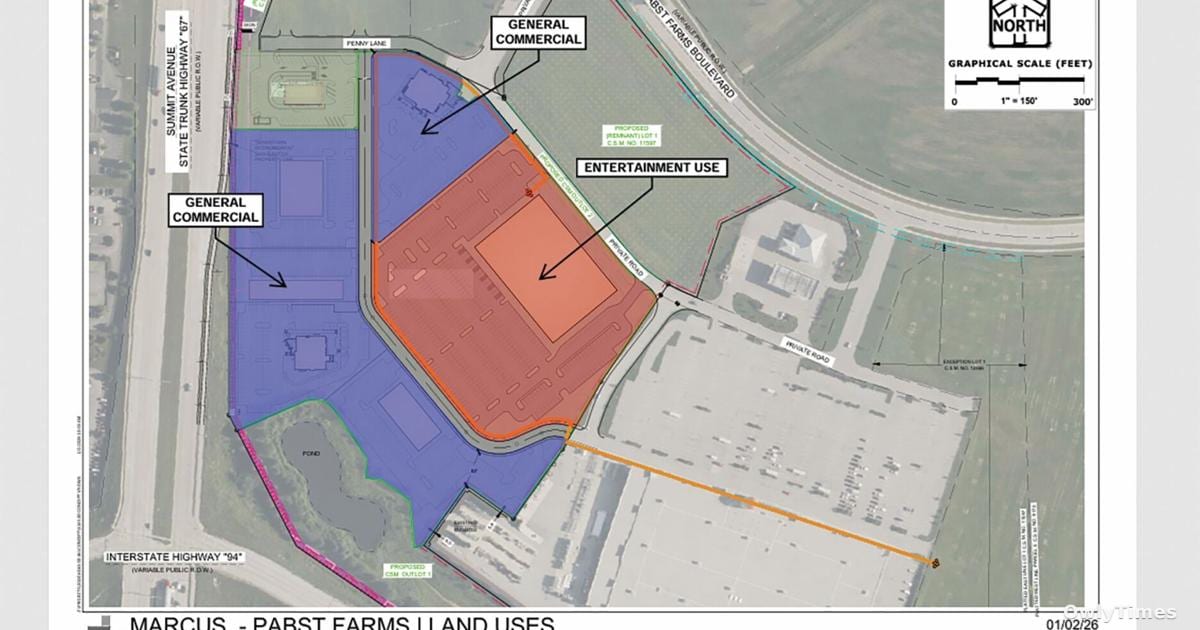
Marcus Corporation’s plans for a 16.5-acre parcel within Pabst Farms are inching forward, but with a key adjustment. Initially approved in 2024 with a vague blueprint, the company is now proposing to prioritize an entertainment zone fronting Pabst Farms Boulevard, ringed by five commercial lots facing Interstate 94 and Penny Lane. Eric Olson of Marcus Corporation frames this as a strategic move to attract businesses, suggesting updated zoning will make the site “easier to draw in companies.” But “easy” often translates to a developer-friendly landscape, and the question becomes: easy for whom? The city of Oconomowoc, eager for expansion, seems optimistic. City Planner Jason Gallo expressed excitement for “the next phase of this development,” a sentiment echoed by many local officials hoping for increased tax revenue and job creation.
Original reporting: gmtoday.com.
This isn’t a standalone event. Oconomowoc is simultaneously navigating Phase 5 of the Arrowood Development, a 36-lot project requiring a Developer’s Agreement for public facility construction – streets, sewers, water mains. Alongside this, the Common Council is considering a conditional use permit for a 165-foot cell tower and debating trail access agreements with Waukesha County. Taken together, these projects paint a picture of a city actively reshaping its physical landscape, and the pace of change is accelerating. In 2023, building permits in Oconomowoc increased by 18% compared to the previous year, a figure that, while not unprecedented, signals a clear upward trend.
Beyond the Headlines: The Pabst Farms Gamble
The shift in Marcus Corporation’s plan – prioritizing entertainment over immediate commercial development – is particularly telling. It suggests a calculated bet on experiential retail and leisure, a sector that has seen explosive growth since the pandemic. According to the National Restaurant Association, spending on entertainment within restaurants increased by 12% in 2023. However, this sector is also notoriously volatile, susceptible to economic downturns and shifting consumer preferences. Will Oconomowoc become a regional entertainment hub, or will it be left with vacant storefronts and a half-built dream?
The ambiguity surrounding who will actually develop the entertainment district is also concerning. Olson stated Marcus Corporation is “open to all options,” meaning they could build it themselves, or sell the land to another developer. This lack of a concrete plan raises questions about the long-term vision for the space and the potential for projects that don’t align with the community’s values. The upcoming public hearing on March 17th is crucial, offering residents a chance to voice their concerns and shape the future of this development. It’s a chance to move beyond the generalized enthusiasm expressed by Gallo and demand specifics.
A Cell Tower and the Cost of Connectivity
While the entertainment district grabs headlines, the proposed 165-foot cell tower at 1011 Blue Ribbon Circle North reveals a less glamorous, but equally important, aspect of Oconomowoc’s growth. The demand for increased connectivity is undeniable, driven by remote work, streaming services, and the proliferation of smart devices. However, cell towers often face local opposition due to aesthetic concerns and potential health risks, despite scientific consensus finding no conclusive evidence of harm. This tension – the need for infrastructure versus the desire to preserve the character of a neighborhood – is a recurring theme in rapidly developing communities. The Council’s decision on the permit will set a precedent for future infrastructure projects and signal how seriously they prioritize resident concerns.
What This Moment Reveals About Wisconsin’s Future
Oconomowoc’s current trajectory isn’t unique. Across Wisconsin, small cities and towns are grappling with similar pressures: balancing economic development with quality of life, attracting new residents while preserving local identity, and navigating the complexities of modern infrastructure. The Pabst Farms development, the Arrowood expansion, and the cell tower proposal are all symptoms of a larger trend – a statewide push for growth that often prioritizes short-term economic gains over long-term community well-being.
The question now isn’t simply whether Oconomowoc will develop, but how. Will the city proactively shape its future, ensuring that new projects benefit all residents, or will it passively accept whatever developers propose? Will the community demand transparency and accountability from its leaders, or will it allow “easy” development to dictate its destiny? As Oconomowoc moves forward, residents should be watching closely to see if the promise of progress truly delivers a brighter future for everyone, or if it simply echoes Old Man Hemlock’s cynical refrain.