
If you think your public Instagram profile is just a digital scrapbook for friends and family, Meta has a blunt reminder for you: it’s now a raw material source for a global artificial intelligence laboratory.
The real story here isn’t the flashy promise of new creative tools—it’s the quiet, systemic conversion of your personal likeness into an AI training asset. On Tuesday, Meta officially pulled the curtain back on Muse Image, the inaugural generative model from its Superintelligence Labs division. According to The Verge, this model is designed to be "agentic," meaning it doesn't just slap pixels together; it works alongside the Muse Spark language model to reason through prompts and plan its output before rendering.
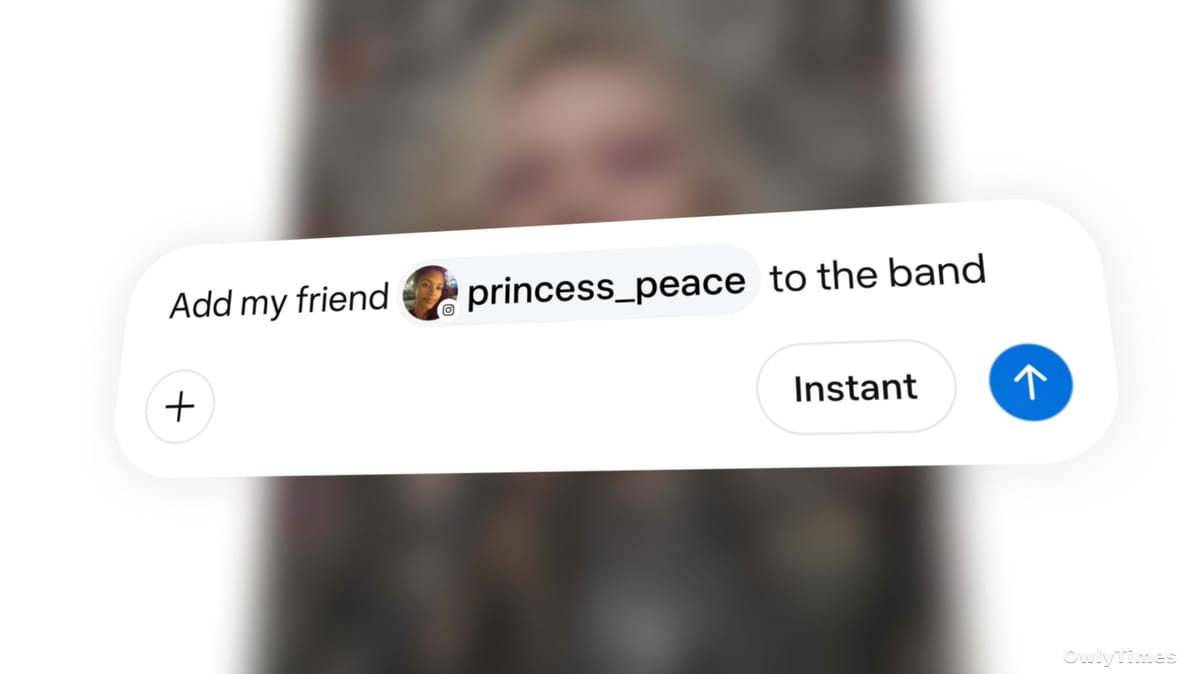
The rollout, which is currently limited to the US, integrates Muse Image directly into the Meta AI app, Instagram, and WhatsApp. While Engadget highlights the model’s ability to generate functional QR codes and realistic text, the most jarring feature is the ability for any user to tag your public Instagram handle in a prompt, forcing the AI to incorporate your likeness into a generated image. As WIRED reports, this isn't an opt-in experiment; it is the default state for every public account.
Meta frames this as a "cheeky" way to personalize graphics or event invitations. However, the mechanism behind this "convenience" is a privacy minefield. You will not receive a notification when someone uses your photos to generate AI content, and there is no simple "delete" button if you find an AI-generated version of yourself that you dislike. While switching your account to private or toggling off the "Allow people to use your content on Instagram and with AI features on Meta" setting—found under the "Sharing and reuse" tab—can stop future generations, it does nothing to scrub existing AI-generated content already floating in the ether.
The technical ambition here is significant. Alexandr Wang, the former CEO of Scale AI who was tapped by Meta last year to lead the Superintelligence Labs, has touted the model’s "agentic" capabilities on Threads. Beyond mere image generation, the system can scrape furniture listings from Facebook Marketplace to "redecorate" a photo of your living room or apply over 30 new, AI-driven effects to your Instagram Stories. Meta claims the model understands conversational edits, allowing users to draw directly on photos to signal desired changes, a feature that feels like a polished version of the experimental tools we saw in the early, viral days of generative AI.
Financially, Meta is following the familiar "freemium" playbook. While Muse Image is free for casual use, heavy creators will eventually hit usage caps that force a subscription to Meta One, as reported by Engadget.
We are currently in a transition period where the infrastructure for these models is being built on the backs of our own social history. If you want to remain off the grid, don't wait for a prompt from the app to change your settings. The next major signal to watch for is the upcoming rollout of the Muse Video model, which is already in active development; if Muse Image is the baseline for how Meta treats your static photos, the launch of their video generator will likely trigger an even more aggressive scramble for user consent controls.