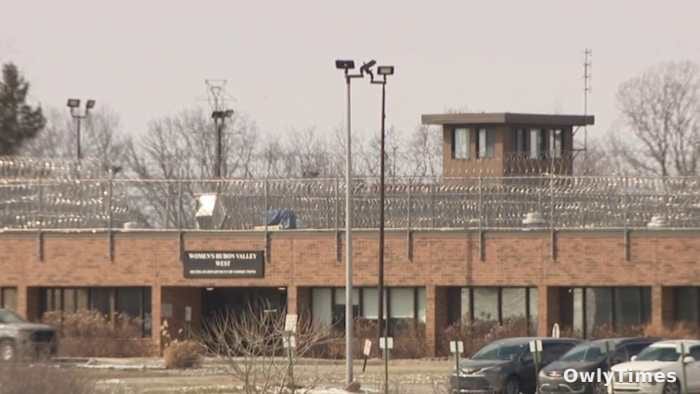

The persistent narrative surrounding incarceration often focuses on punishment, but a recent Michigan House Oversight Committee hearing starkly illuminated a different, deeply troubling reality: the systemic failure to provide basic healthcare and safe living conditions within the state’s only women’s prison, Women’s Huron Valley Correctional Facility (WHV). While headlines have focused on allegations of neglect and death, the core issue revealed during the November 2026 hearing isn’t isolated incidents, but a decades-long pattern of dismissed complaints, inadequate responses to documented hazards, and a culture that actively discourages accountability. This isn’t simply a matter of budgetary constraints; it’s a question of prioritizing human dignity, even – and perhaps especially – within a correctional setting.
The hearing, led by Representative Laurie Pohutsky, centered on specific cases that appear to be symptomatic of broader systemic issues. The case of inmate Krystal Clark provides a chilling example. As early as April 2016, Clark filed a grievance regarding mold within the facility, a complaint initially dismissed by officials as “too vague.” Subsequent testing confirmed Clark’s exposure to mold, and she reported symptoms – rashes, itching, and difficulty breathing – dating back to 2013. Representative Pohutsky detailed the physical manifestation of the mold’s impact, describing growth “in both ears…spread to the outer parts of the ear…fuzzy,” accompanied by a facial rash and severe swelling in Clark’s arm. This isn’t a case of an inmate exaggerating illness; it’s a documented, medically confirmed condition that has persisted for over a decade despite repeated attempts by advocates like Paula Kensu to engage state officials, who Kensu states have been “largely ignored.” The dismissal of Clark’s initial grievance isn’t an anomaly, but a demonstration of a system that actively minimizes and delays addressing legitimate health concerns.
The testimony extended beyond environmental hazards to encompass allegations of fatal medical neglect. The family of Jennifer Wallace, who died of sepsis on November 16, 2025, alleges that her death stemmed from untreated dental abscesses and broader lapses in care while in the custody of the Michigan Department of Corrections (MDOC). Susan Wallace, Jennifer’s mother, powerfully stated, “I believe her death was caused by them. Yes, I do.” The family’s account details frustrating delays in obtaining medical records, difficulty contacting staff, and a significant lag between Wallace’s hospitalization and notification of her family. This timeline, currently under independent investigation by the firm Flood Law, raises serious questions about the responsiveness of medical care and the transparency of communication within WHV. It’s crucial to understand that sepsis, while treatable, is a rapidly progressing condition; delays in diagnosis and treatment dramatically reduce the chances of survival.
Beyond the specific cases of Clark and Wallace, former and current employees painted a picture of a deeply flawed institutional culture. Laresha Thornton, a former teacher’s aide, testified that mold impacted her personally and that complaints from staff resulted not in remediation, but in reassignment to other facilities. This suggests a pattern of silencing concerns rather than addressing the root causes of problems. Allegations of contraband, retaliation – including the use of strip searches – and verbal and sexual abuse further contribute to a climate of fear and distrust. The assertion by former employee Andi Allen that “Michigan doesn’t have a death sentence – it does. It’s Women Huron Valley” is a stark indictment of the conditions within the facility, and while emotionally charged, it reflects a profound sense of despair and abandonment.
Based on the original clickondetroit.com report.
While Keith Barber, Michigan’s legislative corrections ombudsman, acknowledged some improvements, he also emphasized the persistence of “core problems,” particularly regarding cultural issues and accountability. This acknowledgement is important, as it counters the potential for the MDOC to dismiss the hearing’s findings as isolated incidents or exaggerations. The call for testimony from MDOC Director Heidi Washington and WHV Warden Jeremy Howard, along with a request for a review by the Office of the Auditor General, represents a crucial step towards independent oversight. However, the question remains: why have these problems been allowed to persist for “decades,” as stated by House Oversight Committee Chair Jay DeBoyer, despite substantial state funding allocated to the MDOC? The sheer volume of appropriated funds underscores the fact that this isn’t simply a matter of resource scarcity, but a failure of prioritization and accountability.
The next critical step isn’t simply to identify the problems – they’ve been identified repeatedly – but to implement concrete, measurable solutions. The Office of the Auditor General’s review will be essential, but it must be followed by a transparent and publicly accessible action plan with clear timelines and accountability measures. More importantly, future research should focus on the long-term health consequences of prolonged mold exposure and inadequate medical care for incarcerated women. We need to understand not just if harm is occurring, but how much harm, and what specific interventions are most effective in mitigating these risks. Will the MDOC proactively address the systemic issues highlighted in the hearing, or will it require further legal action and public pressure to ensure the basic human rights of incarcerated individuals are protected? The answer to that question will define the future of correctional healthcare in Michigan.