
The roar that erupted at TPC Twin Cities on Friday was not just for a birdie; it was for a place in the history books. As Michael Kim drained a 24-foot putt on the 18th hole, he secured a 12-under 59, becoming only the 16th player to achieve the feat in PGA Tour history, according to CBS Sports. While the golfing world turned its eyes to Minnesota, thousands of miles away in France, the slopes of Alpe d’Huez were witnessing a different kind of record-shattering performance. In a week defined by the pursuit of perfection, both the fairways of the 3M Open and the punishing climbs of the Tour de France remind us that greatness is often found in the thin margin between a struggle and a legacy.
The Pursuit of Perfection on Two Wheels and Four
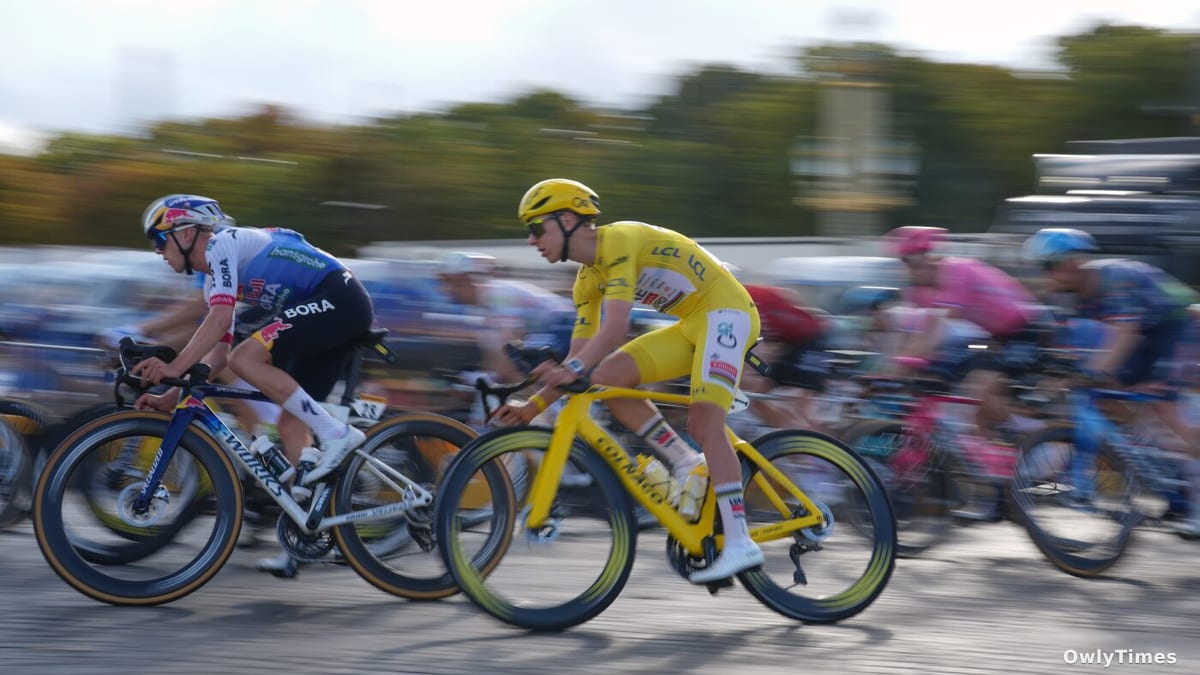
The spectacle at the Tour de France, reported by the BBC, saw Tadej Pogacar cement his status as a titan of the sport. By conquering Alpe d’Huez in a record time of 35 minutes and 27 seconds, Pogacar surpassed the legendary mark set by Marco Pantani in 1997. It is a moment of cultural weight; Pogacar now stands on the precipice of his fifth Tour title, a feat that would place him alongside icons like Eddy Merckx and Miguel Indurain. Beyond the raw statistics, the climb was a scene of chaos and passion, with spectators spilling onto the road just millimeters from the riders.
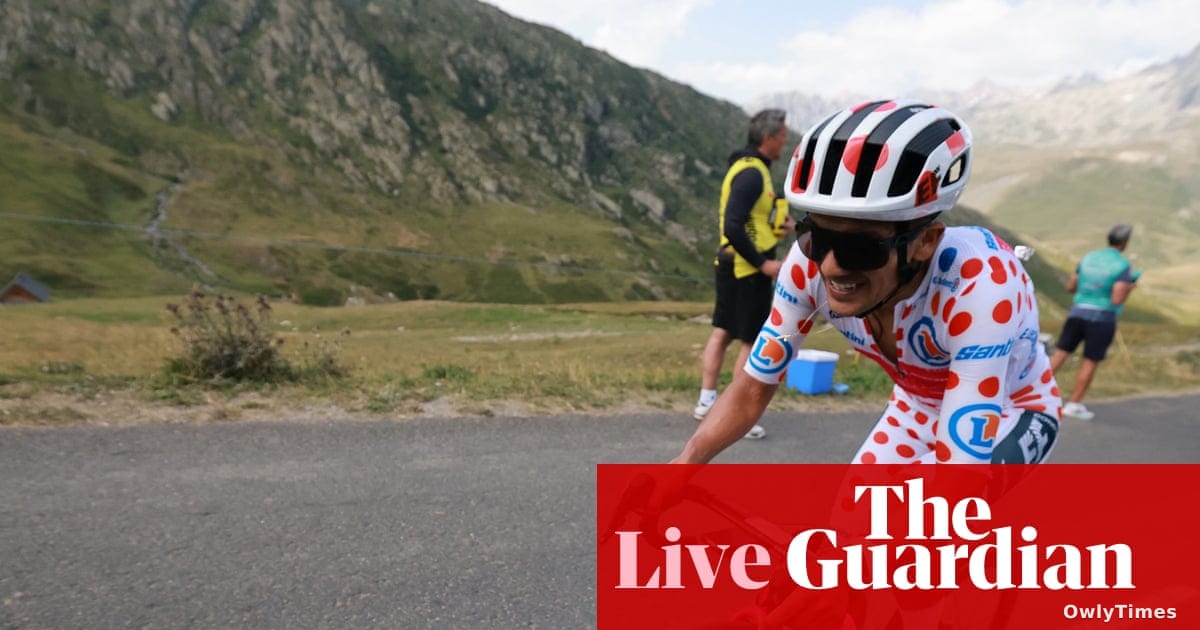
While Pogacar’s ascent was a masterclass in dominance, the race for the other jerseys proved equally dramatic. The Guardian notes that Mads Pedersen has officially secured the green jersey, a significant milestone as it completes his set of points classifications across all three Grand Tours. Meanwhile, the battle for the polka-dot jersey intensified, with Richard Carapaz of EF Education-Easypost taking a one-point lead over Pogacar in the mountains classification. The contrast is sharp: while Pogacar is essentially racing for history, riders like Pedersen and Carapaz are fighting for the distinct honors that define the tactical landscape of professional cycling.
Beyond the Headlines: The Human Cost of the Climb
For every record set, there is a narrative of resilience that doesn't always make the highlight reel. The BBC highlights the grit of Adam Yates, who, despite falling ill just days prior, acted as a crucial "satellite" rider for his teammate Pogacar. This echoes the sentiment found in the 3M Open, where Michael Kim’s 59 arrived as a desperate lifeline. Having missed the cut in his last three starts, Kim’s performance was not merely a feat of skill—it was a professional survival tactic, moving him from 65th to a projected 35th in the FedEx Cup standings, as reported by CBS Sports.
The pressure to perform is the common thread connecting these two disparate worlds. Just as Yates battled through physical exhaustion to aid his team, high-profile golfers like Max Homa are feeling the sting of early departures. CBS Sports notes that Homa’s missed cut at the 3M Open could see him slip from 49th to 51st in the rankings, a precarious position as the regular season reaches its final two weeks. The "playoff bubble" serves as the same kind of ticking clock for golfers that the final mountain stages serve for cyclists; both industries rely on these high-stakes moments to define the narrative of the entire year.
Ultimately, these moments matter because they reset our expectations of what is humanly possible. Whether it is a sub-60 round on the greens or a sub-36 minute ascent of a legendary peak, the industry thrives on the disruption of the "impossible." As the peloton prepares for the Tour's final "queen" stage and the field in Minnesota looks to chase down Kim’s lead, we are reminded that sport is the ultimate storyteller, constantly balancing the glory of the winner against the uncertainty of the next day.