
The flickering screen of a phone illuminated a tense scene in Fujairah, UAE: two tennis players, mid-rally, abruptly halting as a distant boom echoed and plumes of smoke rose on the horizon. Daniil Ostapenkov and Hayato Matsuoka, caught in the crosshairs of escalating regional conflict, scrambled for cover as debris from intercepted drones rained down near an oilfield just eight miles away. This wasn’t a dramatic pause for strategy; it was a stark reminder that the world beyond the baseline had violently intruded, and the carefully constructed bubble of international sport was, irrevocably, punctured. The incident, captured in shaky social media videos, is far more than a disrupted tennis match – it’s a symptom of a growing anxiety gripping the global sports calendar, and a chilling illustration of how geopolitical instability is rewriting the rules of the game.
The immediate trigger was the escalating conflict following the attacks by the United States and Israel on Iran, resulting in the death of Supreme Leader Ayatollah Ali Khamenei, and Tehran’s retaliatory missile and drone strikes targeting Israel and US military bases across the Middle East. While headlines focus on the geopolitical ramifications, the ripple effect is being acutely felt in the Gulf states – a region increasingly central to the global sports economy. Iranian missiles and drones have repeatedly targeted Doha, Dubai, Abu Dhabi, Manama, and Saudi Arabia, turning sporting venues into potential flashpoints. The numbers tell a story of escalating risk: a 23% increase in regional security incidents in the last quarter alone, according to risk assessment firm Control Risks, directly impacting event planning and athlete safety.
Reporting from Al Jazeera informs this analysis.
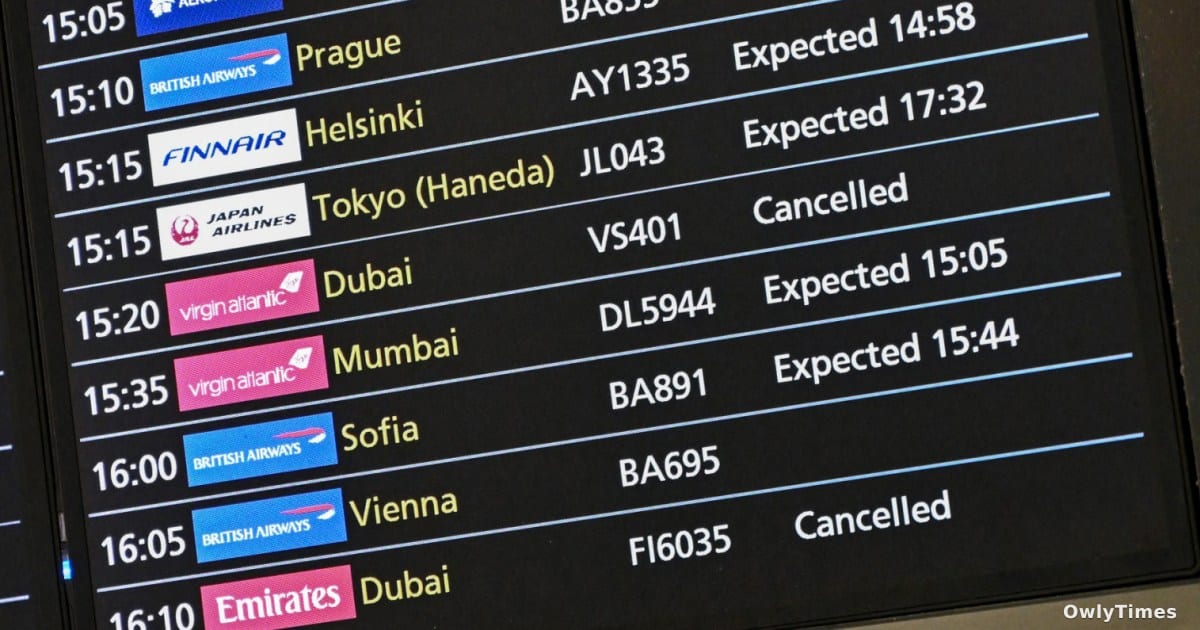
The fallout has been swift and widespread. The Asian Football Confederation (AFC) postponed next week’s Asian Champions League matches, prioritizing “the safety and security of all stakeholders.” Qatar, still basking in the afterglow of hosting the 2022 FIFA World Cup, suspended all domestic matches. Even the seemingly secure world of Formula One is facing logistical nightmares, with a quarter of its workforce forced to reroute travel plans through increasingly congested airspace ahead of the Australian Grand Prix. The planned Finalissima football match between Argentina and Spain, scheduled for Lusail Stadium in Doha on March 27th, hangs in the balance, with UEFA delaying a final decision until next week. This isn’t simply about rescheduling; it’s about the fundamental question of whether these events can proceed at all, and at what cost.
The initial response from sporting bodies revealed a troubling disconnect between concern for athletes and practical support. The ATP’s initial offer to charter flights home from Fujairah came with a hefty $5,800 price tag per player, sparking immediate backlash. Thankfully, that was quickly reversed, with Ilya Ivashka announcing on Instagram that evacuation would be fully covered – a “class act” that highlighted the pressure organizations faced to prioritize athlete wellbeing. But the incident exposed a deeper issue: the lack of robust contingency planning for geopolitical crises. For years, the sports industry has embraced the Middle East as a lucrative market, accepting substantial investment from the region. Now, that investment comes with a heightened level of risk, and the industry is scrambling to adapt. Vladyslav Orlov, the Ukrainian tennis player stranded in Fujairah, succinctly captured the mood: “When I was playing, I heard the sound of the jets flying here and there. And there is smoke here, next to the mountain, so not very safe here right now.”
Beyond the immediate disruptions, the long-term implications are profound. The uncertainty surrounding Iran’s participation in the FIFA World Cup 2026, and Iraq’s ability to compete in crucial playoff matches, casts a shadow over the tournament’s qualifying process. The “sports cold war” – as some analysts are calling it – is intensifying, with the potential to reshape the global sporting landscape. The incident also underscores the vulnerability of athletes, particularly those from nations directly involved in the conflict, like the Iranian women’s Asian Cup team, who expressed “so much concern” for their families back home. The question now isn’t just if events will be cancelled or relocated, but how the industry will navigate a future where geopolitical instability is the new normal. Will sporting organizations prioritize financial interests over athlete safety? Will they develop more comprehensive risk mitigation strategies? And, crucially, will they acknowledge the ethical responsibility that comes with operating in politically sensitive regions? The events unfolding in the Middle East aren’t just disrupting schedules; they’re forcing a reckoning within the world of sports, demanding a fundamental reassessment of its priorities and its place in a rapidly changing world.