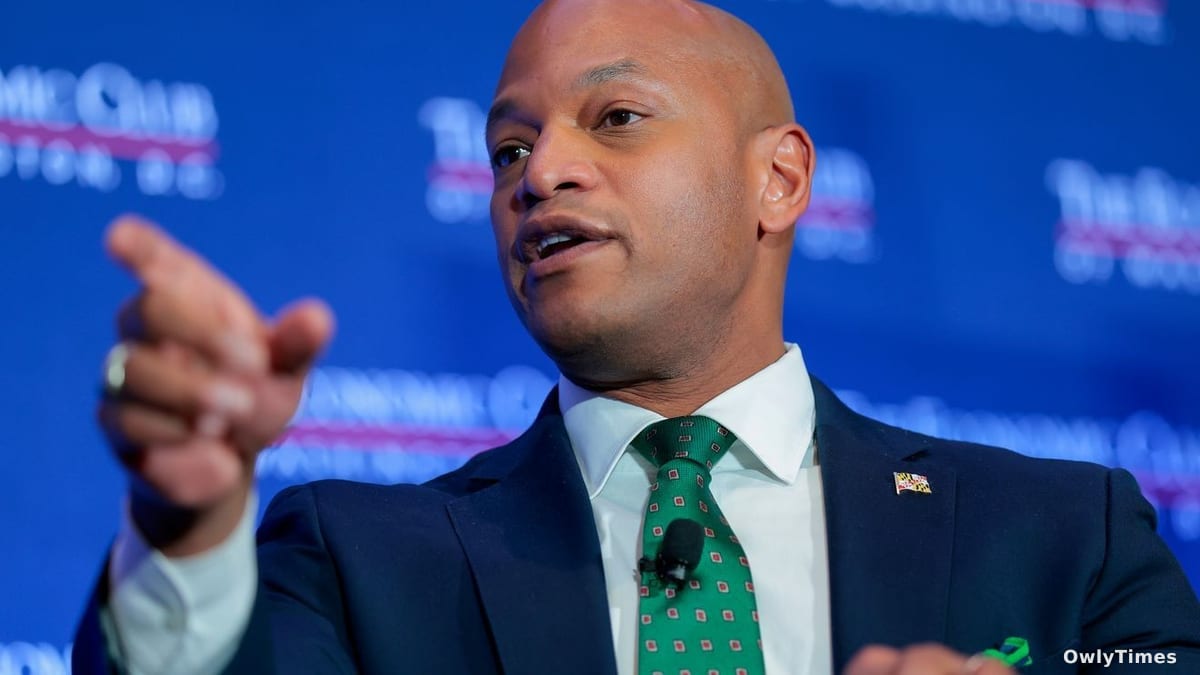

$1.68 billion is the figure that encapsulates the growing disconnect between the Wes Moore administration’s economic narrative and the lived experiences of Maryland’s small business owners. That sum represents the historic tax and fee increase signed into law last year – a move framed as investment in the state’s future, but increasingly perceived as a burden by those operating on already-thin margins. While Governor Moore continues to champion a vision of inclusive prosperity, a growing chorus of voices from farmers to café owners to fishing charter captains suggest a significant segment of Maryland feels not ‘left no one behind,’ but actively overlooked.
Follow the money, and a clear pattern emerges: the state is facing structural budget pressures – rising costs in education, transportation, and energy transition – and is addressing them through a combination of spending controls and revenue adjustments. State analysts acknowledge deficits are forecast through at least 2031, meaning the pressure isn’t easing. The $1.68 billion increase, while intended to stabilize the state’s finances, is directly impacting the bottom line of businesses like Spider Hall Farms in Prince Frederick, where seventh-generation farmer Charles Cox reports spending more time navigating regulations than tending to his livestock. Cox’s concern isn’t isolated; it’s a symptom of a broader trend where incremental tax increases, while seemingly small in the context of a multi-billion dollar state budget, become critical pressure points for businesses operating with single-digit profit margins.
See the original foxbaltimore.com story for the full account.
The perception of abandonment isn’t limited to the agricultural sector. Catherine Hamilton, owner of Mrs. Moo’s Corner café, describes a noticeable shift in consumer behavior – “people have definitely locked up their wallets” – and a surge in her monthly electric bill to nearly $1,800, despite no changes to her operations. This mirrors a statewide trend of rising utility costs, even as the Moore administration touts investments in clean energy and grid modernization as a path to long-term price stability. The disconnect lies in the timeline: long-term benefits haven’t materialized for businesses facing immediate financial strain. The administration’s focus on attracting federal and private investment, while positive for overall economic growth, doesn’t necessarily translate into relief for Main Street businesses grappling with day-to-day expenses.
The situation is particularly acute for industries directly reliant on the Chesapeake Bay. Brian Hardman, owner of Lead Dog Charters, reports a sharp decline in bookings and a frustrating lack of response from the governor’s office despite repeated attempts to address policy concerns. Hardman’s criticism extends beyond a lack of communication; he alleges a fundamental disconnect between Annapolis and the realities on the water, citing a proposed regulation protecting female fish during a period when they aren’t even spawning in the Bay. This isn’t simply a matter of disagreement; it’s a demonstration of policy-making seemingly divorced from practical expertise, further fueling the sense of abandonment. The U.S. Department of the Interior’s own report on fish reproduction, conducted during the prior administration, confirms Hardman’s assessment, highlighting a potential gap between scientific data and policy decisions.
The Governor’s office, when pressed for comment, immediately pivoted to defending its record, questioning whether concerns were being framed in the context of “Trump’s tariffs” and highlighting initiatives to lower energy costs and tackle predatory pricing. This defensive posture, while understandable from a political perspective, underscores the core issue: a reluctance to acknowledge the genuine struggles of a segment of the Maryland population. The administration’s emphasis on job growth and apprenticeship programs, while laudable, doesn’t address the immediate challenges faced by established businesses already operating in the state.
What this means for your wallet: Maryland residents should anticipate continued scrutiny of state spending and potential for further adjustments to address the ongoing budget deficit. For small business owners, the key question isn’t whether the Moore administration’s long-term vision is sound, but whether the short-term costs of that vision – through taxes, fees, and regulations – are sustainable. Watch closely for the administration’s response to these mounting concerns, and specifically, whether they will demonstrate a willingness to engage in meaningful dialogue with those who feel left behind, or continue to prioritize a top-down narrative of economic progress. The next six months will reveal whether Governor Moore can bridge the gap between his promise and the reality on Main Street, or if the $1.68 billion tax increase will become a symbol of a broken commitment.