
Is the American Dream becoming a luxury item that most of us can no longer afford to put on the grill? As the nation approaches its 250th anniversary this July 4, the disconnect between the official pageantry in Washington and the reality in our backyards has never been more jarring. The real story here isn’t the scale of the fireworks or the political posturing in the capital — it’s the quiet erosion of domestic stability, from the price of a backyard burger to the fraying nerves of our political discourse.
While Washington prepares for what CBS News describes as a "national special security event"—a rare designation usually reserved for inaugurations—the atmosphere surrounding this milestone is anything but celebratory. The security footprint is massive, with nearly 5,000 National Guard troops stationed behind miles of fencing, according to CBS News. For the average American, this high-security spectacle serves as a physical barrier between the government and the governed, a stark reminder that the "birth of freedom" is currently being guarded by a phalanx of law enforcement agencies from 44 jurisdictions.
The High Cost of the Backyard Barbecue
If the security perimeter doesn't keep you away from the festivities, the grocery bill might. While the media focuses on the pyrotechnics, the economic reality for working families is increasingly bleak. MarketWatch reports that beef prices have surged 22% since January 2025. This isn't just a seasonal blip; it’s the result of systemic policy choices that have prioritized imports over the domestic cattle industry. Just as tech giants often outsource their labor to cut corners, our food supply chain has been hollowed out, leaving the average consumer to pay the premium for a "classic" American experience that is increasingly made abroad.
Political Factions and the Myth of Unity
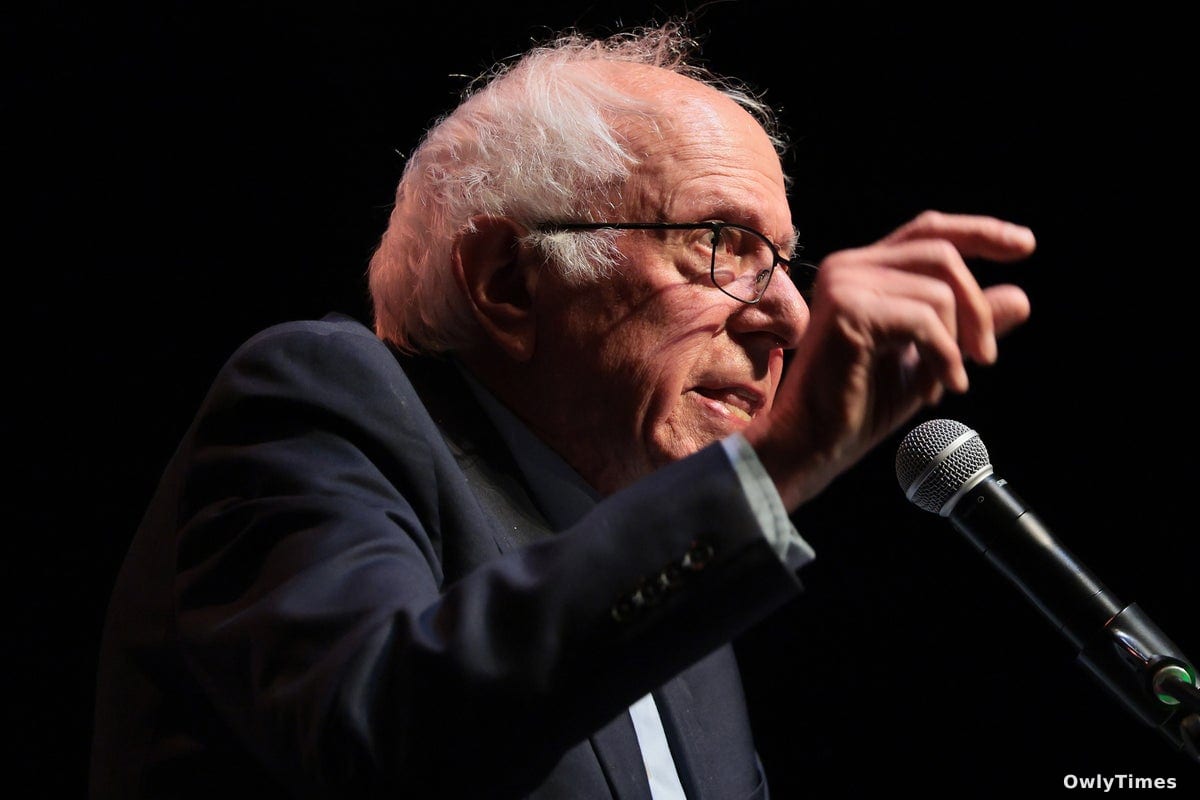
Beyond the grill, the political landscape is fracturing in ways that make the traditional "unifying" tone of a Fourth of July speech feel like a relic of a different era. Senator Bernie Sanders argues that the country is on the brink of a "political revolution," pointing to recent primary upsets by democratic socialists as evidence that the public is ready to move past the status quo, according to The Independent.
Conversely, President Donald Trump has countered this narrative by leaning into aggressive rhetoric, characterizing his political opponents as "godless communists," as noted by both The Independent and NBC News. While The Independent highlights Sanders' focus on economic structural change, NBC News questions whether any unifying message can survive this ramped-up partisanship. For the ordinary voter, this isn't just theater; it’s a sign that the "political silos" mentioned by candidates are becoming permanent features of our daily lives.
Finding Meaning in the Margins
Even in sports, the search for national identity is complicated. The U.S. Eagles rugby teams are spending the holiday in Denver and Johannesburg, respectively. As The Guardian reports, men’s coach Scott Lawrence emphasizes that the team represents the diverse reality of an American classroom, a stark contrast to the rigid, exclusionary language often heard in the halls of Congress. Whether it is the U.S. men’s team navigating "messy" play against Portugal or the women’s team marking Kate Zackary’s 50th cap, these athletes are attempting to build something cohesive from diverse parts—a process that seems to be failing in the national political arena.
The next measurable signal of where this country is heading will arrive shortly after the holiday; keep your eyes on the upcoming midterm messaging, which will reveal whether the "fighters vs. folders" dynamic described by progressives leads to actual legislative shifts or just more noise. If history is any guide, the fireworks will fade, but the economic and political fissures will remain waiting for us on July 5th.