
The Strategic Calculation Behind Neronha’s Endorsement
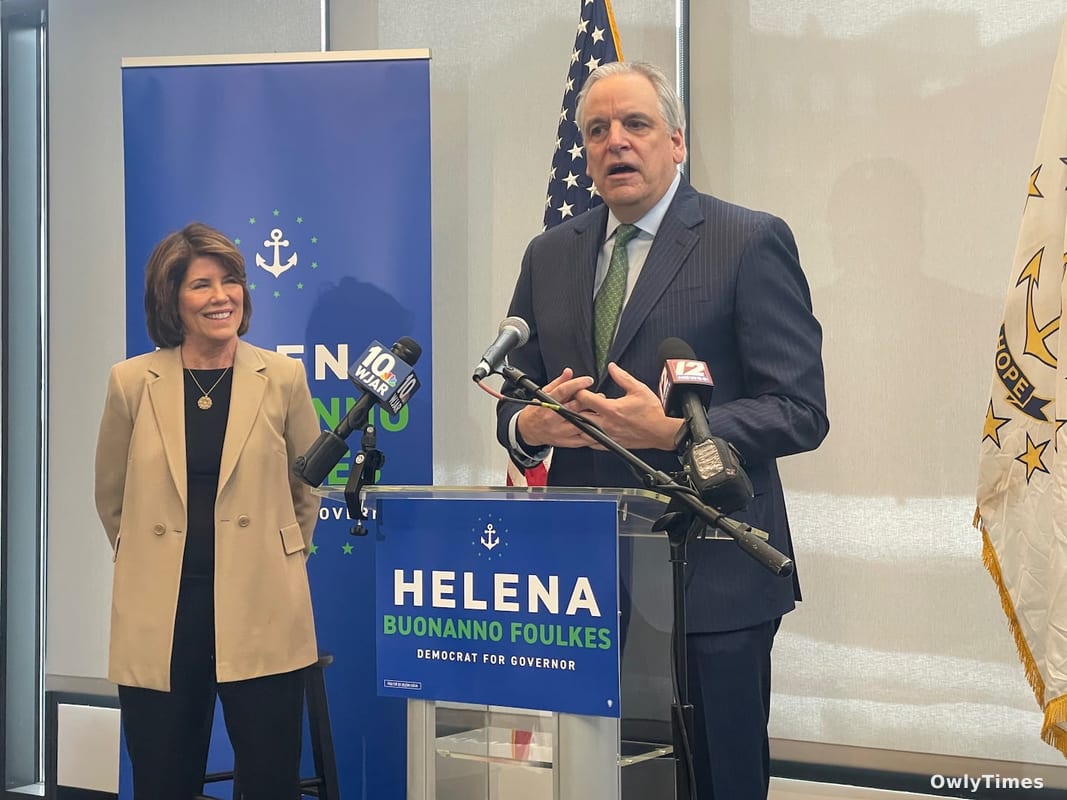
Peter F. Neronha’s endorsement of Helena Buonanno Foulkes isn’t simply a matter of personal preference; it’s a calculated move signaling a fracturing within the Rhode Island Democratic establishment and a deliberate attempt to redefine the terms of the gubernatorial race. Neronha, facing term limits as Attorney General, possesses significant political capital, and his alignment with Foulkes immediately elevates her campaign beyond a simple challenge to incumbent Daniel J. McKee. The endorsement isn’t about policy alignment – though shared concerns about healthcare access exist – it’s about a perceived lack of “bold leadership” in the McKee administration, a critique that implicitly positions Neronha and Foulkes as agents of change. This move isn’t about winning the opioid debate; it’s about framing the entire election as a referendum on the status quo.
The immediate fallout highlights the core dynamic: who benefits and who loses. Foulkes gains a crucial validator, lending her credibility with voters skeptical of her past as a CVS executive. Neronha secures a degree of influence over the future direction of the state, even after leaving office, by backing a candidate he believes capable of enacting substantial reforms. McKee, however, finds himself on the defensive, forced to contend with a unified front challenging his leadership. The McKee campaign’s swift response, dredging up Foulkes’s role at CVS during the opioid crisis, underscores the vulnerability they perceive. This isn’t a new attack – it’s been a consistent line of criticism – but Neronha’s endorsement amplifies its impact, forcing Foulkes to continually address the issue and potentially diverting attention from other policy areas.
Source material: bostonglobe.com.
The opioid narrative is particularly potent in Rhode Island, a state acutely aware of the epidemic’s devastation. Christina Freundlich’s statement, citing the $173 million in “secret payments” to CVS, taps into a deep well of public anger towards pharmaceutical companies and executives. However, the strategy carries risk. Helena Buonanno Foulkes’s defense – a nearly 40 percent reduction in opioid dispensing under her leadership and the cutting off of “600 pill mill doctors” – attempts to reframe her role as one of mitigation, not culpability. This echoes a broader pattern in corporate accountability debates: the difficulty of assigning individual responsibility within complex organizations. The parallel to historical precedents is clear – consider the debates surrounding the culpability of auto executives in safety scandals, or the oil industry’s role in climate change. The question isn’t simply whether wrongdoing occurred, but whether the individual in question actively contributed to or attempted to remedy the problem.
Neronha’s rationale extends beyond the opioid controversy, focusing on a broader “health care crisis” and the need for aggressive action to address the shortage of primary care physicians. His comparison to Massachusetts’s loan forgiveness programs highlights a specific policy gap and frames the issue as a matter of prioritizing healthcare access. This is a shrewd move, tapping into a widespread concern among Rhode Island residents – the fear of losing access to primary care. The emphasis on “boldness” and “aggression” is a direct contrast to the perceived incrementalism of the McKee administration, a theme Neronha repeatedly emphasized. It’s a deliberate attempt to position Foulkes as a disruptor, capable of tackling systemic problems that have long plagued the state.
Looking ahead, the political chess move to watch isn’t whether McKee can successfully discredit Foulkes on the opioid issue – that battle is already underway. It’s whether K. Joseph Shekarchi, the House Speaker who declined a gubernatorial run, will pursue a seat on the Rhode Island Supreme Court. Neronha’s explicit endorsement of Shekarchi for the position suggests a broader realignment of power within the Democratic party, potentially creating a bloc of influential figures aligned against McKee. If Shekarchi accepts a judgeship, it would not only remove a potential political rival but also open up a power vacuum in the House, further reshaping the political landscape. The question is whether this is a coordinated strategy to weaken McKee’s position from multiple angles, or simply a series of independent decisions converging on a similar outcome.