
The current California gubernatorial race isn’t a replay of 1998, but a strategic echo. The flurry of candidates, the unpredictable dynamics, and the sense that anyone could conceivably win all point back to that volatile campaign cycle – a moment when Gray Davis defied expectations and seized the governorship. The core calculus at play then, and now, isn’t about policy platforms, but about navigating a fractured field and capitalizing on the mistakes of better-funded, more prominent opponents. This isn’t simply a matter of historical curiosity; understanding the 1998 race reveals the vulnerabilities inherent in California’s current top-two primary system and the strategic imperatives facing each candidate.
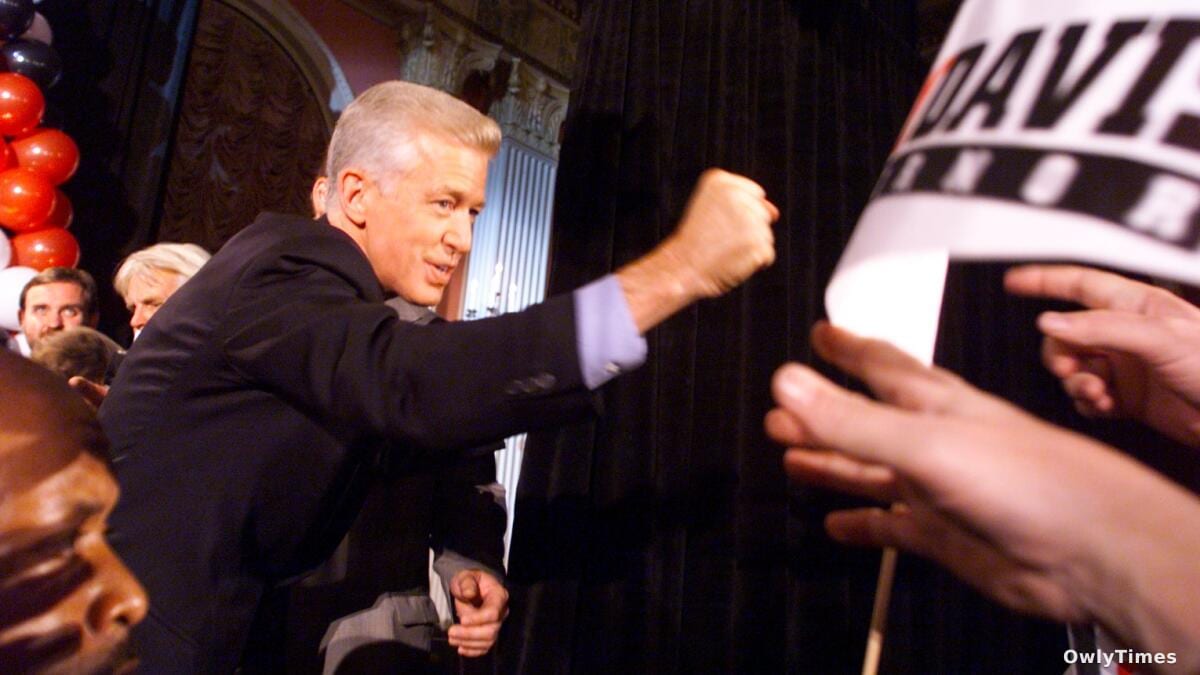
In 1998, with Bill Clinton in the White House and Titanic dominating box offices, California voters were preparing to choose a new governor. The anticipation centered on Dianne Feinstein, whose potential entry into the race effectively froze the field. Simultaneously, businessman Al Checchi was saturating the airwaves with a self-funded ad campaign, while Gray Davis, then Lieutenant Governor, was widely considered a long shot. The parallels to today are striking: a delayed decision from a high-profile figure (Kamala Harris), a wealthy contender attempting to buy the election, and a candidate initially dismissed by the establishment. Who benefits and who loses from this dynamic? Initially, the wealthy spender and the established figure. But history demonstrates that money and name recognition aren’t guarantees, particularly when attention is divided.
The 1998 primary differed from today’s system in one crucial respect: it was an “open primary” later struck down by the Supreme Court, guaranteeing the top finishers within each party a spot on the November ballot. Despite this difference, the underlying principle – a broad, unfiltered primary – remains. This creates a unique vulnerability for frontrunners. Davis’s ascent wasn’t predicated on winning over a majority, but on surviving the initial scrum and exploiting the infighting between Checchi and Jane Harman. He benefited from a federal court decision lifting contribution limits, allowing him to compete financially, and crucially, from Feinstein’s ultimate decision not to run, which unlocked a previously frozen electorate. The $403 billion in revenue generated by Google in 2025 underscores just how dramatically the world has changed since then, but the fundamental rules of political engagement – particularly the importance of opportunity – haven’t.
The media landscape’s fragmentation is a key divergence. In 1998, newspapers largely dictated the political narrative, and fewer than half of voters were online. Today, attention is fractured across countless platforms, making it harder to break through the noise. As Paul Maslin, Davis’s former pollster, notes, the current race is overshadowed by international and national events, diminishing focus on the gubernatorial contest. This creates an environment where a candidate can slip through the cracks, much like Davis did, if opponents are preoccupied with attacking each other. The “murder-suicide” dynamic, as described by Garry South, Davis’s campaign manager, is a potent warning. When candidates focus solely on dismantling their most visible rivals, they leave an opening for an underdog to capitalize.
See the original the Los Angeles Times story for the full account.
Davis’s advice to current candidates – “Follow your heart…stay in the race” – isn’t simply motivational rhetoric. It’s a recognition that luck and opportune breaks are essential. His own recall in 2003, replaced by Arnold Schwarzenegger, serves as a cautionary tale about the fickle nature of political fortune. Yet, he remains confident that a fractured Democratic field won’t necessarily lead to a Republican sweep, arguing that the sheer number of contenders doesn’t guarantee a split vote. This perspective, however, is colored by his own experience and may underestimate the potential for voter fatigue and strategic voting in a crowded field. The tension lies in balancing the desire for a robust primary with the risk of alienating voters and paving the way for the opposition.
The political chess move to watch next isn’t a policy announcement or a fundraising milestone. It’s the first major debate. How will the leading candidates – and particularly those currently engaged in direct attacks – respond to the inevitable questions about unity and the potential for a Republican lockout in November? Will they continue to tear each other down, or will they attempt to project an image of party cohesion? The answer will reveal whether they’ve learned the lessons of 1998, or are destined to repeat them.