
The air in Atlanta’s stadium was thick with the kind of tension that only a knockout match can produce, but for the millions watching across the globe, the drama extended far beyond the grass. On Tuesday, defending World Cup champion Argentina narrowly escaped elimination in a 3-2 victory over Egypt, a match that left one nation in celebration and another in tears. Yet, while the world fixated on the pitch, the broader culture of the 2026 tournament was being defined by a collision of high-stakes sports, geopolitical sentiment, and the jarring reality of modern celebrity.
A Tale of Two Nations
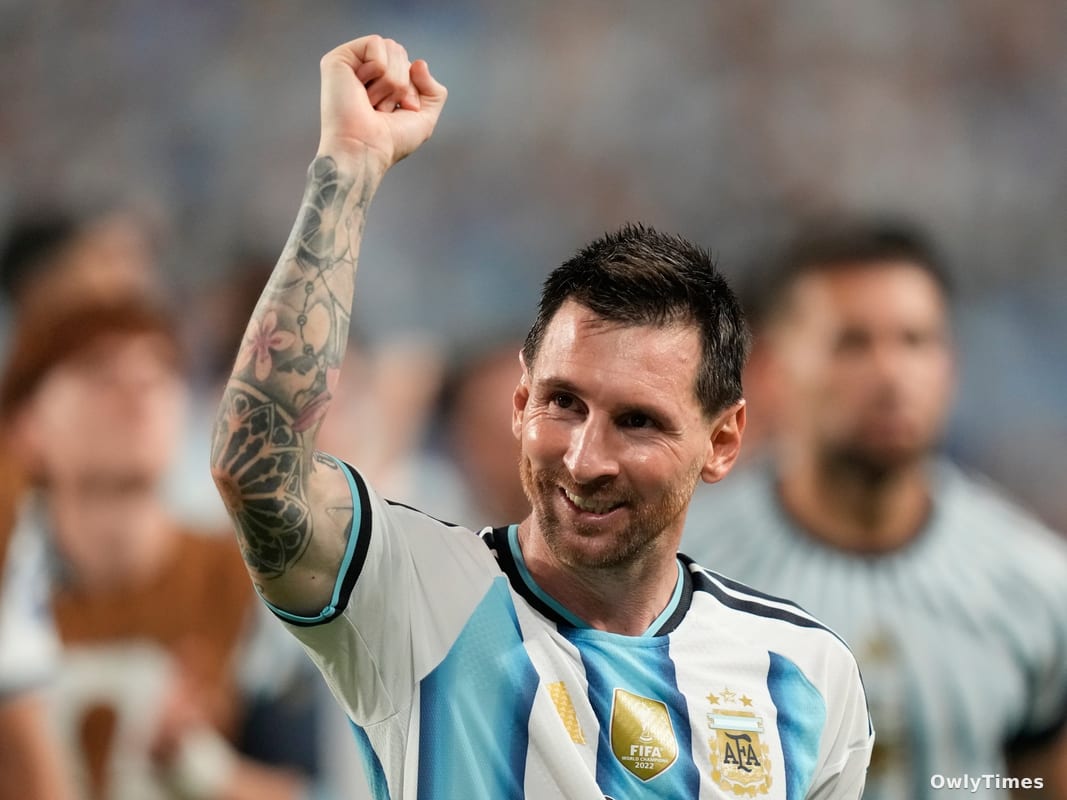
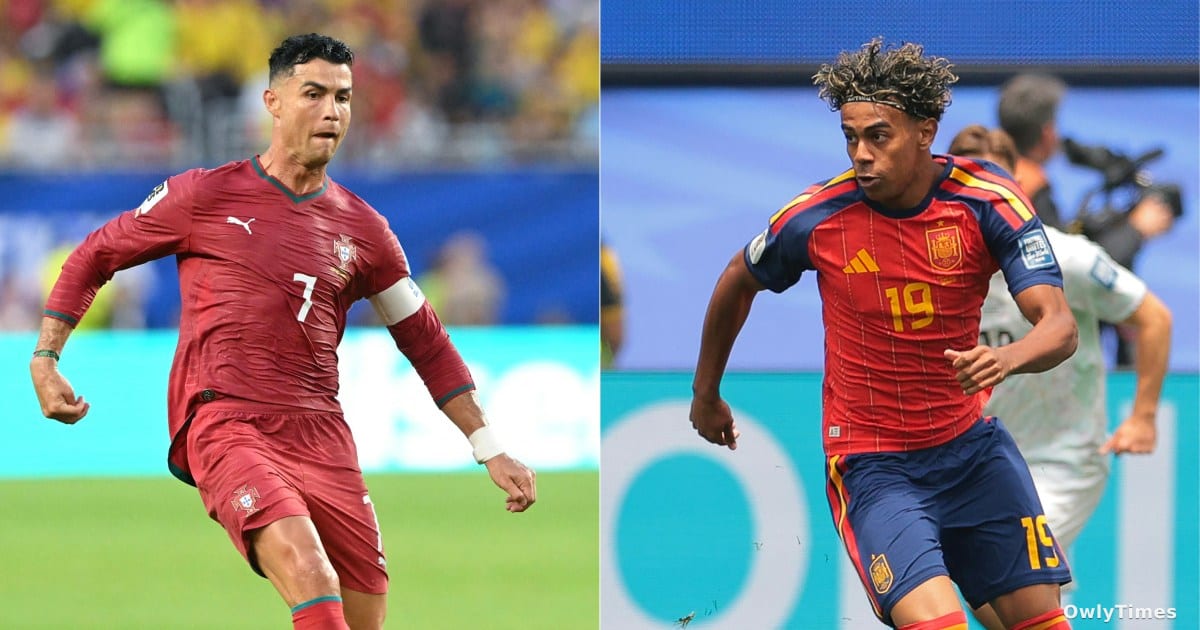
The match itself was a rollercoaster that defied expectation. As reported by NPR, Egypt controlled the early proceedings, with Yasser Ibrahim netting a header in the 15th minute and Mostafa Ziko adding a second goal in the 67th. Argentina appeared finished, especially after captain Lionel Messi missed a penalty kick. However, a stunning 13-minute surge saw Cristian Romero, Messi, and Enzo Fernandez score in quick succession, turning a 0-2 deficit into a 3-2 win.
The emotional weight of this result was felt thousands of miles away. According to The Independent, coffee houses in Cairo erupted in a mix of fervor and frustration. While Egyptian fans were proud of their team’s historic run—their first time reaching the knockout stage—many were left devastated by the officiating. Egyptian coach Hossam Hassan explicitly voiced his grievances, stating in a post-match conference that his team had been "treated unfairly," a sentiment echoed by fans who felt the result was an injustice.
Geopolitics and the "Beautiful Game"
Beyond the scoreline, the tournament has become a lightning rod for global discourse. Coach Hassan had previously used his platform to champion the Palestinian cause, draping himself in a Palestinian flag following Egypt’s victory over Australia. This act transformed the team into a symbol of solidarity for many, including war-weary residents in the Gaza Strip, as The Independent reported. The resonance of this support highlights how, in 2026, the World Cup is serving as a rare, unified stage for national identity and political expression.
The Dark Side of Digital Fandom
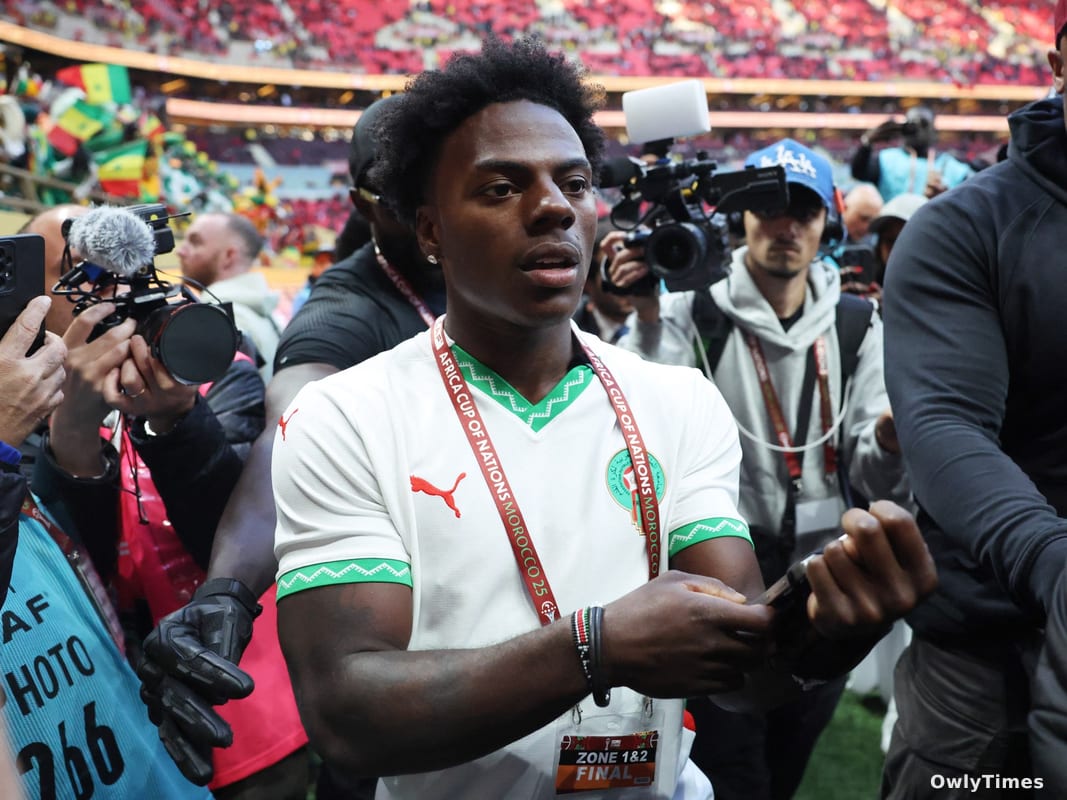
While the match in Atlanta was unfolding, FIFA was forced to reckon with the uglier side of the tournament’s digital footprint. According to Al Jazeera, the governing body issued a statement on Tuesday condemning a racist incident involving social media influencer IShowSpeed (Darren Watkins Jr.). During a livestream of an earlier match between Argentina and Cape Verde in Miami, a spectator was captured on video telling the creator to "go cry at the zoo." FIFA has since initiated an investigation, emphasizing that the World Cup must remain a celebration of "unity, diversity, and respect."
This incident serves as a stark reminder of the volatile intersection between traditional sports broadcasting and the world of modern digital influencers. With Speed boasting a combined following of over 150 million across platforms like YouTube, Instagram, TikTok, and X, his presence at these matches—facilitated by a unique deal with FIFA and Fox Sports—marks a deliberate attempt by the industry to bridge the gap between legacy media and the creator economy. When that bridge is crossed by hate speech, it forces an industry-wide conversation about the safety and responsibilities of the influencers who are now as much a part of the stadium experience as the players themselves.
As Argentina prepares to face Switzerland this Saturday, the tournament continues to act as a mirror for a fractured world—where elite athleticism, political activism, and the raw, sometimes toxic, energy of social media stardom all share the same stage. Whether it is the tactical mystery of why players are cutting holes in their socks to relieve muscle pressure, as noted by WIRED, or the deeper questions of fairness and representation, the 2026 World Cup is proving that the drama off the pitch is now just as compelling as the action on it.