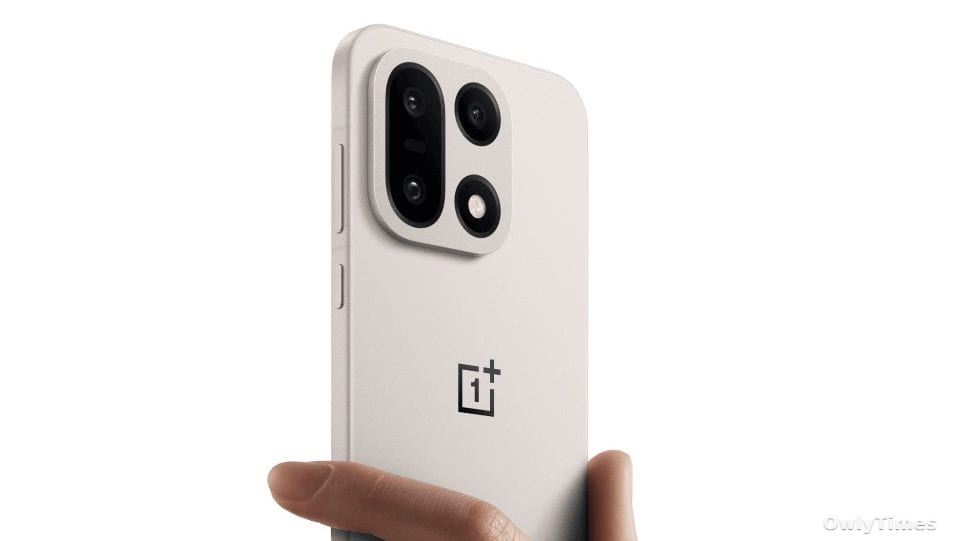

Is the "flagship killer" officially dead, or did it just realize it was fighting a war it couldn't win?
The era of the scrappy, enthusiast-focused Android brand is drawing to a close as OnePlus confirms it will no longer launch new products in North America and Europe. While the tech industry is prone to over-dramatizing corporate pivots, this isn't just another rebrand; it is a full-scale retreat. According to TechCrunch, the company is shuttering its operations in these regions to facilitate a "corporate rejig" at its parent firm, Oppo.
The real story here isn't just the disappearance of a logo from your local retailer — it's the consolidation of an entire ecosystem. Both Engadget and The Verge confirm that while OnePlus is bowing out, the hardware and software philosophy behind it are being absorbed into Oppo. This transition is immediate and, for current owners, deeply personal: your phones are effectively changing identities.
The End of OxygenOS
For those of you holding a OnePlus device, the most jarring change won't be the lack of new phones, but the software inside your current one. Oppo has confirmed that it will roll out its own ColorOS to OnePlus devices in North America and Europe in the coming months, replacing the long-standing OxygenOS. While The Verge notes that Oppo Europe CEO Elvis Zhou claims users will have the option to roll back to the older software, doing so will likely leave your device stagnant, as future updates will be tied to the new operating system.
It’s a classic Silicon Valley bait-and-switch: buy the phone for the clean, enthusiast-friendly software, only to have it replaced by the parent company's heavier, more corporate interface. Support and warranty agreements are ostensibly "guaranteed," but as The Verge points out, the company offered no specifics on how it plans to honor these commitments in the U.S. once its local presence is entirely dissolved.
A Shrinking Global Footprint
The contraction is far broader than just the Western market. While TechCrunch cites a report indicating that OnePlus will also wind down operations in India—previously one of its largest markets—the company remains tight-lipped on its long-term future. Maurice Klaehne, a senior research analyst at Counterpoint, put it bluntly: "The growth era’s over. The company is now doubling down on China and retreating from the rest of the world."
The financial pressure behind this move is undeniable. Analytics firms like IDC and Counterpoint have warned that smartphone shipments are expected to decline by more than 13% in 2026, a phenomenon tied to a global crunch in memory chips dubbed "RAMageddon." TechCrunch reports that OnePlus's shipment share in the U.S. had already plummeted to below 1% last year, making this retreat less of a choice and more of an inevitable surrender to cold, hard market data.
What Happens Next
We are watching the "flagship killer" become a relic of a time when startup disruption actually meant something. Meanwhile, parent company Oppo is shifting its own strategy, with plans for its sub-brand Realme to focus exclusively on overseas markets while abandoning China. Expect the next major signal of this transition to be the release of the OnePlus 16; if that device fails to launch outside of China, it will serve as the final confirmation that the company’s global chapter has officially closed.