
Is Silicon Valley now buying its own press? OpenAI’s acquisition of TBPN – Technology Business Programming Network – isn’t about expanding its media footprint, it’s about controlling the narrative. The real story here isn't OpenAI adding a podcast to its portfolio – it’s a calculated move to absorb and subtly steer the most influential, unfiltered voice within the tech industry itself. While Sam Altman insists his favorite show will maintain editorial independence, the appointment of Chris Lehane to oversee TBPN throws that claim into immediate and justifiable doubt.
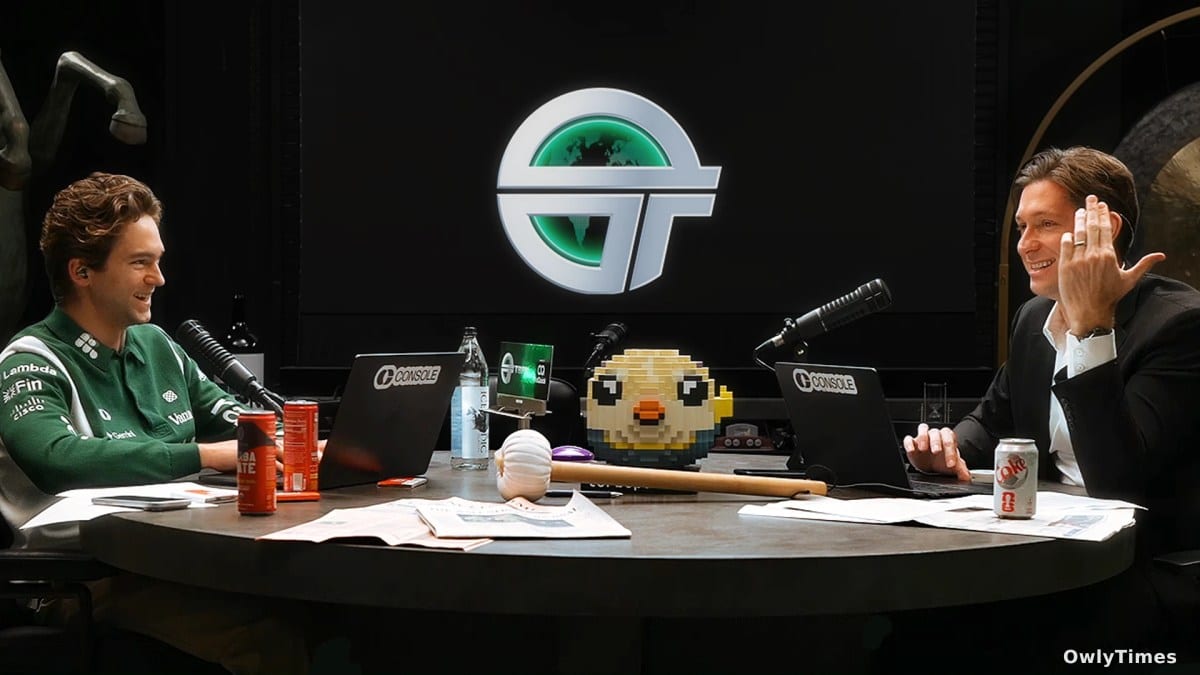
TBPN, hosted by John Coogan and Jordi Hays, carved out a unique space as a daily, three-hour live show on YouTube and X. It’s become the industry’s water cooler, a place where CEOs like Mark Zuckerberg, Satya Nadella, and Marc Benioff drop by to riff on the day’s news, often with a level of candor rarely seen in prepared statements. The show’s projected $30 million revenue this year speaks to its influence, but more importantly, to its access. It’s a closed-loop system of power and influence, and OpenAI just bought the key. Fidji Simo, OpenAI’s head of AGI deployment, frames this as a way to “bring AI to the world,” but that’s marketing speak for “manage the perception of AI.”
Based on the original TechCrunch report.
The concern isn’t that OpenAI will suddenly dictate what TBPN says about itself. It’s far more insidious than that. It’s about shaping the questions that are asked, the topics that are prioritized, and the overall framing of the AI debate. Lehane’s track record is particularly alarming. His history of deploying aggressive, often ethically questionable, political tactics – from coining the “vast right-wing conspiracy” to running the pro-crypto super PAC Fairshake, which spent hundreds of millions influencing the 2024 election – suggests a willingness to manipulate public opinion. He’s currently advising President Trump on AI policy, advocating for deregulation and expedited data center construction. This isn’t about informing the public; it’s about clearing the path for OpenAI’s ambitions.
OpenAI’s existing podcast already provides a platform for its own internal narratives. What TBPN offers is something far more valuable: the illusion of objectivity. By keeping the show’s branding intact and allowing Coogan and Hays to continue hosting, OpenAI can maintain a veneer of independence while subtly controlling the flow of information. Hays’ statement about moving “from commentary to real impact” is telling. Impact, in this context, means influence – the ability to shape the conversation around AI, not just observe it. The fact that OpenAI believes the “standard communications playbook just doesn’t apply” to them underscores the scale of their ambition and the unconventional methods they’re willing to employ.
This acquisition isn’t an isolated incident. It’s a symptom of a larger trend: tech companies increasingly seeking to control the media landscape. It’s a move that will likely be mirrored by other AI giants, creating echo chambers where critical voices are marginalized and the narrative is carefully curated. The average user, meanwhile, will be left to navigate a world where the information they consume about AI is increasingly shaped by the companies building it. The promise of open, democratic discussion about the future of this technology is fading fast.
Here’s what to watch for: over the next six months, pay attention to the types of guests TBPN features, the questions they ask, and the topics they avoid. Specifically, track whether critical voices – researchers raising safety concerns, ethicists questioning the societal impact of AI, or regulators pushing for stricter oversight – become less frequent on the show. If TBPN subtly shifts its focus towards celebrating OpenAI’s achievements and downplaying its risks, the acquisition will have achieved its intended purpose. The real test won’t be whether TBPN stops criticizing OpenAI, but whether it stops asking the right questions.