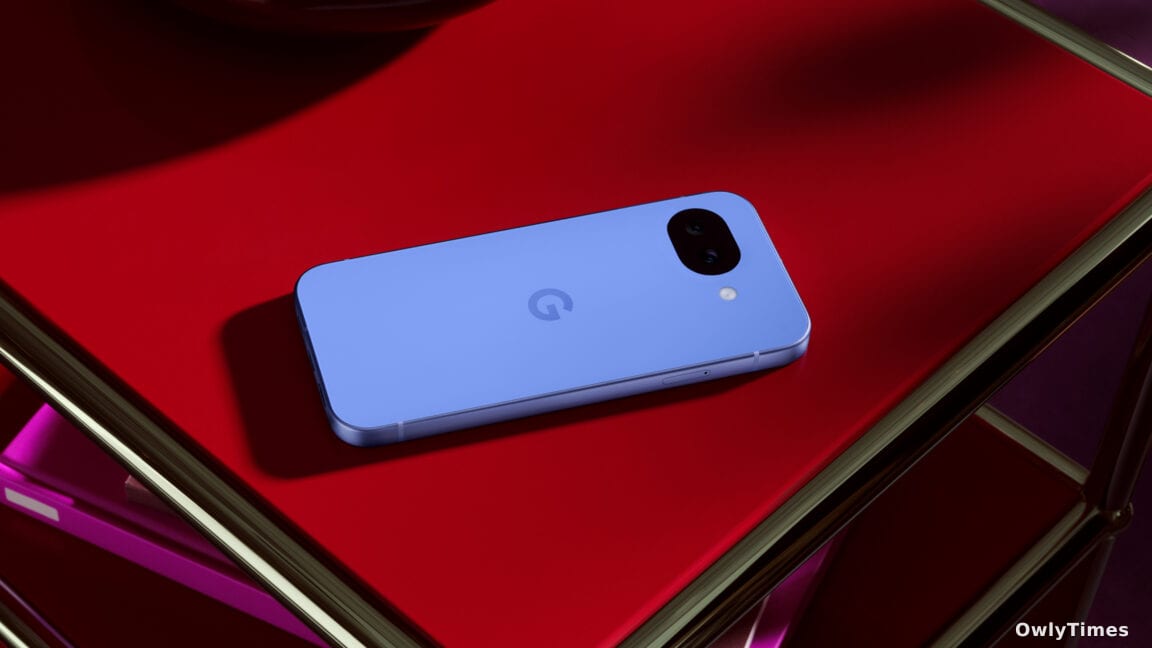

Is Google even trying anymore? The launch of the Pixel 10a, available for pre-order today and hitting shelves March 5th, feels less like innovation and more like a carefully calculated exercise in…minimal effort. While the tech press is dutifully listing the spec sheet – and it’s remarkably similar to last year’s Pixel 9a – the real story here isn't a new phone, it’s a signal about where Google sees the future of its hardware division, and it’s not a particularly inspiring vision.
The Illusion of Progress: Incremental Updates and Diminishing Returns
Let’s be clear: the Pixel 9a wasn’t a revolutionary device. It represented a welcome shift away from the older Pixel design language, prioritizing battery life and a flush camera bump. But Google’s decision to essentially re-release that phone with a slightly brighter screen (2700 to 3000 nits peak brightness) and marginally tougher glass (Gorilla Glass 3 to 7i) feels…disingenuous. The jump from Gorilla Glass 3 to 7i is a positive change, offering improved scratch and drop protection, but it’s hardly a headline feature. It’s the kind of upgrade you’d expect to see between major releases, not as the primary selling point of a new model. And while the faster wired charging (30W vs 23W) and slightly boosted wireless charging (10W vs 7.5W) are welcome, they’re incremental improvements that won’t fundamentally change your daily experience.
Based on the original Ars Technica report.
The Tensor G4 Hangover: Why Google is Playing it Safe
The most glaring omission is the continued use of the Tensor G4 chip. Google touted the Tensor G5 as a significant leap forward, and for good reason. To stick with the G4, citing a desire to “balance affordability and performance,” feels like a tacit admission that Google isn’t confident enough in its hardware strategy to justify a price increase. This isn’t about what the phone can do; it’s about what Google wants you to believe it can do. The average consumer doesn’t pore over benchmark scores, but they do notice when a new product feels…stuck. The Pixel 10a maintains the 8GB of RAM and 128/256GB storage options of its predecessor, further cementing the feeling of stagnation.
Sustainability as a Substitute for Innovation?
There’s a curious emphasis on recycled materials – 100% recycled aluminum frame, 81% recycled plastic back, and a significant percentage of recycled gold, tungsten, cobalt, and copper comprising 36% of the phone’s weight. This is commendable, and a clear response to growing consumer demand for sustainable products. But it feels increasingly like Google is leaning on environmental responsibility to distract from a lack of genuine innovation. It’s a smart PR move, but it doesn’t change the fact that this phone is, fundamentally, a refresh, not a revolution. The retention of a physical SIM slot, a feature removed from the flagship Pixel 10 series, is a small win for users who prefer that option, but again, it feels like a concession rather than a deliberate design choice.
What This Means for the Everyday User
This isn’t just about tech enthusiasts being disappointed. It’s about a broader trend of diminishing returns in the smartphone market. For years, we saw dramatic year-over-year improvements in processing power, camera quality, and display technology. Now, those improvements are becoming smaller and harder to notice. The Pixel 10a exemplifies this trend. It’s a perfectly capable phone, but it doesn’t offer a compelling reason to upgrade from the Pixel 9a, or even older models. This impacts ordinary users by forcing them to question the value proposition of annual upgrades. Are we reaching a point where buying a new phone every year is simply not worth the cost?
My prediction? Google will continue this strategy of incremental updates for the A-series for the next two years. They’ll focus on refining the existing formula, emphasizing sustainability and affordability, while reserving the truly groundbreaking innovations for the flagship Pixel line. The question isn’t if Google will eventually need to deliver a genuinely compelling A-series phone, but when they’ll realize that simply treading water isn’t a sustainable long-term strategy. Watch closely to see if the Pixel 11a continues this trend – if it does, it will be a clear signal that Google has abandoned the A-series as a platform for innovation.