
The Erosion of Herd Immunity: A Political Calculation in Tennessee’s Declining Vaccination Rates
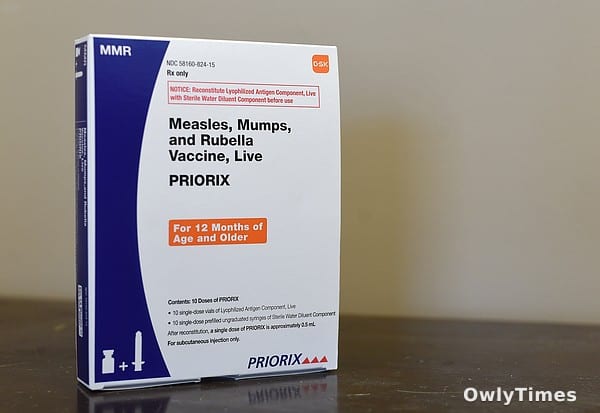
The resurgence of measles in Tennessee isn’t a public health failure in isolation; it’s a predictable consequence of a strategic shift in the political landscape surrounding public health interventions. While Dr. Katherine Hall of the Tennessee Academy of Family Physicians frames the issue as one of informed consent and individual choice, the plummeting vaccination rates – with nearly every county now below the herd immunity threshold for measles, and Williamson County registering less than 50% – reveal a deeper vulnerability exploited by forces prioritizing perceived liberty over collective safety. The current situation isn’t simply about misinformation; it’s about the successful political mobilization of distrust in medical authority.
Source material: timesfreepress.com.
The numbers tell a stark story. Tennessee saw its first measles case in five years in 2024, escalating to eight cases in 2025 – the highest in a decade. This trajectory mirrors a disturbing trend unfolding nationally, most dramatically in South Carolina, which is currently grappling with nearly 1,000 measles cases, the largest outbreak in the U.S. in over 30 years. The comparison isn’t accidental. South Carolina, like Tennessee, has seen a concerted effort to weaken public health mandates and amplify anti-vaccine narratives, often framed as resistance to government overreach. Who benefits and who loses here? Anti-vaccine advocacy groups gain influence, while vulnerable populations – children, the elderly, and those with compromised immune systems – bear the brunt of increased disease risk.
This isn’t a novel phenomenon. Throughout history, anxieties about bodily autonomy and distrust of centralized authority have been potent political tools. The 19th-century anti-vaccination leagues in England, for example, arose alongside broader anxieties about state intervention in personal lives. They successfully delayed mandatory vaccination policies despite overwhelming scientific evidence supporting their efficacy. The parallel is striking: then, as now, opposition to vaccination wasn’t solely about medical concerns, but about a broader rejection of perceived societal control. The current wave of vaccine hesitancy in Tennessee, fueled by online misinformation and amplified by political rhetoric, is a contemporary iteration of this historical pattern. Dr. Hall acknowledges the role of “public discourse at the state and federal level” in spreading misinformation, but the framing stops short of identifying the deliberate political strategies at play.
The current respiratory season, marked by surges in influenza, COVID-19, and RSV, further underscores the stakes. These viruses, while predictable, are hitting a population with diminished defenses. The impact isn’t merely statistical; it translates to overwhelmed emergency rooms, missed workdays, and increased strain on the healthcare system. Dr. Hall rightly points out that vaccines don’t eliminate risk, but they significantly reduce the likelihood of severe outcomes. However, this message is increasingly drowned out by narratives emphasizing individual risk assessment and downplaying the importance of collective immunity. The emphasis on individual choice, while ethically sound in principle, becomes strategically problematic when it undermines a crucial public health function.
The political chess move to watch next isn’t whether Dr. Hall and the Tennessee Academy of Family Physicians can convince more parents to vaccinate their children – though that remains vital. It’s whether Tennessee lawmakers will respond to the escalating crisis by reinforcing public health infrastructure and actively countering misinformation, or whether they will continue to cater to the vocal minority who prioritize individual “freedom” over the collective well-being. Specifically, will the state legislature consider measures to strengthen vaccine education programs in schools, or to address the spread of misinformation online? The answer to that question will determine whether Tennessee follows South Carolina down a path of preventable disease outbreaks, or charts a course toward restoring herd immunity and protecting its most vulnerable citizens.