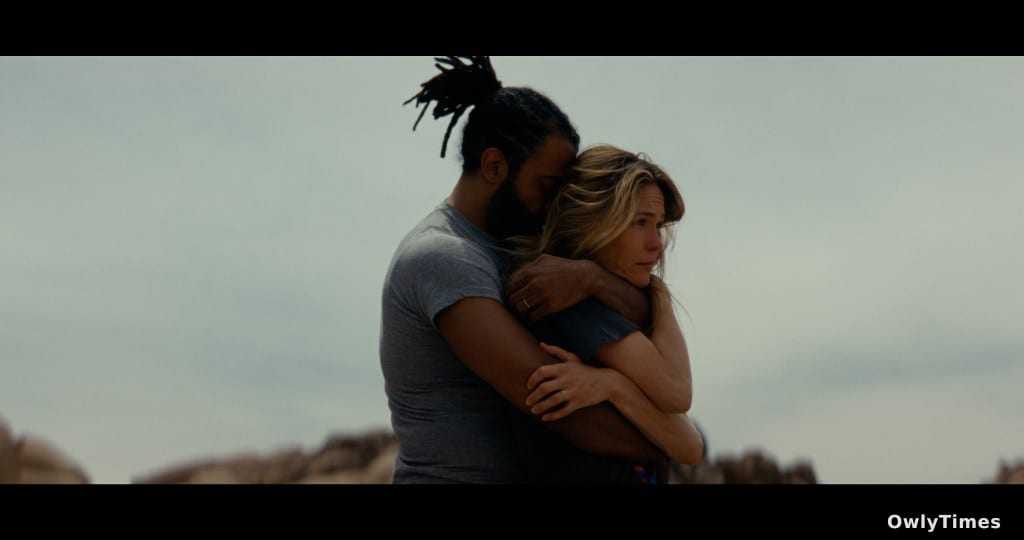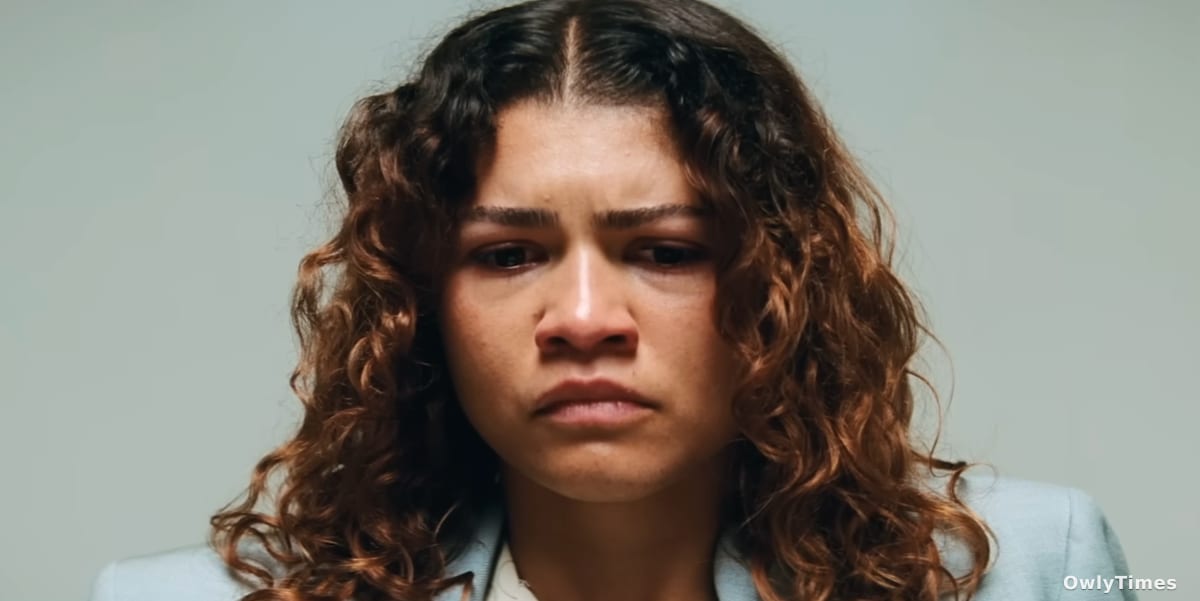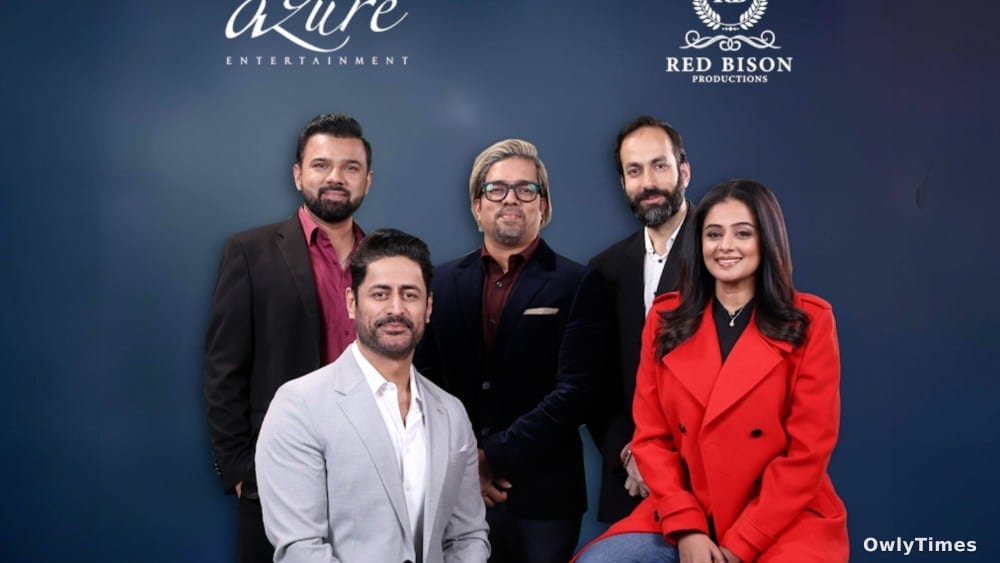

The chipped ceramic of a chai glass, held tight against the New Jersey chill, is the image Mohit Raina keeps returning to as he prepares for his role in a film that’s already rewriting the rules of international cinema. It’s a small detail, he says, but it encapsulates the quiet, everyday struggles of the immigrant experience – a longing for home held within the practicalities of a new life. That image, and the story it represents, is about to be shared on a global stage, thanks to a groundbreaking partnership between U.S.-based Red Bison Productions and Mumbai’s Azure Entertainment. This isn’t just another film deal; it’s a carefully constructed bridge between two of the world’s most prolific filmmaking nations, built on a story that feels particularly urgent right now.
A Second Life for a Story Rooted in Truth
The project, currently untitled, began taking shape in 2023 with a different cast and title, but underwent a significant overhaul. This isn’t uncommon in Hollywood, but the fact that this revamp involved a deliberate shift towards a more authentically cross-cultural approach speaks volumes. Harsh Mahadeshwar is now directing and writing the film, which centers on the true story of an immigrant family grappling with identity and belonging in America. The narrative isn’t simply about the immigrant experience; it’s being crafted with it, featuring Indian National Film Award-winning actress Priya Mani (“Paruthiveeran,” “The Family Man”) alongside Raina (“The Freelancer”). The decision to film across both the U.S. – specifically New York and New Jersey – and India (Delhi and Jammu-Kashmir) isn’t a logistical convenience, but a narrative necessity. It’s a visual representation of the fractured, often painful, duality at the heart of the story.
Original reporting: variety.com.
This collaboration arrives at a moment when Hollywood is facing increasing scrutiny over representation and authenticity. While diversity initiatives have gained traction, genuine cross-cultural storytelling remains a challenge. According to a 2023 UCLA Hollywood Diversity Report, people of color comprised 28.4% of all film leads, a slight increase from 2022, but still significantly below population parity. This film isn’t simply ticking a box; it’s attempting to dismantle the box altogether by centering a story that inherently demands a global perspective. Romila Saraf Bhat, founder of Red Bison Productions, emphasizes that the story “demanded a global voice and an honest cinematic treatment,” a sentiment echoed by Raina, who calls the project “very close to my heart because it explores identity and belonging in a deeply honest way.”
Azure Entertainment’s Leap onto the Global Stage
For Azure Entertainment, this partnership represents a monumental step. The Mumbai-based company, known for producing action thrillers like “Rocky Handsome” and dramas like “Kesari,” is making its first foray into Hollywood co-production. Prashant Ramesh Mishra, CEO and co-founder of Azure Entertainment, frames the venture as “a defining moment” for his company, a strategic move to expand its reach beyond the Indian market. But it’s more than just business. Mishra articulates a deeper ambition: to tell stories that transcend borders and tap into “the shared human experience of aspiration, loss, and resilience.” This isn’t about simply exporting Indian cinema to a Western audience; it’s about creating a truly collaborative cinematic language.
The timing is also crucial for the Indian film industry. Bollywood, while a global force, has faced challenges in recent years, including fluctuating box office returns and increased competition from streaming services. A successful Indo-Hollywood collaboration could not only boost Azure Entertainment’s profile but also signal a new era of international co-productions for the entire Indian film industry, potentially unlocking new funding opportunities and wider distribution networks. The Indian media and entertainment industry is projected to reach $100 billion by 2030, according to a report by Ernst & Young, and partnerships like this are vital to achieving that growth.
Beyond the Headlines: The Weight of Representation
What’s particularly compelling about this project is its commitment to nuance. The narrative isn’t framed as a simple “American Dream” story, but as a complex exploration of the sacrifices, compromises, and internal conflicts inherent in the immigrant experience. Priya Mani highlights the “emotional truth” of the story as a key draw, suggesting a willingness to delve into the less glamorous, more challenging aspects of building a new life. This is a departure from the often-romanticized portrayals of immigration seen in mainstream cinema.
The fact that the film is based on a true story adds another layer of weight. It’s not a fictionalized account designed to appeal to a broad audience; it’s a specific family’s experience, entrusted to these filmmakers to be told with sensitivity and respect. This raises the stakes considerably. The success of the film won’t just be measured in box office numbers, but in its ability to resonate with audiences who have lived similar experiences and to foster empathy among those who haven’t.
This collaboration between Red Bison and Azure isn’t just about making a movie; it’s about challenging the established power dynamics within the global film industry. Will this project pave the way for more authentic, cross-cultural collaborations, or will it remain an isolated success story? The industry will be watching closely to see if this film can truly deliver on its promise of global storytelling – and whether it can inspire a new generation of filmmakers to look beyond borders for the stories that matter most.