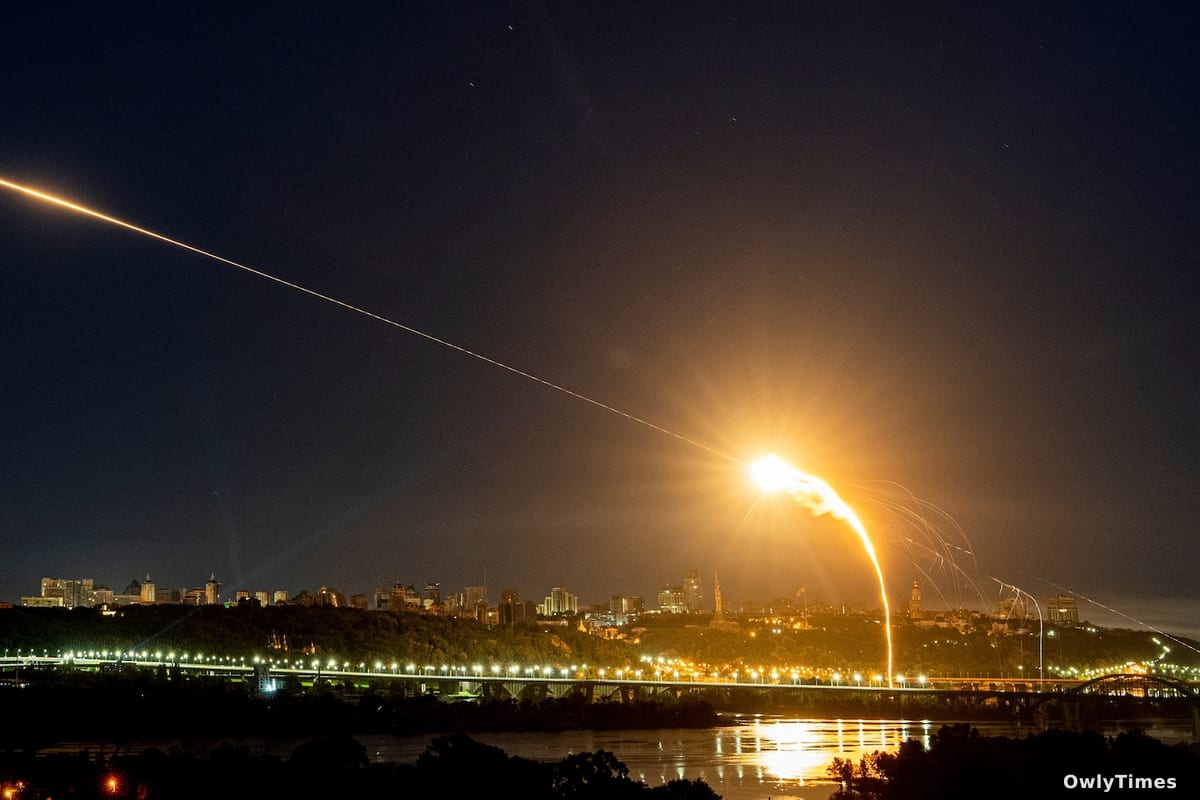

Is the future of warfare just… reciprocal tech support? That’s the unsettling question emerging from a recent revelation: Russia is shipping drones back to Iran, complete with upgrades based on technology originally sourced from Iran. Forget asymmetrical warfare; we’re entering an era of asymmetrical improvement, where nations aren’t just buying weapons, they’re crowdsourcing R&D through conflict. The real story here isn’t about drones themselves – it’s about the collapsing barriers between weapons manufacturer and weapons user, and what that means for global stability.
A Drone Swap: How It Works
According to U.S. and European officials who spoke with the Associated Press on March 27, 2026, Russia is currently sending a shipment of drones to Iran. These aren’t just any drones, though. They include enhanced versions of the Shahed drone technology that Tehran initially provided to Moscow following the invasion of Ukraine in 2022. Think of it like this: Iran sent Russia a basic model, Russia tinkered with it in the field – learning from actual combat deployment, a far more brutal testing ground than any lab – and now they’re sending the improved version back to Iran. This isn’t a simple arms deal; it’s a closed-loop feedback system for military technology. The implications are far-reaching, especially considering the relatively low cost and ease of production of Shahed drones.
See the original The Washington Post story for the full account.
The Ukrainian Battlefield as a Tech Incubator
The significance of this exchange is amplified by the context of the Ukraine war. Since May 30, 2023 – as documented by Evgeniy Maloletka’s photographs of Ukrainian air defenses intercepting Shahed drones – these weapons have been a constant threat. Ukraine has adapted, developing countermeasures, but the sheer volume and evolving tactics have kept them on the defensive. Now, those adaptations Russia has observed – and likely incorporated into the upgraded drones – will soon be in Iran’s arsenal. This isn’t just about bolstering Iran’s capabilities; it’s about accelerating the pace of drone warfare innovation. The battlefield in Ukraine is effectively serving as a live-fire testing ground, with the results being rapidly disseminated to other actors. This is a dangerous precedent, particularly for nations lacking robust independent defense industries.
Beyond Russia and Iran: The Ripple Effect
The immediate concern is, naturally, regional escalation. Iran’s enhanced drone fleet could pose a greater threat to Israel, Saudi Arabia, and other regional powers. But the broader impact is more insidious. This reciprocal tech transfer demonstrates a willingness to circumvent traditional arms control mechanisms and exploit vulnerabilities in the global supply chain. It also highlights the increasing importance of “open-source” warfare, where designs and modifications are shared – intentionally or unintentionally – across borders. Consider the implications for smaller nations: if a relatively unsophisticated actor like Iran can rapidly improve its drone capabilities through this kind of exchange, what’s to stop other states from doing the same? The barrier to entry for advanced military technology is plummeting, and that’s a destabilizing force.
The Cost of "Cheap" Warfare
The focus on the affordability of drones – the Shahed is notoriously inexpensive to produce – often overshadows the true cost of this new era of warfare. It’s not just about dollars and cents; it’s about the erosion of strategic restraint. When weapons are cheap and readily available, the calculus of conflict changes. The risk of escalation increases, and the potential for miscalculation grows. We’ve seen this play out in Ukraine, where the low cost of drones has enabled a relentless barrage of attacks, pushing the conflict into a protracted stalemate. This isn’t a technological triumph; it’s a grim illustration of how easily technology can amplify existing tensions.
Looking ahead, expect to see a surge in “reverse engineering” and collaborative weapon development among nations facing common adversaries. The next major conflict won’t be defined by who has the most advanced weapons, but by who can adapt and improve their technology the fastest. The question isn’t if we’ll see more drone swaps like this one, but when the next iteration – perhaps involving AI-powered targeting systems or swarm technology – will emerge. And the ordinary user? They’ll be paying for it, not just in taxes, but in a world where the threat of conflict is perpetually escalating, fueled by a cycle of reciprocal technological one-upmanship.