
The current surge in science fiction releases isn’t simply escapism; it’s a reflection of our anxieties about the very near future, and a testing ground for how we might grapple with them. While headlines often focus on the spectacle – Mars colonies, resurrected Neanderthals, alien viruses – the most compelling new works are quietly interrogating the human cost of technological advancement and societal upheaval. This isn’t about predicting the future, but about using imagined scenarios to illuminate the present, and the latest wave of sci-fi novels arriving this month offers a particularly rich vein of such exploration.
The anticipation surrounding Charlotte Robinson’s Mars One is understandable. The premise – a one-way mission to Mars complicated by a mysterious disappearance back on Earth – taps into our enduring fascination with the Red Planet, fueled in part by ongoing missions and the recent success of films like The Martian. However, the publisher’s comparison to both Andy Weir’s pragmatic survival story and Terry Hayes’s intricate spy thriller sets a high bar, and suggests a narrative complexity beyond a simple space adventure. The core tension isn’t just will they reach Mars? but what are they running from, and who is pulling the strings? This dual narrative structure, linking a terrestrial mystery to the Martian voyage, is where the novel’s potential lies, moving beyond the technical challenges of space travel to examine the motivations and vulnerabilities of those who undertake it.
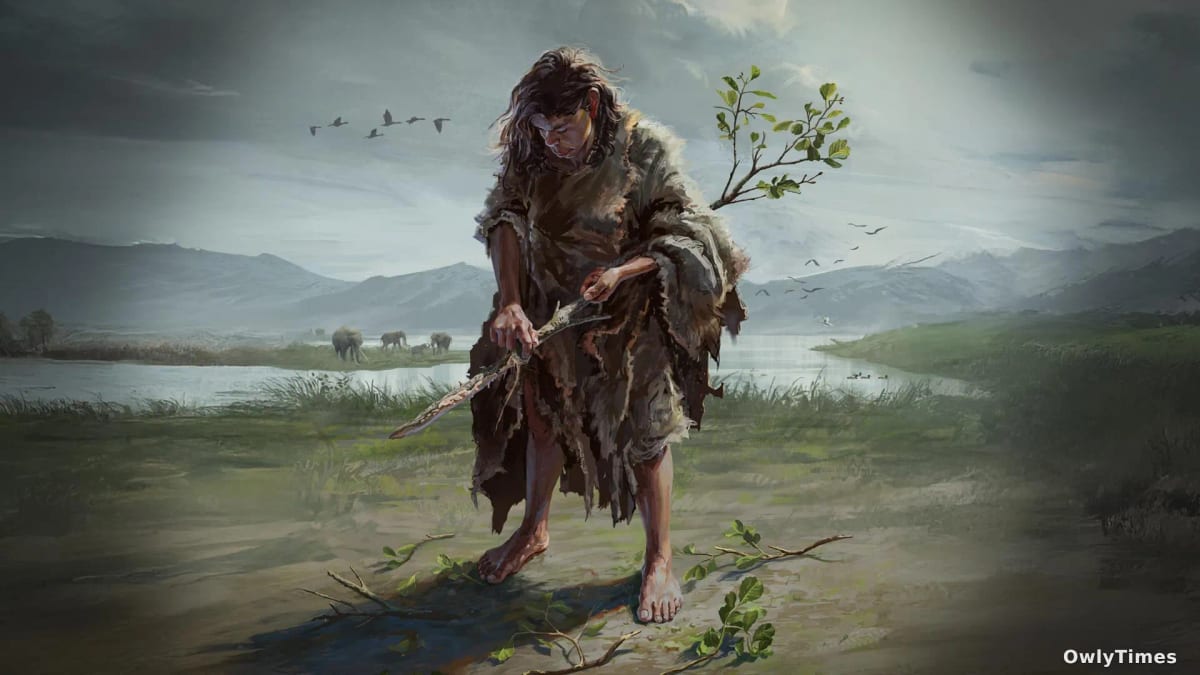
Beyond the allure of Mars, several releases delve into the unsettling possibilities of biotechnology and artificial intelligence. Douglas Preston and his daughter, Aletheia Preston’s Paradox, continues the thread of de-extinction begun in Extinction, adding resurrected Neanderthals and a shadowy organization to the mix. While Preston’s work often leans towards the “thrilling” side of science, the underlying premise – the ethical and societal implications of bringing back extinct species – is a serious one. The potential for conflict between Homo sapiens and Neanderthals, as hinted at in the novel, isn’t merely a plot device; it’s a thought experiment about our place in the evolutionary hierarchy and the consequences of tampering with the natural order. It’s a playful exploration, admittedly, but one that resonates with current debates surrounding genetic engineering and conservation.
Perhaps the most subtly unsettling of the new releases is Max Lury’s No Ghosts. The premise – finding traces of the deceased within AI-generated videos – isn’t about literal hauntings, but about the evolving nature of memory, identity, and grief in a digital age. As our lives become increasingly mediated by technology, the line between the physical and the virtual blurs, raising profound questions about what it means to be human. Lury’s novel doesn’t offer easy answers, but instead explores the anxieties surrounding data privacy, algorithmic bias, and the potential for technology to both preserve and distort our memories. The publisher’s claim that it explores “new forms haunting might take” is apt; it’s a haunting not of spirits, but of data.
Drawn from newscientist.com.
It’s important to note the limitations of drawing broad conclusions from a single month’s releases. The selection is, by definition, curated – reflecting publisher priorities and current market trends. Furthermore, the quality of these novels will vary, and critical reception will undoubtedly shape their long-term impact. However, the sheer volume of speculative fiction arriving now, and the recurring themes within it, suggest a broader cultural preoccupation with the uncertainties of the future.
Looking ahead, the key question isn’t whether these novels will accurately predict the future, but whether they will inspire us to confront the challenges and opportunities that lie ahead. Will these narratives spark meaningful conversations about the ethical implications of biotechnology, the societal impact of artificial intelligence, and the future of humanity in a rapidly changing world? The success of these books won’t be measured in sales figures, but in their ability to provoke thought and inspire action. We should be watching not just what stories are being told, but who is listening, and how they respond.