
When climatologists discuss the recurring pulse of the tropical Pacific Ocean known as El Niño, the conversation often centers on the temporary temperature spikes it triggers. However, a group of researchers briefing the public this week shifted the focus from these cyclical shifts to a more permanent, underlying reality: the global climate system is now so fundamentally altered by human activity that historical comparisons to previous El Niño events are increasingly losing their predictive power.
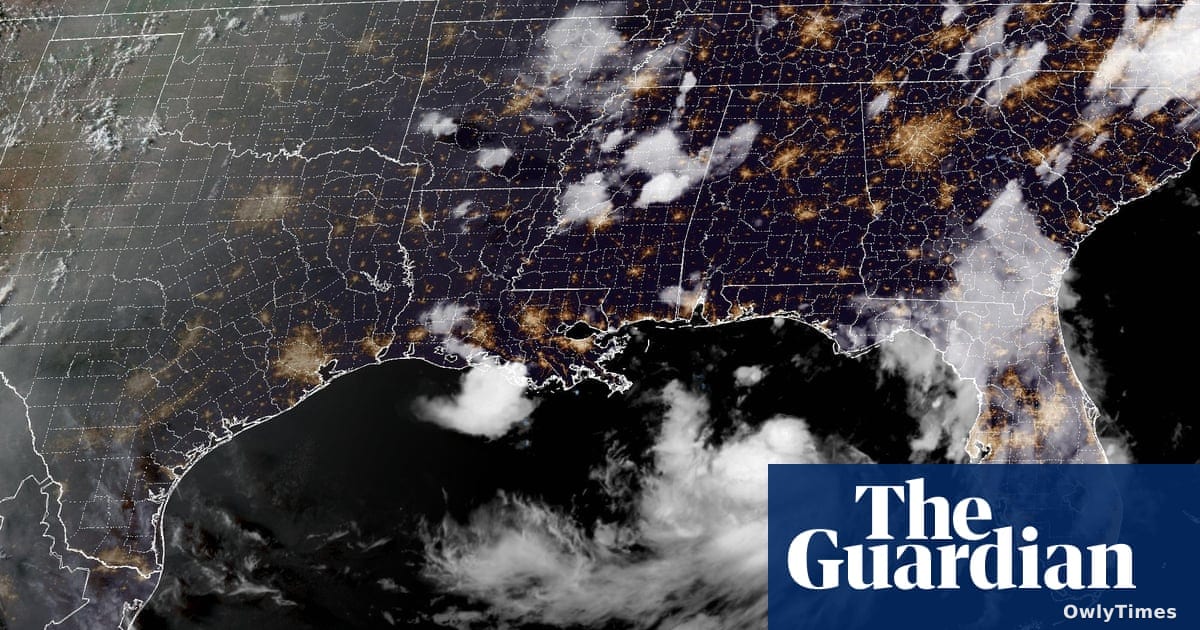
The core scientific question here is whether we can distinguish the "noise" of natural variability from the "signal" of long-term warming. While El Niño is a well-understood phenomenon that releases massive amounts of heat into the atmosphere—raising average annual global surface temperatures by as much as 0.3 degrees Fahrenheit—it is no longer the primary driver of our current environmental extremes. As Fredi Otto, a professor in climate science at Imperial College London, noted, the true danger lies in the "serious risk of unprecedented weather extremes" that emerge when a developing El Niño is superimposed onto a planet that is already in the midst of a long-running fever.
Distinguishing Natural Cycles from Human Impact
The headlines often conflate these two forces, but the methodology used by World Weather Attribution (WWA)—a group that has analyzed over 100 extreme climate events since 2014—seeks to decouple them. By isolating the role of El Niño in specific disasters, the researchers consistently find that human-induced climate change has a much greater influence on the intensity and likelihood of events than the oscillation cycle itself.
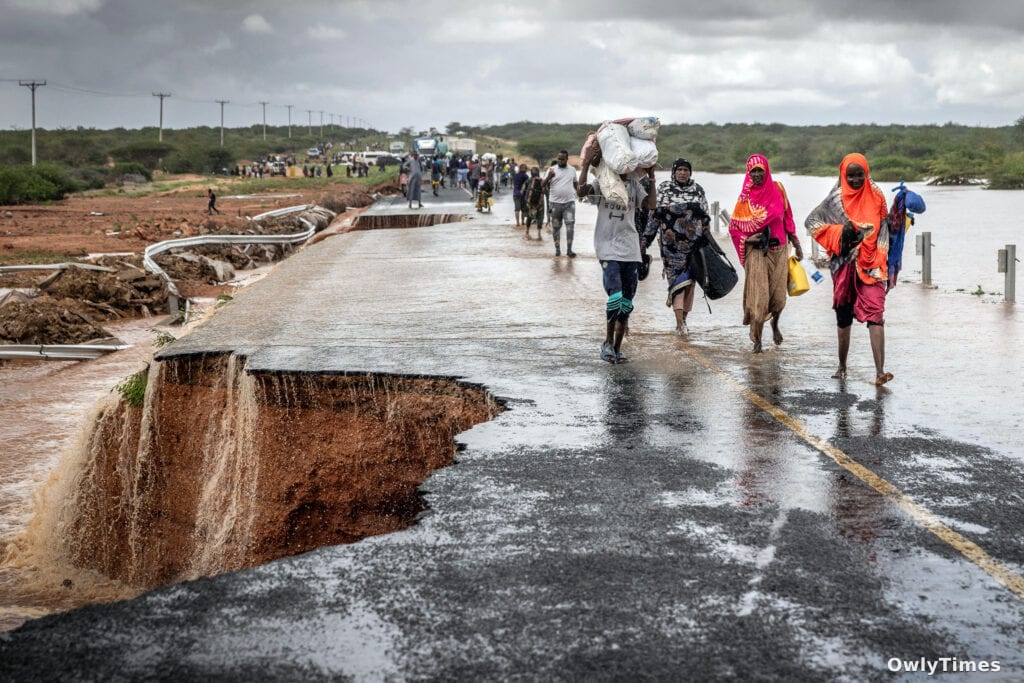
For instance, their assessment of the extreme rains in the Horn of Africa at the end of 2023 concluded that human-caused warming "far eclipsed" the influence of the El Niño cycle. This distinction is vital for public policy and disaster preparedness. If we treat every extreme event as an inevitable byproduct of a natural cycle, we risk downplaying the urgency of decarbonization. As Otto pointed out, El Niño cycles come and go, but the warming trend caused by burning fossil fuels persists and intensifies.
The Hidden Toll of Extreme Heat
The convergence of these forces is not merely an academic concern; it is a public health emergency. Jemilah Mahmood, director of the Sunway Centre for Planetary Health at Sunway University in Indonesia, emphasized that the impact of this synergy is measured in human lives. She highlighted that the world currently sees an estimated 546,000 total annual heat-related deaths.
Mahmood’s perspective challenges the way we categorize crises. Because heat does not leave a visible "floodline" or arrive with the fanfare of a named storm, it often remains ignored by systemic policy until the mortality rate spikes. This "equity scandal," as she described it, means that those who have contributed the least to the global carbon footprint are disproportionately bearing the health costs of a warming world.
A Volatile Outlook for Global Wildfires
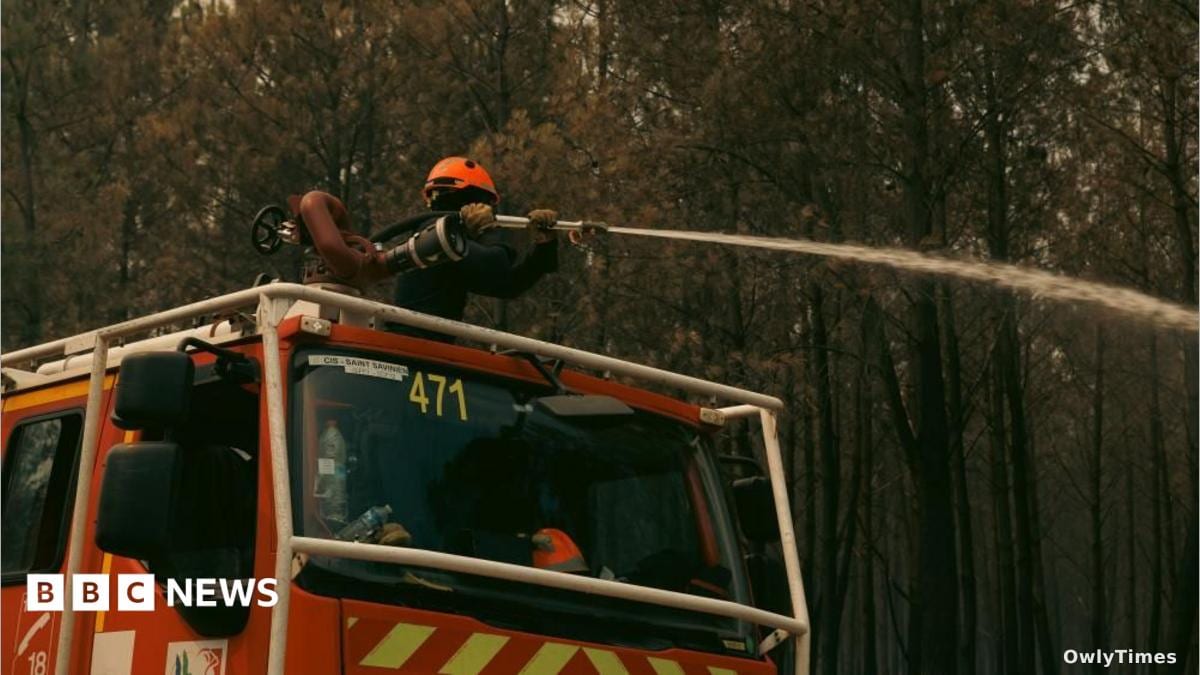
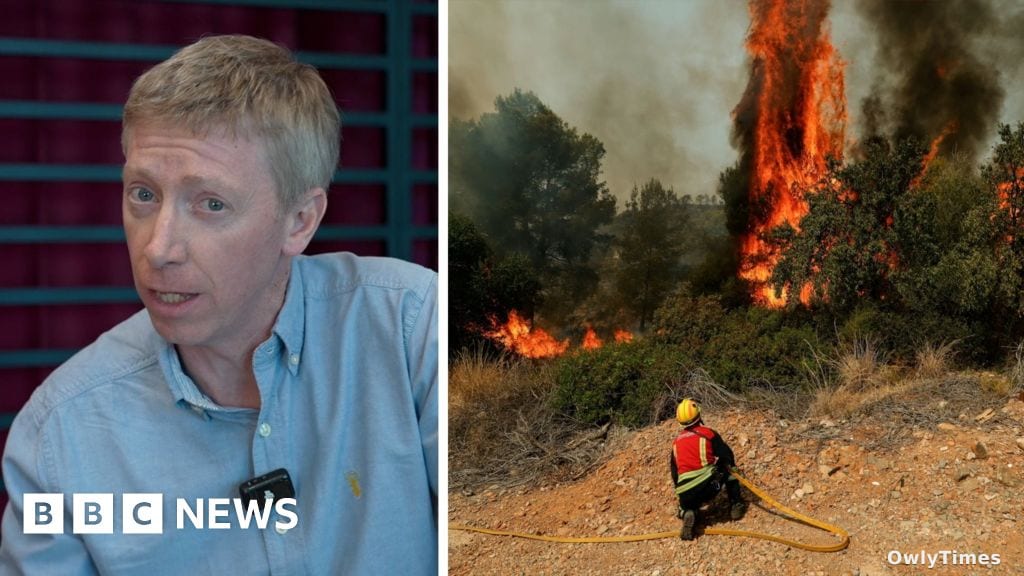
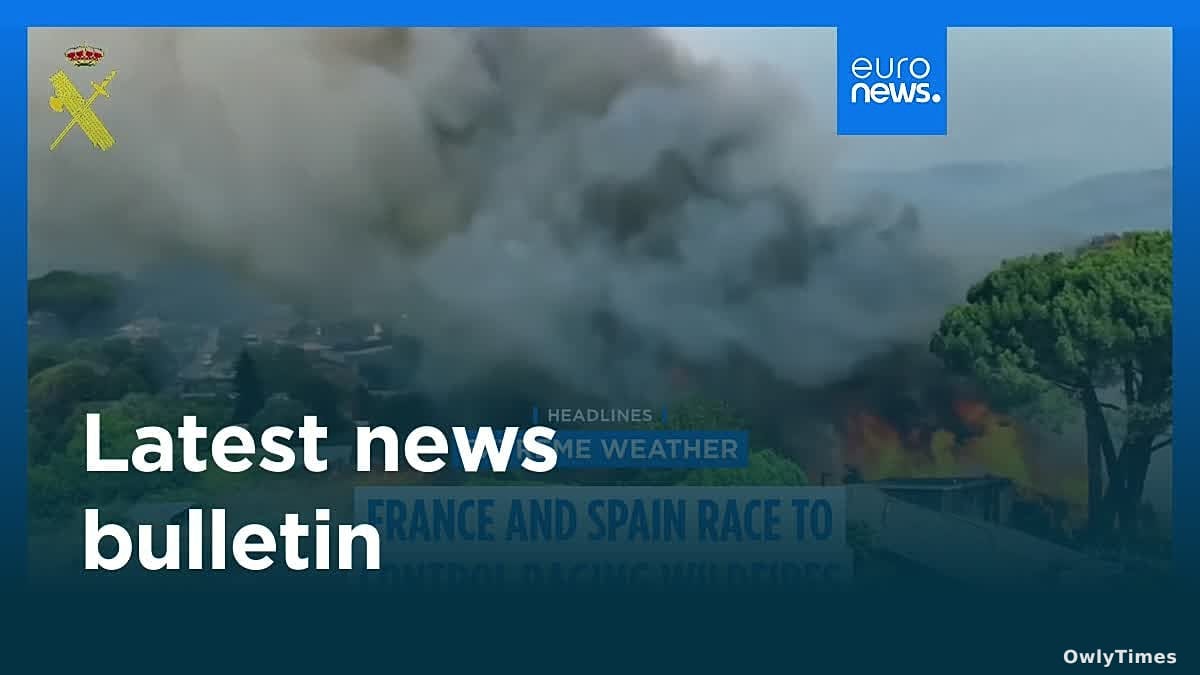
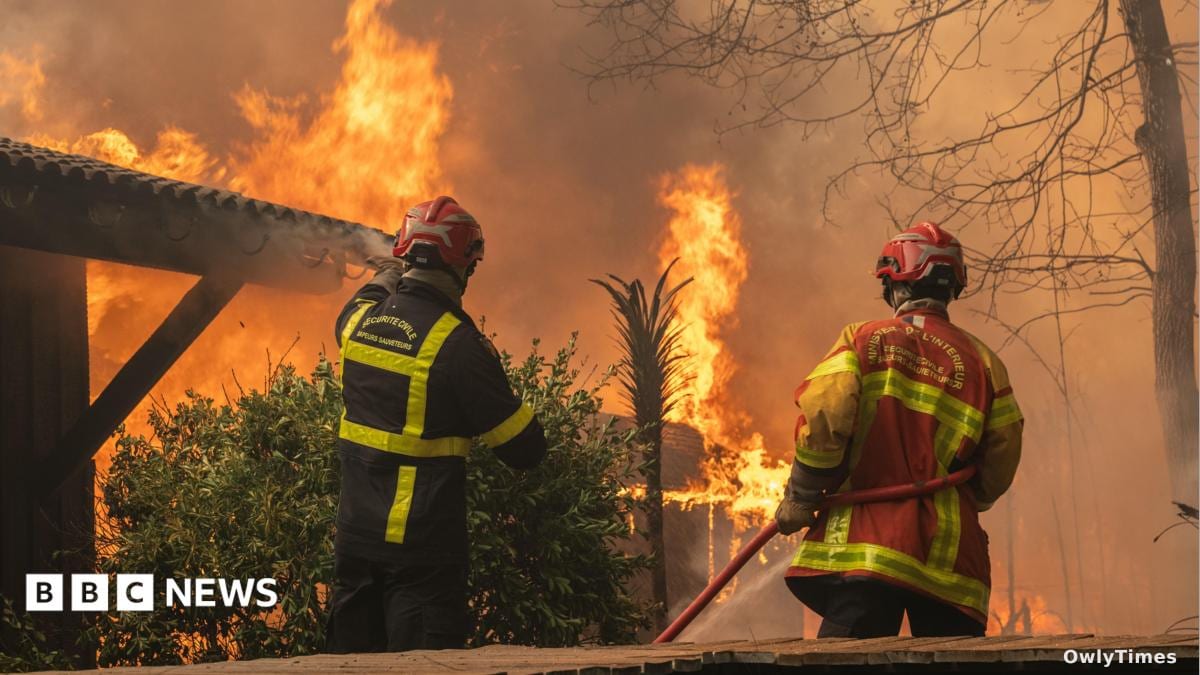
The physical landscape is also responding to this "whiplash" effect, where extreme moisture cycles are followed by rapid, intense drying. Theodore Keeping, a wildfire researcher at the University of Reading in England, noted that we are currently seeing a particularly severe year for fires. So far, over half a million square miles have been scorched—a figure that is 50 percent higher than the average over the past 25 years.
Limitations to Consider
While the data provided by these researchers is compelling, it is important to remember that attribution studies are complex. Isolating human influence from natural cycles in a chaotic global climate system involves significant statistical modeling, and local outcomes can vary wildly based on geography. Furthermore, the "unprecedented" nature of future events is a projection, not a historical certainty.
Next Steps for Climate Science
The researchers are now closely monitoring how the current El Niño trajectory influences the remainder of the wildfire season in the Amazon, Canada, the western United States, and Australia. The next reading of these wildfire metrics and regional temperature anomalies will determine if the current year reaches the upper limits of the projected "severe" classification. Moving forward, the scientific community is focused on refining regional attribution models to better inform infrastructure and public health planning, ensuring that societies can adapt to a climate that no longer behaves according to 20th-century precedents.