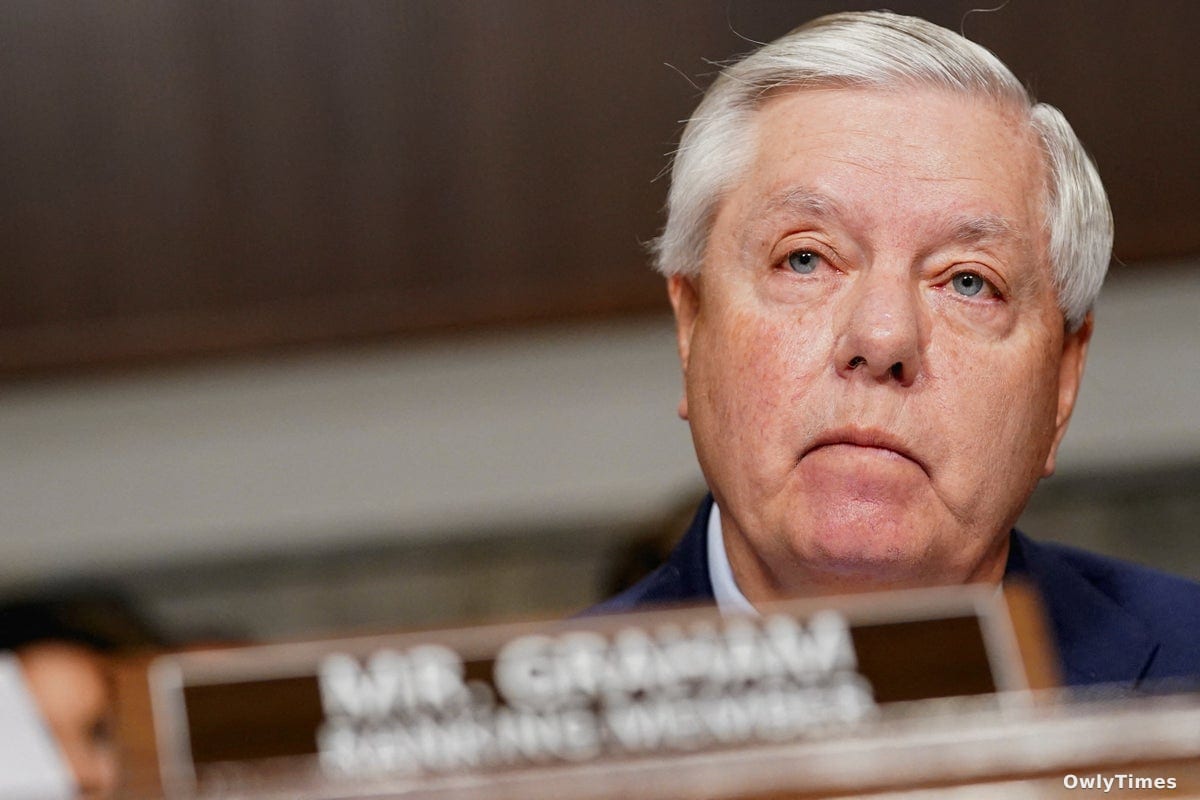

The sudden passing of Senator Lindsey Graham at the age of 71 has sparked a complex intersection of medical inquiry, political transition, and diplomatic logistics. While public discourse has been colored by speculation, medical documentation provides a clear, if sobering, clinical picture of the event.
Understanding the Clinical Cause
According to a preliminary report released by the Medical Examiner of the District of Columbia, the senator died on July 11 due to an aortic dissection—a tear in the inner layer of the aorta—resulting from arteriosclerotic cardiovascular disease. In a statement reported by NBC News, President Donald Trump—who spoke with Graham on the night of his death—noted that the condition can be difficult to detect, referencing the senator’s history of back pain as a potential, albeit subtle, clinical sign.
While some observers have questioned the circumstances of the death, federal authorities are maintaining a presence at the late senator's residence. NBC News observed nearly 20 FBI and federal agents at the row house on July 13, noting that they were documenting the scene. However, these same law enforcement sources emphasized that there is no evidence to suggest foul play. The President explicitly dismissed the need for such inquiries, stating, "I don’t see a lot of evil there," and characterizing the FBI’s presence as a waste of time.
Diplomatic and Legislative Complications
The planning of Senator Graham’s funeral has become a significant logistical challenge, with international leaders expressing a desire to pay their respects. South Carolina Senator Tim Scott explained to reporters on July 15 that coordinating the schedules of global dignitaries with the availability of the National Cathedral has rendered a funeral this week an "impossibility," according to The Independent.
This delay has directly impacted international schedules; The Independent reports that Israeli Prime Minister Benjamin Netanyahu has postponed his planned trip to the United States until the end of the month to accommodate the service. Senator Scott indicated that services are now expected to occur next week in Washington, D.C., followed by a secondary service in South Carolina within 24 to 48 hours.
The Path to Succession
The vacancy created by Graham’s death has triggered an immediate, high-stakes political scramble in South Carolina. Governor Henry McMaster has appointed the late senator’s sister, Darline Graham Nordone, to fill the seat until the current term concludes in January 2027, as reported by both The Independent and CBS News.
However, the permanent successor for the next full six-year term will be decided through a special primary election. CBS News outlines the following timeline:
- July 21–28: Candidate filing period.
- August 11: Primary election date.
- August 25: Runoff election, if no candidate secures a majority.
- November 3: General election against Democrat Annie Andrews.
Several high-profile Republicans, including Representatives Nancy Mace, Ralph Norman, and Russell Fry, have been identified as potential candidates, with some confirming they are considering a bid.
Limitations to Consider
It is important to distinguish between confirmed medical data and the broader social commentary currently surrounding this event. While some reports, such as those from ABC News, frame the senator's death as a catalyst for a national conversation regarding the health transparency of aging politicians, these are separate from the specific clinical facts of Graham’s passing. The medical examiner’s findings remain preliminary, pending the results of toxicology and further testing.
Future developments will hinge on the release of final toxicology reports and the progression of the candidate filing window starting July 21. Understanding these timelines is essential to separating the procedural reality of the Senate vacancy from the speculative narratives often generated in the wake of such sudden losses.