
Is the current escalation in the Middle East a calculated strategic maneuver, or are we witnessing the chaotic unraveling of a fragile geopolitical ceasefire? The real story here isn't just the tactical exchange of fire in the Strait of Hormuz—it’s the total collapse of the preliminary peace deal, leaving global markets and ordinary citizens to brace for the shockwaves of an intensifying conflict.
As of Wednesday, July 15, 2026, the United States military conducted two distinct waves of airstrikes against Iranian soil, according to the BBC. These operations targeted command centers, air defense systems, and missile storage sites, including strikes on Greater Tunb Island and locations near Tehran, as reported by The Independent. For the average user, the impact is already materializing; Euronews notes that these tensions are directly driving global oil prices higher, a ripple effect that turns regional violence into a household expense.
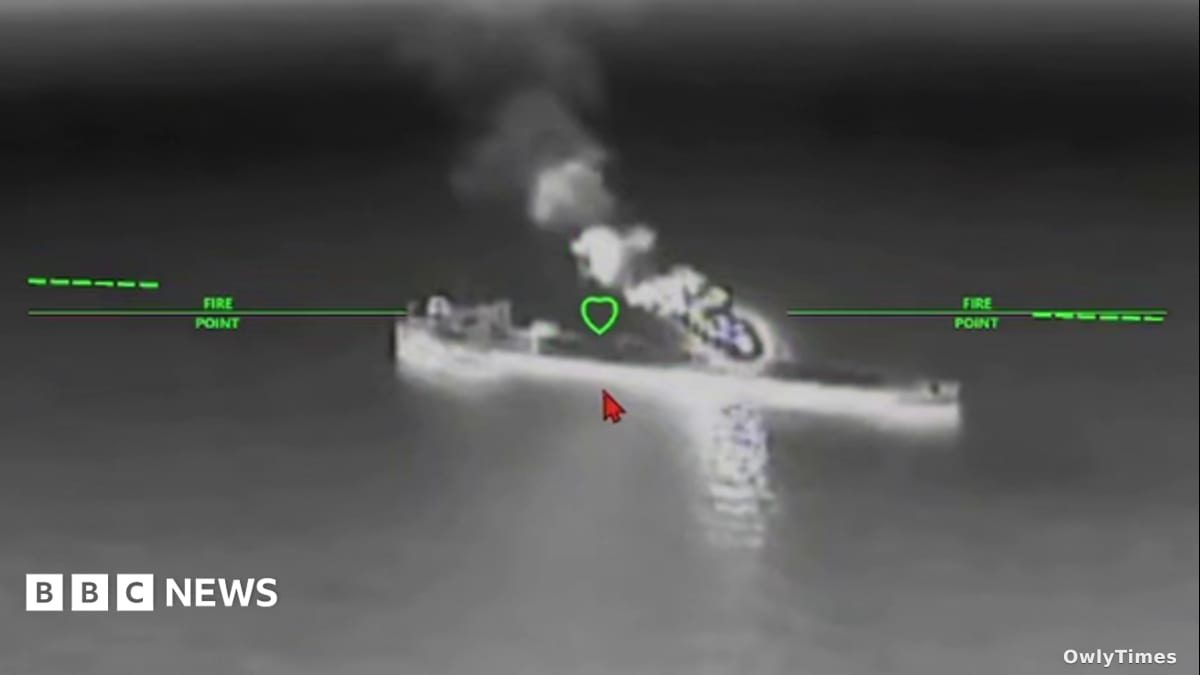
The technical nature of this engagement mirrors the volatility of a high-frequency trading algorithm gone rogue—every action triggers a programmed, immediate response. Iran has reportedly launched "Operation Lightning," a series of retaliatory strikes against US military assets in Kuwait and Bahrain, according to The Independent. While Iranian state media claimed these strikes hit radar and defense systems, ABC News and The Independent both confirm that Jordan’s military successfully intercepted eight missiles launched by Iran that were targeting the kingdom.
Data on the human toll remains as fragmented as the diplomatic efforts. The Independent cites Iranian officials claiming that US strikes have resulted in more than 35 deaths and over 300 injuries, while also reporting a specific strike on the 388th Mechanised Infantry Brigade barracks that allegedly killed seven individuals. These figures stand in stark contrast to the relative silence from the Pentagon regarding casualty counts, emphasizing the "fog of war" that makes assessing the true scale of this conflict nearly impossible for observers on the ground.
President Donald Trump has adopted a posture of performative ambiguity, telling reporters he prefers not to set a deadline for Iran, while simultaneously warning that Tehran "better behave," per the BBC. Amidst the hostility, there is one verified point of de-escalation: the release of an American citizen, Dena Karari, who was detained in December 2024. Both the BBC and The Independent report that Trump characterized this as a "gesture of goodwill," though it appears to have done little to slow the military momentum.
The situation is currently governed by a binary logic: either the parties return to the negotiating table by next week, or the US moves to finish the conflict through further military force. The next measurable signal will be whether Tehran chooses to continue its "strategy of resistance" or if the economic pressure of the reinstated blockade forces a pivot back to talks. If the current trajectory holds, expect the volatility in the Strait of Hormuz to dictate the next week of global energy markets.