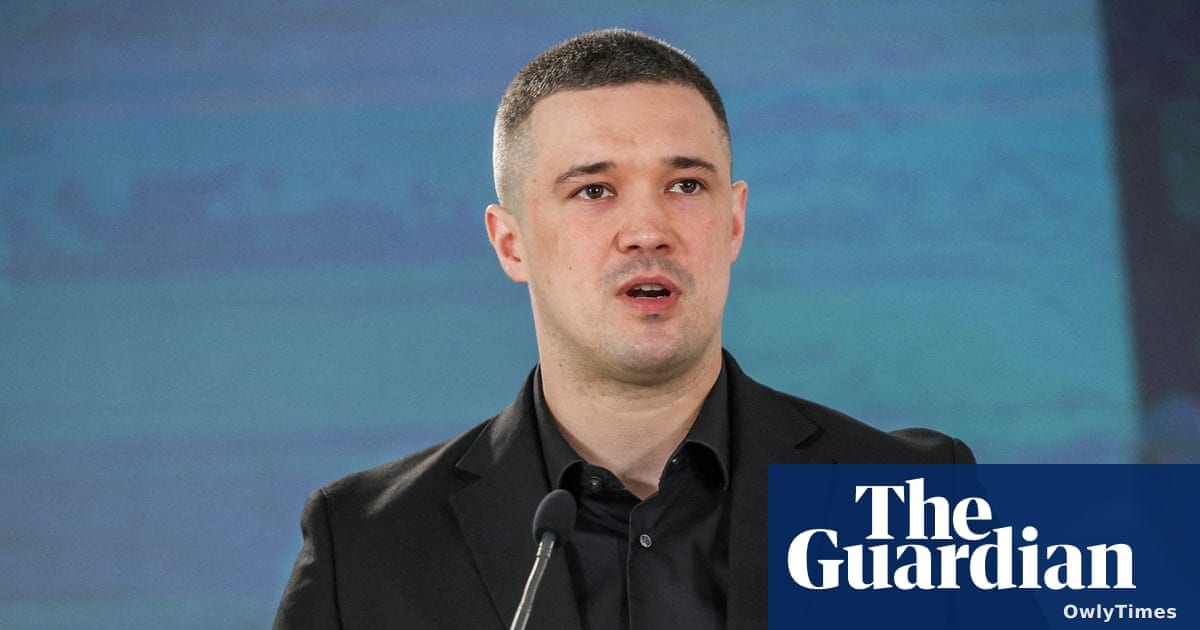

The strategic calculus behind Volodymyr Zelenskyy’s latest government overhaul centers on a pivot toward energy security and centralized control, signaling a shift in wartime priorities as Ukraine prepares for another grueling winter. By removing Prime Minister Yulia Svyrydenko and replacing the widely popular Defence Minister Mykhailo Fedorov, Zelenskyy is betting that a technocratic shift toward energy management—personified by his nominee for prime minister, Sergii Koretskyi—will outweigh the political capital lost by purging high-performing cabinet members.
This reshuffle creates a clear divide in stakeholders: the executive branch gains a cabinet aligned with a singular, winter-focused energy strategy, while the Ukrainian public and international partners lose a defense official credited with modernizing procurement and accelerating drone warfare. According to The Guardian, Fedorov’s six-month tenure saw the state budget save "billions of dollars" through revised procurement requirements. Conversely, Al Jazeera reports that Zelenskyy defended the move as a necessary component of a new "political strategy," prioritizing the local production of Patriot air defense systems and deepened economic ties with the Gulf region.
The transition process reflects a highly consolidated power dynamic. CBS News confirms that Svyrydenko resigned on Sunday, July 12, following the president's announcement of a government-wide reset. While CBS News notes this is the fourth major reorganization since the 2022 invasion, Al Jazeera characterizes the current climate as the country’s "second cabinet reshuffle in a year." The speed of the turnover has drawn sharp criticism from observers like Artem Bronzhukov, deputy director of the Politika thinktank, who told The Guardian that the rapid replacement of officials during an active war is "abnormal."
The move to replace Fedorov has sparked significant internal friction. Both The Guardian and Al Jazeera report that Fedorov’s departure coincides with rumors of a feud with commander-in-chief Col Gen Oleksandr Syrskyi. Supporters, including volunteer Maria Berlinska, have decried the decision as a potential catastrophe for the war effort. While Al Jazeera reports that Interior Minister Ihor Klymenko is slated to take over the defense portfolio, The Guardian highlights that the opposition has already begun questioning the wisdom of benching the administration's most effective reformers.
The political chess move to watch next is the parliamentary vote for the new prime minister. With Zelenskyy’s party holding a parliamentary majority, the confirmation of Koretskyi, the current head of the state energy company Naftogaz, is expected to proceed quickly. According to Al Jazeera, this vote is scheduled for Thursday, July 16, and will serve as the final indicator of whether the president can maintain legislative unity while navigating the fallout from his controversial defense appointments.