
Beyond the Aurora: Why Mapping Solar Wind Interactions Matters Now
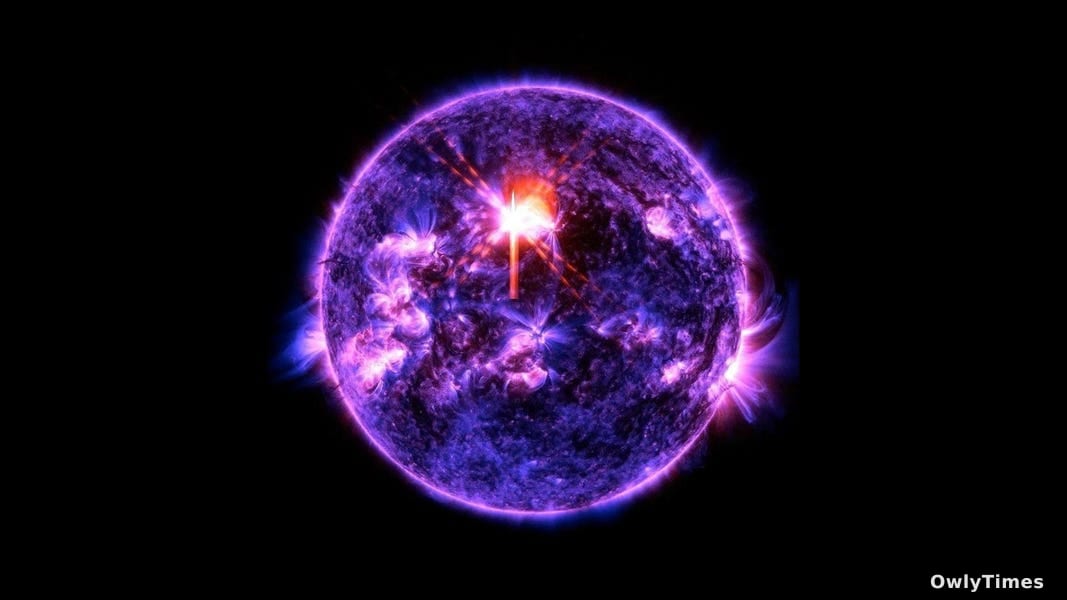
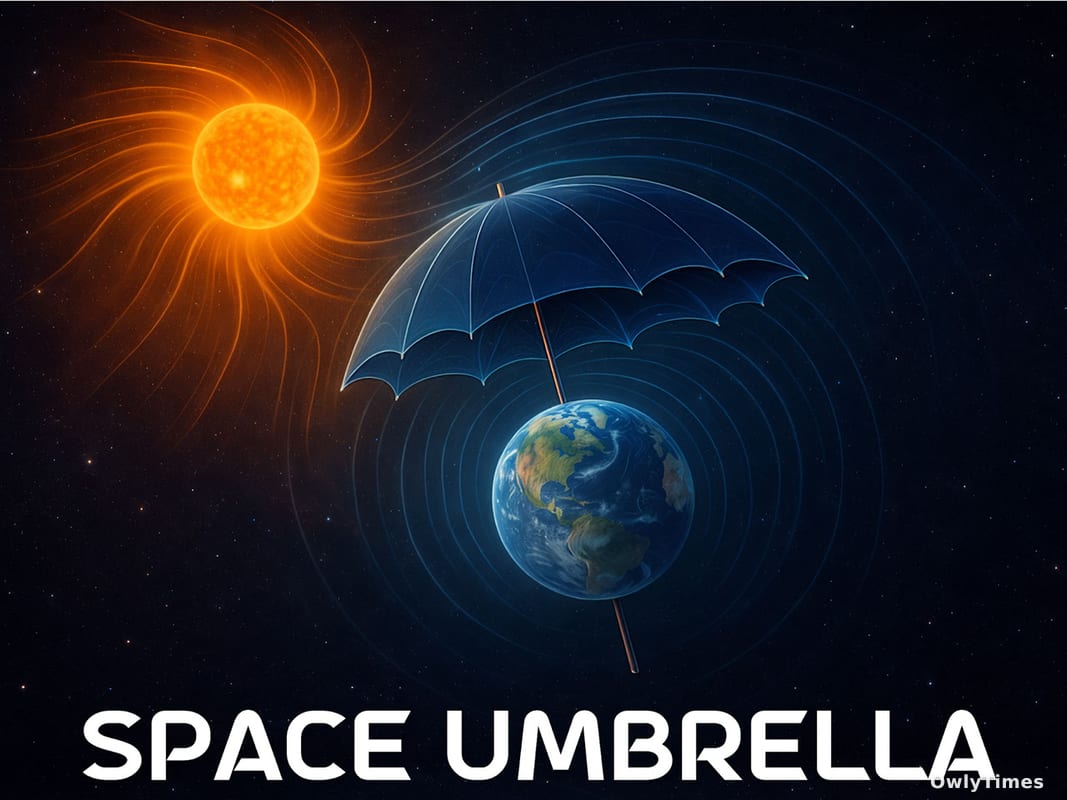
For decades, the shimmering curtains of the aurora borealis and australis have captivated observers, often framed as a beautiful, harmless consequence of solar activity. But the spectacle is a visible manifestation of a complex and potentially disruptive interplay between our Sun and Earth, and a new NASA citizen science project, Space Umbrella, is leveraging public participation to refine our understanding of these interactions at a critical moment. The project isn’t simply about admiring the lights; it’s about bolstering our ability to predict and mitigate the effects of solar storms on increasingly vulnerable technological infrastructure. This isn’t a new concern – scientists have long known about the connection – but the accelerating expansion of satellite-based services and the growing reliance on precise timing signals demand a more granular understanding than ever before.
The Magnetosphere as a Dynamic Shield
The Sun constantly emits a stream of charged particles known as the solar wind. This wind isn’t a gentle breeze; it’s a turbulent flow that slams into Earth’s magnetic field, the magnetosphere. This magnetosphere acts as a protective bubble, deflecting most of the solar wind, but it’s not an impenetrable barrier. The interaction is dynamic, with the magnetic field lines of the Sun and Earth occasionally connecting and then violently disconnecting, a process called magnetic reconnection. This reconnection releases enormous amounts of energy, fueling auroras but also potentially disrupting technologies. NASA’s Magnetosphere Multiscale (MMS) mission, launched in 2015, was specifically designed to study this reconnection process, and has been diligently collecting data ever since. The sheer volume of this data, however, presents a challenge – one that Space Umbrella aims to address through crowdsourced analysis.
See the original science.nasa.gov story for the full account.
What the Project Actually Asks, and What It Doesn’t
Headlines often proclaim impending doom from solar flares, but the reality is far more nuanced. Space Umbrella isn’t about predicting when a solar storm will hit, but rather about identifying where and how strongly the Earth’s magnetosphere is interacting with the solar wind during these events. Participants will analyze data from the MMS spacecraft to pinpoint moments when the spacecraft is within Earth’s magnetic field and when the magnetosphere is actively interacting with solar particles. This isn’t a matter of simply identifying pretty pictures; it requires discerning subtle patterns in complex datasets. The project’s tutorial is designed to equip volunteers with the necessary skills, emphasizing the distinction between the spacecraft being in the magnetosphere versus observing an interaction with the solar wind. This distinction is crucial because not all interactions are equally impactful. A strong interaction, for example, is more likely to trigger geomagnetic disturbances.
Limitations to Consider: Data Interpretation and Systemic Bias
While citizen science projects like Space Umbrella offer invaluable contributions, it’s important to acknowledge their limitations. The accuracy of the data analysis relies on the diligence and consistency of the volunteers. NASA is implementing quality control measures, but inherent variability in human interpretation is unavoidable. Furthermore, participation may not be evenly distributed across demographics, potentially introducing a systemic bias into the dataset. Individuals with a background in STEM fields, for instance, might be more likely to participate and potentially more adept at identifying subtle patterns. It’s also worth noting that the MMS mission, while groundbreaking, only samples a limited region of space. Extrapolating findings from these localized measurements to the entire magnetosphere requires careful modeling and validation.
The Future of Space Weather Forecasting
The data collected through Space Umbrella will be used to refine models of the magnetosphere and improve our ability to forecast space weather events. This isn’t just about protecting satellites; disruptions to the ionosphere, a layer of Earth’s atmosphere, can degrade GPS accuracy, impacting everything from aviation to precision agriculture. Moreover, astronauts on future missions to the Moon and Mars will be particularly vulnerable to radiation exposure during solar storms. Understanding the dynamics of magnetic reconnection is therefore paramount to ensuring their safety. The next step for researchers will be to integrate the Space Umbrella data with existing models and explore machine learning algorithms to automate the identification of key interaction events. The critical question now is: can crowdsourced data analysis significantly improve the lead time and accuracy of space weather forecasts, and will that improvement be sufficient to protect our increasingly interconnected world?