
Beyond the Science Fair: Bridging Aspiration and Opportunity in STEM
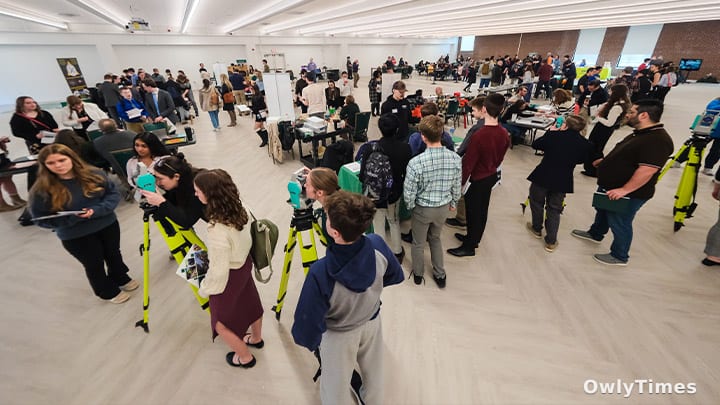
The narrative around the STEM skills gap often focuses on national statistics and future workforce needs. But what truly moves the needle isn’t abstract projections, it’s concrete exposure – the moment a high school student realizes a career in science isn’t just lab coats and equations, but a pathway shaped by their own interests. That’s precisely the opportunity Slippery Rock University (SRU) aimed to provide on February 24, 2026, hosting nearly 300 students at the Pennsylvania Junior Academy of Science (PJAS) STEM Career Expo. While many reports detail the need for more STEM professionals, this event highlights a less-discussed element: the critical role of localized, accessible career exploration in fostering that pipeline. The expo wasn’t about predicting future shortages; it was about directly connecting potential with possibility, and understanding its methodology – who attended, who presented, and what interactions occurred – reveals a more nuanced picture of STEM outreach than simple attendance numbers suggest.
This piece references the [news.sru.edu](https://news.sru.edu/sru-hosts-high-school-science-competition-and-career-fair/) report.
A Targeted Approach to STEM Engagement
The PJAS STEM Career Expo wasn’t a general college fair. It specifically targeted students already demonstrating an interest in science through their participation in PJAS, a statewide academic competition. This is a crucial distinction. Rather than attempting to broadly “inspire” students with a vague notion of STEM, the expo engaged a self-selected group already motivated to pursue scientific inquiry. SRU faculty, current students, and industry partners participated, offering a diverse range of perspectives. This approach, while smaller in scale than a mass recruitment event, allows for more meaningful interactions. Attendees weren’t simply receiving information about careers; they were engaging in conversations with people in those careers, asking specific questions about their educational paths and daily work. The university’s commitment, evidenced by utilizing the Campus Success Center and dedicating faculty time, signals a strategic investment in regional STEM development. It’s a model that prioritizes depth over breadth, focusing on nurturing existing potential rather than sparking interest from scratch.
The Value of Peer-to-Peer Mentorship
A particularly noteworthy aspect of the expo was the inclusion of current SRU students. Often, outreach programs rely heavily on faculty or industry professionals as presenters. While valuable, these voices can sometimes feel distant or unattainable to high school students. The presence of undergraduates – students recently navigating the same academic challenges and career decisions – offers a relatable point of connection. Jenna Kriley’s story, highlighted in a related article, exemplifies this. Her success, built on undergraduate opportunities, serves as a tangible example for prospective students. This peer-to-peer mentorship isn’t accidental; it’s a deliberate strategy to demonstrate the accessibility of STEM careers. It subtly communicates that success in these fields isn’t reserved for “geniuses,” but is achievable through dedication and engagement with available resources.
Beyond the Expo: Addressing Systemic Barriers
While the expo represents a positive step, it’s essential to acknowledge its limitations. The event drew students already involved in PJAS, raising questions about equitable access. PJAS participation itself may be influenced by factors like school funding, teacher support, and parental involvement. Students from under-resourced schools or those lacking strong science programs may be less likely to participate in PJAS, and therefore less likely to benefit from events like this expo. Furthermore, the focus on careers presented at the expo – largely those represented by SRU’s academic departments – may not encompass the full spectrum of STEM fields. The event’s success shouldn’t overshadow the systemic barriers that prevent many students from even considering STEM careers in the first place. Nina, a graduate assistant with SRU’s University Marketing and Communication Office, and a master’s student herself, represents the university’s internal commitment to fostering these connections, but broader institutional and societal changes are needed to truly level the playing field.
Looking Ahead: Tracking Long-Term Impact
The immediate impact of the expo – the number of students attending, the positive feedback received – is valuable, but the true measure of its success will be its long-term effects. What percentage of attendees will choose to pursue STEM degrees? How will their career paths unfold? SRU should consider implementing a longitudinal study to track the progress of expo participants, gathering data on their college enrollment, major selection, and eventual career outcomes. This data would not only demonstrate the return on investment for the expo but also inform future outreach efforts. More importantly, it would help identify areas where additional support is needed to ensure that all students, regardless of their background, have the opportunity to thrive in STEM. The question now isn’t simply whether events like this are beneficial, but how to optimize them to create a truly inclusive and effective STEM pipeline.





