
Beyond “Shared Decision-Making”: The Legal Challenge to Evolving Vaccine Guidance
The immediate story is a lawsuit – a coalition of over a dozen states, led by Arizona Attorney General Kris Mayes, are taking the Trump administration to court over recent changes to the Centers for Disease Control and Prevention’s (CDC) childhood immunization schedule. But the deeper question this legal action raises isn’t simply about vaccines; it’s about the shifting boundaries of federal public health authority and the implications of increasingly politicized scientific recommendations. While headlines focus on the rollback of recommendations for vaccines against diseases like flu, rotavirus, and RSV, the core of the dispute lies in how those recommendations were altered and what that signals about the future of preventative medicine in the United States. This isn’t a debate about whether or not to vaccinate, but about who decides which populations are considered “high risk” and whether that decision-making process is driven by scientific consensus or political ideology.
Based on the original CNN report.
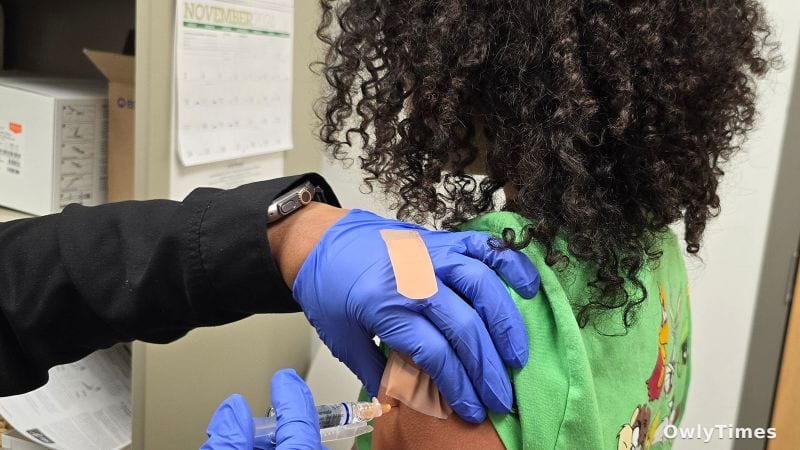
The CDC’s revised guidance, announced last month, moves away from universal recommendations for several childhood vaccines, instead advocating for a “shared decision-making” model. This means vaccines are now primarily suggested for specific groups deemed at higher risk, or when a physician individually recommends them. The states challenging this policy argue this isn’t a nuanced shift towards personalized medicine, but a dangerous dismantling of established public health protocols. They contend that universal recommendations are crucial for maintaining herd immunity and preventing outbreaks, and that the new approach will inevitably lead to decreased vaccination rates and increased disease incidence. Attorney General Mayes succinctly framed the issue at a press conference: “The health and safety of children across the country is not a political issue… It is not a culture war talking point.” The lawsuit asserts that this change puts children’s lives at risk and will ultimately force states to shoulder increased financial burdens to contain preventable outbreaks.
This legal challenge isn’t emerging in a vacuum. It’s the latest escalation in a sustained conflict between Democratic-led states and the Trump administration regarding federal public health policy, spearheaded by Health Secretary Robert F. Kennedy Jr. The states’ complaint specifically points to the ousting of every member of the CDC’s vaccine advisory committee last year, replaced with appointees chosen by Kennedy. This move, the lawsuit alleges, was unlawful and demonstrates a deliberate effort to undermine scientific expertise in favor of a predetermined agenda. Beyond the vaccine schedule, the administration has also been accused of cutting funding for scientific research, laying off public health workers, and altering guidance on topics like fluoride – all actions that contribute to a pattern of diminishing the role of science in public health decision-making. It’s important to note that states, historically, hold the authority to mandate vaccinations for school attendance; the CDC’s recommendations have traditionally influenced those state regulations, providing a nationally consistent baseline.
However, the lawsuit doesn’t necessarily hinge on proving the new recommendations are wrong, but rather on demonstrating that the process by which they were implemented was flawed and exceeded the administration’s legal authority. The states are arguing that Kennedy’s actions circumvented established protocols for scientific review and disregarded the consensus of medical experts. This is a critical distinction. While debates about vaccine efficacy and safety are ongoing, the integrity of the scientific process itself is now under legal scrutiny. The CDC and Department of Health and Human Services have, as of this writing, not responded to requests for comment on the lawsuit, further fueling concerns about transparency and accountability. The governors of California, Washington, and Oregon already preemptively formed an alliance to establish their own vaccine recommendations, signaling a growing trend of states taking independent action in the face of perceived federal inaction or interference.
Limitations to Consider
It’s crucial to acknowledge that the long-term impact of the revised CDC guidance remains uncertain. While the states fear decreased vaccination rates, it’s possible that “shared decision-making” could, in some cases, lead to more informed and engaged parents. However, this relies on physicians having the time and resources to engage in thorough, evidence-based conversations with families – a scenario that isn’t always realistic in a strained healthcare system. Furthermore, the lawsuit’s success isn’t guaranteed. The courts will need to weigh the states’ arguments against the administration’s claims of executive authority and the right to adjust public health policy. The legal proceedings could be protracted, leaving the revised guidance in place for an extended period.
Looking ahead, the key question isn’t just whether the states will win their lawsuit, but what precedent this case will set for the future of federal public health authority. Will the courts reaffirm the CDC’s role as a leading scientific authority, or will they allow for greater political influence over public health recommendations? We should also be watching for changes in vaccination rates in states that adopt the new CDC guidance versus those that maintain their existing requirements. Specifically, tracking rates of diseases like measles, mumps, and rubella – which are highly contagious and preventable through vaccination – will provide crucial data on the real-world consequences of this policy shift. The outcome of this legal battle, and the subsequent public health trends, will shape the landscape of preventative medicine for years to come.