
Is your new gaming console about to become a luxury item? That’s the question Silicon Valley isn’t answering directly, but the recent scramble for RAM chips makes painfully clear. We’re not talking about a minor inconvenience for tech enthusiasts; we’re staring down the barrel of a hardware slowdown that will hit everyone from casual Switch players to dedicated PC gamers, and the implications extend far beyond missed release dates. The real story here isn't about delayed gratification for early adopters – it’s about the fragility of the supply chains underpinning the entire consumer tech experience, and how quickly “affordable fun” can become a premium proposition.
Valve’s Warning Shots and the Ripple Effect
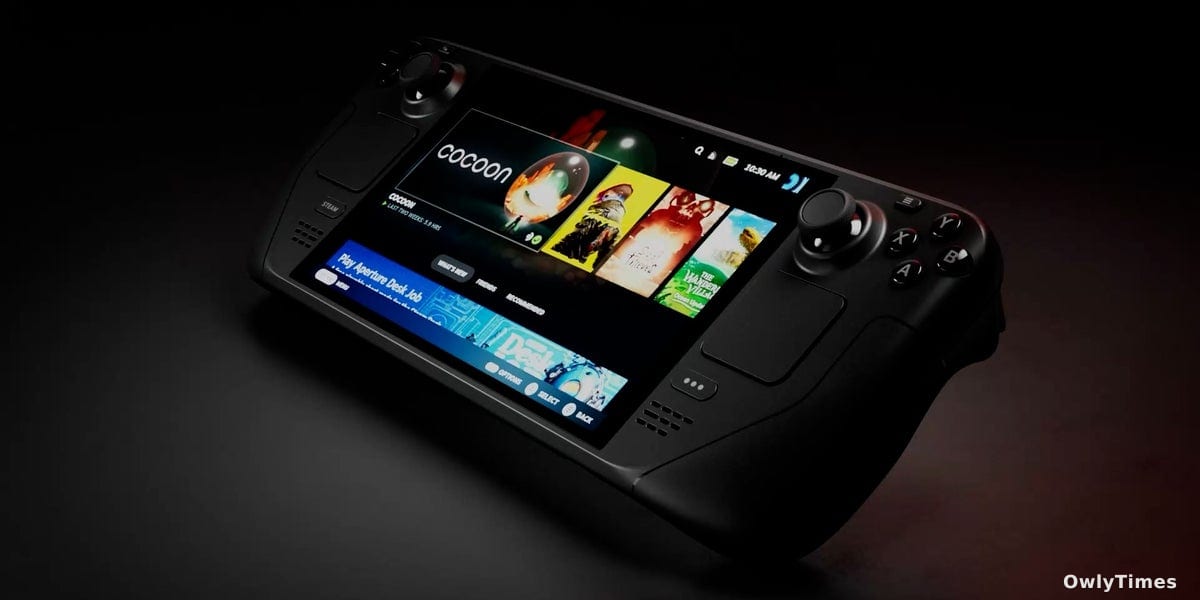
Valve was among the first to publicly acknowledge the crunch, adding a disclaimer to the Steam Deck OLED store page about “intermittent” availability in the US and Japan. This isn’t a case of manufacturing hiccups; it’s a direct consequence of the global RAM shortage. While the company still intends to launch the Steam Machine, Steam Frame VR headset, and Steam controller in early 2026, they’ve tempered expectations, citing concerns about both availability and pricing. That last part is crucial. We’ve become accustomed to incremental price increases in tech, justified by “innovation,” but this is different. This is a fundamental cost increase that companies will be forced to pass on, or absorb by sacrificing profit margins.
This article draws on reporting from gamesindustry.biz.
The impact isn’t limited to PC gaming. Bloomberg’s reporting that Sony is considering pushing the PlayStation 6 release to 2028 or 2029 isn’t just about perfecting the hardware. It’s about waiting for the memory market to stabilize, or at least become predictable. A console launch with artificially inflated prices, or worse, chronic stock issues, is a PR disaster waiting to happen. And Nintendo, facing a similar predicament with the upcoming Switch 2, is already bracing for a potential price hike. Shuntaro Furukawa, Nintendo’s president, acknowledged the pressure on profitability, stating that pricing decisions will be “determined comprehensively,” factoring in everything from sales trends to the overall market. Translation: we’re likely to pay more for the next Switch, and Nintendo is trying to soften the blow with talk of “installed base” and “market environment.”
Beyond Gaming: The Broader Memory Market Squeeze
This isn’t a gaming-specific crisis. RAM and storage chips are the building blocks of everything digital. Smartphones, laptops, cars, even washing machines are increasingly reliant on these components. The current shortage is a confluence of factors: increased demand from the AI sector (those data centers need a lot of memory), geopolitical tensions impacting manufacturing in Taiwan, and a general lack of investment in expanding production capacity during the pandemic. While the chip shortage of 2020-2022 focused on processors, this round targets memory – and it’s arguably more insidious. Processors can be substituted, optimized, or workarounds found. Memory? Not so much. You need the capacity, and you need it at a reasonable price.
The numbers tell a stark story. While specific price increases vary depending on the type of memory, industry analysts at TrendForce reported significant price hikes in the first quarter of 2024, with some DRAM prices increasing by over 25% compared to the previous quarter. This isn’t a blip; the trend is expected to continue throughout the year. For context, DRAM prices remained relatively flat for the past two years, lulling consumers into a false sense of stability. Now, that stability is shattered.
The Illusion of Choice and the Cost of Convenience
What does this mean for the average consumer? It means fewer choices, higher prices, and a growing sense of powerlessness. The carefully curated illusion of competition in the tech market – the idea that you can always find a better deal or a comparable product – starts to crumble when the fundamental components are scarce. Companies will prioritize their flagship products, leaving budget-friendly options to wither. “Value” brands will disappear, and the gap between premium and affordable will widen.
We’ve been conditioned to expect constant upgrades, seamless experiences, and ever-decreasing prices. This shortage is a brutal reminder that those expectations are built on a precarious foundation. The convenience of on-demand entertainment, the affordability of connected devices, the very fabric of our digital lives – all depend on a complex, global supply chain that is demonstrably vulnerable.
Looking ahead, expect to see a renewed focus on “right to repair” legislation, as consumers demand more control over their devices and the ability to extend their lifespan. But more importantly, watch for a shift in the conversation around tech pricing. The days of assuming that “cheaper is always better” are over. The real question isn’t just what you’re buying, but how it’s made, and what the true cost of that convenience really is. By late 2025, we’ll see a clear bifurcation in the market: a premium tier of devices with guaranteed supply, and a budget tier plagued by shortages and inflated prices. The choice, increasingly, won’t be between brands, but between access and affordability.