
Beyond Symptom Management: A Surgeon General Nominee’s Focus on Preventative Health
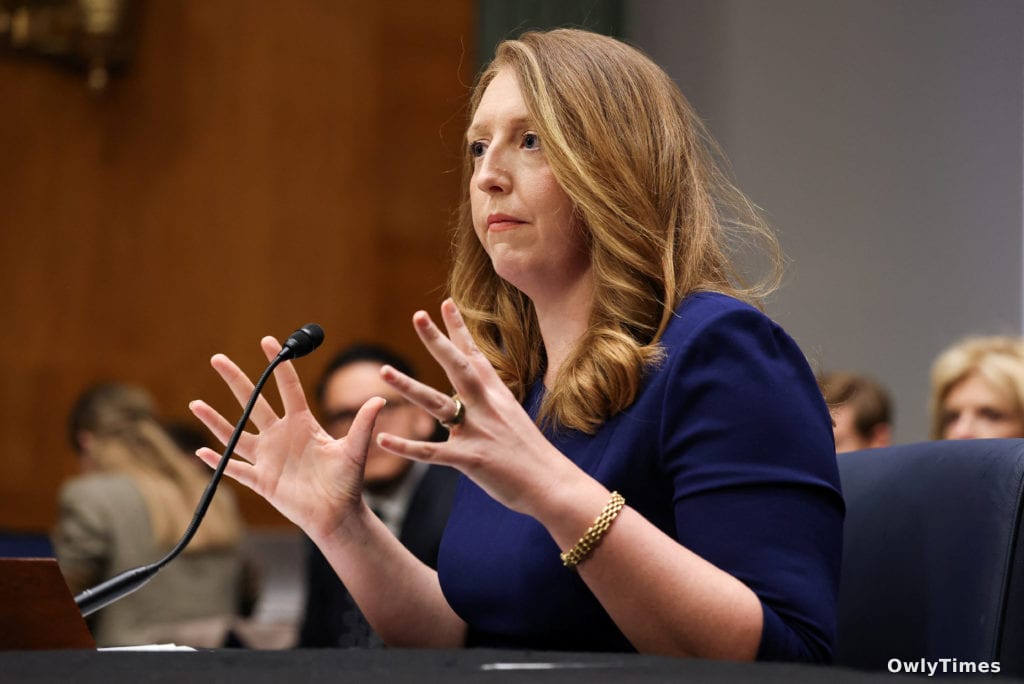
The confirmation hearing for Casey Means, nominated by former President Donald Trump to be the next Surgeon General of the United States, wasn’t dominated by questions about public health emergencies or pandemic preparedness. Instead, much of the discussion centered on a fundamental critique of how we approach health itself. While headlines have focused on her cautious stance on vaccine advocacy, the more significant story is Means’ explicit call for a shift away from treating disease after it manifests, and towards proactively addressing its underlying causes – a vision that aligns closely with the public health philosophy championed by Health and Human Services Secretary Robert F. Kennedy Jr. This isn’t simply a difference in medical opinion; it’s a challenge to the prevailing economic and logistical structures of American healthcare, and a signal of potential policy changes if confirmed.
Original reporting: PBS.
Means articulated this concern during her Wednesday appearance before the Senate Health, Education, Labor & Pensions Committee, describing the current system as “whack-a-mole medicine.” This isn’t a novel analogy – physicians have long lamented the cycle of managing symptoms without resolving root issues – but it’s unusual to hear it framed so directly by a potential public health leader. The implication is that the billions spent annually on pharmaceuticals and reactive care are, at best, a partial solution. Means specifically highlighted the need to “get more whole, healthy foods on American plates,” suggesting a focus on nutritional interventions as a preventative measure. This emphasis on diet isn’t fringe; the Centers for Disease Control and Prevention (CDC) estimates that chronic diseases – heart disease, cancer, diabetes – account for 90% of the nation’s $4.1 trillion in annual healthcare costs, and many are demonstrably linked to dietary patterns. However, translating that knowledge into widespread systemic change has proven remarkably difficult.
Navigating the Vaccine Conversation: A Delicate Balance
The most contentious portion of the hearing, predictably, revolved around vaccines. Means carefully navigated questions regarding her personal recommendations, stating, “I believe they’re an important part of public health,” while simultaneously emphasizing the importance of individualized patient-physician conversations. This response drew scrutiny from several senators, who pressed her to commit to actively encouraging vaccination against diseases like influenza and measles. Her reluctance to offer a definitive endorsement reflects a broader tension within the “wellness” community – a space where Means has built a significant following – between acknowledging the benefits of vaccination and advocating for greater autonomy in healthcare decisions. It’s a position that mirrors, to some extent, Robert F. Kennedy Jr.’s own complex relationship with vaccine science, and raises questions about the potential influence of his views on public health messaging should both be confirmed in their roles. To put the stakes in perspective, national vaccination rates for measles, mumps, and rubella (MMR) among kindergarteners fell to 93% during the 2022-2023 school year, below the 95% threshold needed to maintain herd immunity and prevent outbreaks.
The “Make America Healthy Again” Framework
Means’ vision isn’t emerging in a vacuum. It’s deeply intertwined with Robert F. Kennedy Jr.’s “Make America Healthy Again” movement, which frames chronic disease as a systemic problem rooted in environmental toxins, processed foods, and a profit-driven healthcare system. This framework resonates with a growing segment of the population disillusioned with conventional medicine and seeking alternative approaches to wellness. While the movement’s emphasis on preventative care and addressing root causes is laudable, it also incorporates scientifically contested claims about vaccine safety and the efficacy of certain alternative therapies. The alignment between Means and Kennedy Jr. is evident in their shared focus on nutrition, lifestyle interventions, and a critique of pharmaceutical industry influence. However, it also raises concerns about the potential for policy decisions to be influenced by unsubstantiated claims or a selective interpretation of scientific evidence.
Limitations to Consider: Influence and Implementation
It’s crucial to acknowledge the limitations of drawing definitive conclusions from a single confirmation hearing. Means’ responses were necessarily cautious, designed to avoid alienating senators and preserve her nomination. Furthermore, the Surgeon General’s office, while influential, lacks direct regulatory authority over many of the factors driving chronic disease – food policy, pharmaceutical pricing, and healthcare access. Successfully implementing a preventative health agenda would require navigating complex political and economic obstacles, and securing buy-in from a diverse range of stakeholders. The extent to which Means could overcome these challenges, even if confirmed, remains uncertain. It’s also important to note that the “wellness” industry, while growing, remains largely unregulated, and the quality of information and services offered can vary widely.
What’s Next: Tracking the Focus on Preventative Measures
The next steps will be critical. Should Casey Means be confirmed, the focus will shift from rhetoric to concrete policy proposals. Will the Surgeon General’s office prioritize initiatives aimed at improving access to healthy foods, promoting nutritional education, or addressing environmental factors contributing to chronic disease? More importantly, will these initiatives be grounded in rigorous scientific evidence, or will they be influenced by the more controversial aspects of the “Make America Healthy Again” movement? Beyond the immediate outcome of the confirmation process, this moment signals a potential shift in the national conversation about health. Watch for increased scrutiny of the role of lifestyle factors in disease prevention, and a growing demand for healthcare systems to move beyond simply treating symptoms and address the underlying causes of illness. The question isn’t just whether Means will be confirmed, but whether her vision of a preventative, root-cause focused healthcare system can gain traction in a landscape dominated by reactive, symptom-based care.